
 EN
EN


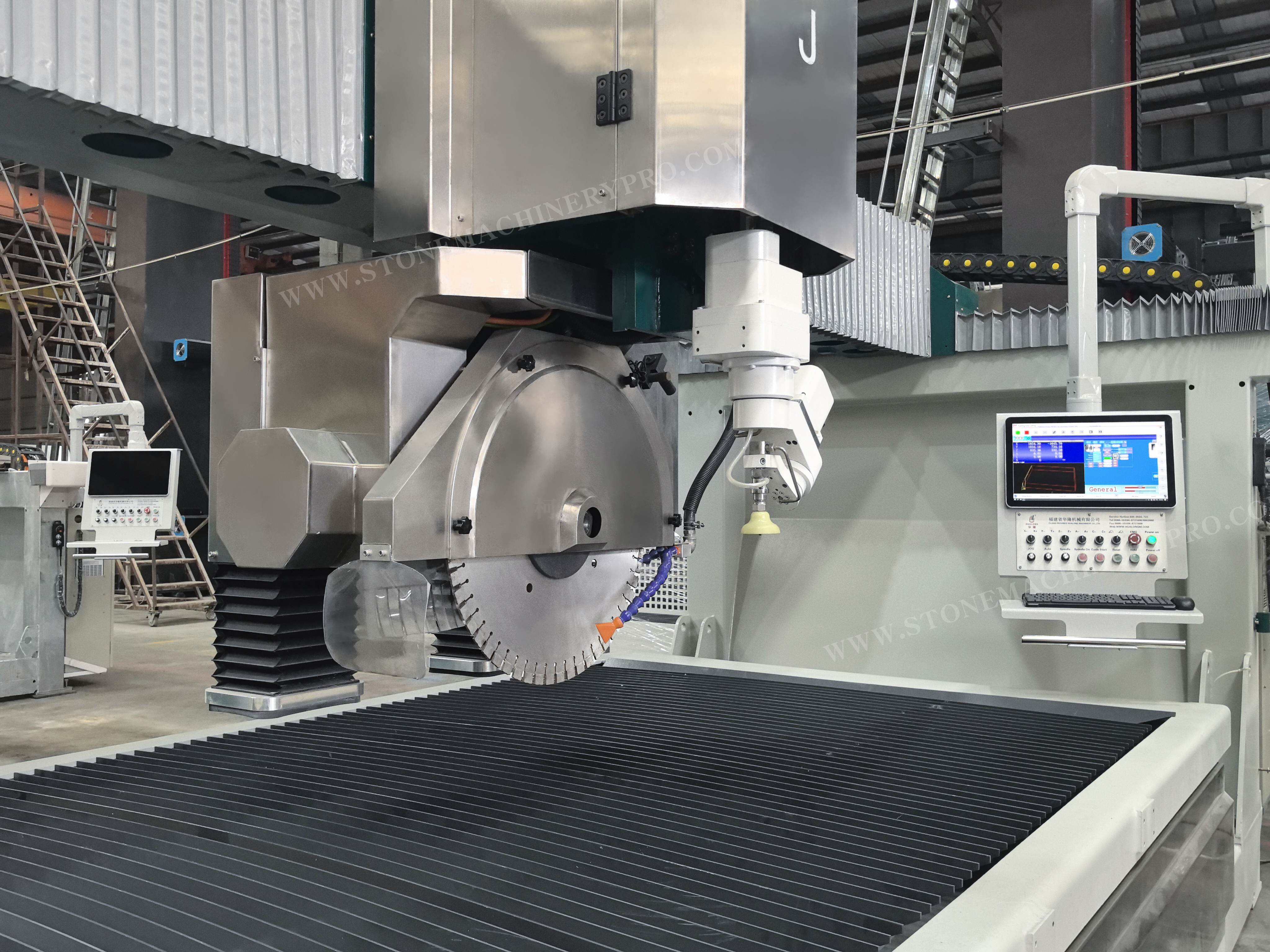
az elmúlt 20 évben a világ kőfeldolgozó ipara szinte felismerhetetlenné vált. A megszokott, hagyományos kézi vágási és polírozási módszerek lassan helyüket adják az automatizált, nagy pontosságú technológiának. A kőfeldolgozó CNC gép azok közé a forradalmi eszközök közé tartozik, amelyek alapvetően megváltoztatták a kőfeldolgozás, a tervezés és a kőanyagok telepítésének módját ebben a szakmában.
A CNC technológia kulcsszerepet játszott olyan, széles körben használt termékek gyártásában, mint a konyhapultok és az építészeti homlokzatok, miközben a szobrok és a díszítő kőalkotások alkotják ennek a széles skálának a másik végét.
Azonban továbbra is sokan lépnek be a szakmába, és egy nagyon alapvető kérdést tesznek fel:
Valójában mire képes egy kő CNC gép?
Ebben a cikkben bemutatjuk a kő CNC gépek tényleges képességeit, azokat a feladatokat, amelyeket kezelni tudnak, azt, ahogyan olyan vállalatok – például a Jingyang – újítanak, valamint azt, amire a vásárlóknak figyelniük kell egy ilyen gép megvásárlása előtt.
A kőfeldolgozás rövid története
A kő, különösen a márvány, a gránit és a mészkő, az ókori emberek által leggyakrabban használt anyagok közé tartozott templomok, emlékművek és akár egész városok építéséhez. Bár a hagyományos kőfeldolgozási módszerek ma is ugyanolyan ősiak, számos kihívás továbbra is fennáll:
- nehéz fizikai munka
- korlátozott pontosság
- nagy anyagveszteség
- lassú termelési sebesség
- bonyolult formák gyártásának nehézsége
Így a kőfeldolgozás főként kézi fűrészekre, csiszolókra és sablonokra támaszkodott. Egy jártas kézműves által készített munkák esetében nehéz volt nagyobb projektek során is azonos minőséget biztosítani.
A CNC-gépek hirtelen megjelenése nagy hatással volt a kővágó és kőfaragó iparágban.
A kőfeldolgozó CNC-gépek magyarázata
A kőfeldolgozó CNC-gépek számítógéppel kódolt programokra támaszkodnak, nem pedig kézi munkára. Ezek pontosan szabályozzák a legtöbb műveletet, például a vágást, fúrást, gravírozást, marást és formázást.
Ahelyett, hogy egy ember fizikailag irányítaná a vágószerszámot minden irányban, a gép egyszerűen pontosan követi a feltöltött digitális mintát.
Egy kőfeldolgozó CNC-gép könnyedén dolgozhat az alábbi anyagokkal:
- Gránit
- Márvány
- Gránit
- Mesterséges kő
- Kőkén
- Homokkő
- Kerámia lapok
A CAD- vagy CAM-tervek gépi mozgásokká alakításával a kőfeldolgozók minimális emberi erőfeszítéssel is könnyedén elkészíthetnek rendkívül részletes formákat és díszítéseket.
Mire képesek a kőfeldolgozó CNC-gépek
Számos olyan személyt találtunk, aki tévesen azt gondolja, hogy a CNC-gépek kizárólag lemezek vágására képesek. Valójában ezek a gépek számos más, fejlettebb gyártási folyamatot is elvégezhetnek.
1. Pontos kővágás
A precíziós vágás a leggyakrabban alkalmazott módszer.
CNC-hídmaragok és vízsugaras vágógépek megteszik a beruházását értékessé, mivel a kőlapokat pontosan az Ön által megadott méretek szerint vágják le a következőkre:
- Konyhai munkalapok
- Fürdőszobai mosdók
- Padlólapok
- Falpanellek
- Lépcsőfokok
Ellentétben a kézi vágással, a CNC-gépek akár egy milliméternél is kisebb tűrést is képesek elérni, így minden darab esetében ugyanolyan minőséget garantálnak.
Ez a fajta pontosság ma már elengedhetetlen a építési projektekben, mivel még a legkisebb eltérések is komoly problémákat okozhatnak a felszerelés során.
2. Összetett formák gyártása
A 3D-térmodellező szoftverrel készített CAD-rajzok lehetővé teszik az építészek számára, hogy kreatívan gondolkodjanak.
A CNC-gépek lehetővé teszik a gyártók számára, hogy elkészítsék:
- Görbült munkalapokat
- Kör alakú oszlopokat
- Szoborszerű kőpanelek
- Egyedi bútorok
A többtengelyes gépek képesek a kő anyagot különböző szögekből megmunkálni, így olyan formákat eredményeznek, amelyeket hagyományos eszközökkel nagyon nehéz vagy lehetetlen előállítani.
Rugalmas működésüknek köszönhetően a tervezők többé nem kényszerülnek korlátozni alkotóerejüket.
3. Kőfaragás és díszítő faragás
A CNC-technológia teljesen új látókört nyitott meg a kőanyagon végzett gravírozás és faragás területén.
Ilyen alkalmazások például:
- Emlékkövek
- Díszes falpanellek
- Művészi kőszobrok
- Egyedi logók és márkanevek
- Szálloda- és kereskedelmi táblák
A számítógéppel vezérelt gravírozás híres egyenletes mélységéről, kiváló vonalminőségéről és tökéletes távolságtartásáról, amelyek mindegyike professzionálisabb megjelenést kölcsönöz a végső termékeknek.
4. Mosogató- és csaptelep-kivágások
A munkalap-gyártók szempontjából a CNC-gép üzemeltetése felszabadítja a kezüket, mivel automatizálja a mosogatókádak, csaptelepek és egyéb készülékek kivágását.
Gyakran végzett műveletek:
- Mosogatókivágások
- Csaptelep-lyukak
- Főzőlapnyílások
- Lefolyódeszka-barázdák
Általánosságban az automatizálás csökkenti az emberi hibák kockázatát, valamint hatékonyan megóvja a drága kőlapokat a sérülésektől.
5. Élszegélyezés és csiszolás előkészítése
Díszítő profilok, amelyek nagyon jól néznek ki, kőélek formázásával hozhatók létre, például:
- Bullnose
- Ogee
- Ferde él
- Fél bullnose
- Vízesés hatású élek
Először a CNC-gép durván kialakítja ezeket az élszegély-profilokat, majd a csiszolást egy külön gépen végzik.
Ez növeli az egész kőfeldolgozási folyamat reprodukálhatóságát, és gyorsítja azt.
A kőfeldolgozás legnagyobb nehézségei
Mint ma is, sok kőműves műhely gyakran szembesül jelentős kihívásokkal munkája során.
A kőiparral kapcsolatosan gyakran jelentett problémák:
1. Munkaerőhiány
A kőfeldolgozás és -vágás tapasztalatot és szakértelmet igényel. Sajnálatos módon manapság nehéz szakmunkásokat találni.
Ezen felül a kézi gyártás további hátránya, hogy növeli a munkavállalók fáradtságának vagy akár sérülésüknek a kockázatát.
2. Anyagpazarlás
A kőlapok nem olcsók. Ha véletlenül helytelenül vágja le a követ, egy ilyen hiba több száz vagy akár több ezer dollárba is kerülhet.
3. Gyártási torlódások
A kézzel végzett munkafolyamatok korlátozzák a gyártási kapacitást, ami lehetetlenné teheti egy vállalkozás számára, hogy bővítse termelését.
4. Inkonzisztens minőség
Az emberi tényező miatti hibákhoz vezethetnek egyedi vágások, helytelen méretek és alacsonyabb minőségű felületkezelés.
5. Összetett tervek kezelésének nehézsége
A mai építészeti alkotások egyre bonyolultabb kőelemeket igényelnek, és a kézi kőfeldolgozás nehezen tudja követni ezeket az elvárásokat.
Hogyan módosítja ezt a valóságot a Jingyang
Azok a gyártók, akik mély mérnöki ismeretekkel rendelkeznek, kulcsfontosságúak az iparág által napjainkban szembesített problémák megoldásában.
Egyik ilyen név a Jingyang, egy megbízható kőfeldolgozó gépgyártó vállalat, amely hosszú és jelentős történettel rendelkezik az iparágban.
A cég profilja honlapjukon https://www.stonemachinerypro.com/about-us
Az elmúlt években a Jingyang a megbízható és innovatív kőfeldolgozó gépek fejlesztésére összpontosított.
A Jingyang gyártási kapacitása kiterjedt, és a következőket foglalja magában:
- 35+ év ipari tapasztalat
- 50 000 m² gyártóüzem
- 260+ műszaki szakember
- Kifinomult R&D szekció
Mivel a Jingyang integrálja a kutatás-fejlesztést, a gyártást és a szervizszolgáltatást, teljes körű megoldásokat tud nyújtani a világ minden táján működő kőipari vállalkozásoknak.
Legmodernebb technológia és innovációk
A Jingyang jelentős összegeket fektet a kutatás-fejlesztésbe.
A Jingyang nemcsak több mint 40 szabadalmat birtokol kővágó gépek gyártásához, hanem együttműködik egyetemekkel és kutatóintézetekkel is a gépek minőségének és funkcióinak javítása érdekében.
Termékpalettája tartalmazza:
- CNC hídfűrészek
- CNC kőmegmunkáló központokat
- Többtengelyes vágógépeket
- Vízsugárral működő rendszereket
- Élfeldolgozó gépeket
Ezeket a gépeket nemcsak a felhasználók vágási pontosságra és termelékenységre vonatkozó igényeinek kielégítésére, hanem a karbantartási költségek csökkentésére és a gépek biztonsági funkcióinak javítására is létrehozták.
Jelenlét a globális piacon
Mivel a kőfeldolgozás világipar, a megbízható felszerelés-szolgáltatóknak képesnek kell lenniük arra, hogy ügyfeleiket világszerte kiszolgálják.
A Jingyang gépek egyes külföldi piacai és több mint 100 ország, amelyekbe eladták őket, között szerepelnek:
- Egyesült Államok
- Kanada
- Olaszország
- Németország
- Ausztrália
- Közép-Kelet régiói
A pótalkatrészek, a műszaki támogatás és a képzés segítségével fenntartható a cég hálózatának felhasználói bázisa.
Pontosan megmunkált valós termékek gyártása
A kőfeldolgozó CNC-gépek forradalmi változásokat idéztek elő számos iparágban.
Konyhai és fürdőszobai termékek gyártása
A kőfeldolgozó CNC-gépek piaca nagyon széles, amelyet elsősorban a munkalapok gyártása jellemez.
CNC szerszámok gyártása:
- Gránit konyhapultlapok
- Kvarc fürdőszobai mosdókonzolok
- Egyedi konyhai szigetlapok
- Beépített mosdók tervei
Az automatizálás nemcsak pontos méréseket eredményez, hanem csökkenti a felszerelés során fellépő problémák gyakoriságát is.
Építészeti Kő
A mai épületek gyakran kőanyagot használnak külső és belső tervezési célokra.
A CNC rendszerek alkalmazási területei:
- Épületek homlokzatai
- Oszlopszerkezetek
- Díszes falpanellek
- Lépcsők és korlátok
Nagyon pontos vágással nagy építészeti projektek megőrizhetik tökéletesen egymáshoz illő megjelenésüket.
Emlék- és emlékműipar
A CNC-technológiát használó gravírozógépek népszerűvé váltak azok körében, akik temetői és egyéb típusú emlékműveken is dolgoznak.
Ezekkel gyárthatók:
- Temetői sírkövek
- Vallási szobrok
- Történelmi emlékművek
A kőre digitálisan gravírozott feliratok biztosan jól olvasható betűket és részletgazdag művészi ábrákat eredményeznek.
Belső berendezés
Luxus szállodák, bevásárlóközpontok és irodahelyiségek mind különféle kődíszítési lehetőségeket alkalmaznak.
Példák erre:
- Művészi falpanelek
- Egyedi kőbútorok
- Szobrászati építészeti elemek
A CNC nélkül sok ilyen ötlet egyszerűen megvalósíthatatlan lenne.
A vásárlók hangja
A legtöbb CNC-felhasználó azt állítja, hogy munkájuk lényegesen gördülékenyebbé és gyorsabbá válik, miután megismerték és aktívan alkalmazni kezdték ezt a technológiát.
Példa – amerikai munkafelügyeleti műhely (pultfelületek)
Egy texasi pultfelület-gyártó cég így nyilatkozott:
- A termelés kétszeresére nőtt
- Az anyagveszteség 30%-kal csökkent
- A felszerelési hibák száma jelentősen csökkent
Ezen mennyiségi eredményeken túlmenően a tulajdonos így nyilatkozott:
„A CNC-gép két év alatt megtérült. Most gyorsabban hajtunk végre projekteket, és munkánk minősége sokkal egyenletesebb.”
Példa – Európai kőműves műhely
Egy olasz kőfeldolgozó vállalkozás, amely Jingyang-eszközöket használ, a következőket állította:
„CNC-megmunkáló központunk lehetővé teszi számunkra az építészeti kőelemek gyártását, amelyeket korábban lehetetlennek tartottak. Ennek köszönhetően új piacokat nyitottunk meg magunknak.”
Módok, amelyekkel a CNC-gépek növelik a nettó eredményt
A CNC-gépek nem csupán fejlett technológiát képviselnek, hanem számos lehetőséget kínálnak a kőipari vállalkozások számára a jövedelmezőségük javítására:
Növekedett termelési sebesség
Ezeknek a gépeknek a használata napi szinten több lapfelület feldolgozását eredményezi.
Az anyagveszteség csökkentésére
Pontos vágások és egyéb költséges hibák minimalizálása történik a precíziós vágással.
Csökkentett munkaadói költségek
Egy emberi munkavállaló irányíthat több gépet is.
További lehetőségek
Bonyolultabb és látványosabb projektek valósíthatók meg, és magasabb szintű ügyfelek szolgálhatók ki.
Kő-CNC gép kiválasztása
Mielőtt a vásárló CNC gépet vásárolna, számos szempontot érdemes figyelembe vennie.
A gép mérete
Nagyobb méretű gépek nagyobb lapok és magasabb termelési kapacitás kezelésére képesek.
Tengelykonfiguráció
a 3 tengelyes gépek egyszerű vágásra alkalmasak, míg az 5 tengelyes gépek bonyolult alakzatok kialakítását támogatják.
Szoftver kompatibilitás
Ezen felül CAD/CAM-kompatibilisnek kell lennie.
Utánvétes támogatás
A támogatás akkor tekinthető a legjobbnak, ha 24/7 rendelkezésre áll, beleértve a pótalkatrészeket és a képzést is.
A globális szervízhálózattal rendelkező gyártók nagyobb eséllyel válnak hosszú távú partnereivé.
Együttműködések és iparági kapcsolatok
Kőfeldolgozó gépgyártók általában együttműködnek a következőkkel:
- Építőipari cégek
- Kőbányákkal
- Belsőépítészeti irodákkal
- Építészeti stúdiókkal
- felszereléskereskedőként
Ezek az együttműködések segítenek biztosítani, hogy a gépek a termelési igényeknek megfelelően készüljenek.
A Jingyang például mérnöki szakértőkkel és egyetemekkel is együttműködik gépeinek fejlesztése érdekében.
CNC-kőtechnológia: Mit tartogat a jövő?
A kőiparban bekövetkező változások elkerülhetetlenek.
A jövőbeni trendek előrejelzése:
Okos Gyártás
Ez végül valósággá válik, amikor az AI-vel felszerelt gépek saját egészségügyi állapotukat figyelik, és a karbantartási tevékenységek ütemezését tervezik.
Robotikus automatizáció
A közeljövőben a nehéz lapok betöltését és kirakodását robotkarok végzik majd.
Tömeges gyártási sorok
A teljes gyártási folyamatok automatizálásra kerülnek.
Fenntartható feldolgozás
A vízzel vágó és energiatakarékos vágószerszámokat úgy használják, hogy a környezet megőrzésre kerüljön.
Azok a gyártók, akik innovációval alakítják át üzleti modelljüket, vezető szerepet fognak játszani a következő generációs kőfeldolgozásban.
Gyakran Ismételt Kérdések
1. Nehéz kezelni a kő CNC-gépeket?
A mai modellek beépített, rendkívül könnyen kezelhető szoftverrel érkeznek. Még a kezdő kezelők is gyakorlat után gond nélkül működtethetik őket.
2. Milyen anyagokat lehet kő CNC-géppel vágni?
A gép által vágható anyagok közé tartozik a gránit, a márvány, a kvarc, a műkő, a mészkő és a keramikus lapok.
3. Milyen pontosak a kő CNC-gépek?
A modelltől függően a legtöbb gép képes elérni egy olyan tükörképszerű pontosságot, amely megfelel az emberi pontosságnak.
4. Megfelelőek-e a CNC-gépek kis műhelyek számára?
Igen. A hatékonyság és a csökkentett anyagveszteség előnyök, amelyeket még a kis műhelyek is élveznek a CNC-technológia alkalmazásával.
5. Mennyi karbantartás szükséges?
Általánosságban a karbantartás olajozást, tisztítást, valamint a szoftver és a hardver rendszeres frissítését foglalja magában.
A jó minőségű gépgyártók hosszú élettartamú gépeket állítanak elő.
6. Kezelhetnek-e a CNC-gépek egyedi terveket?
Igen. A CNC-gépek nagyon szó szerinti munkavégzők: bármilyen mintát reprodukálnak részletre lebontva, feltéve, hogy digitális tervezési fájl áll rendelkezésre.
7. Mely iparágakban használnak kő CNC-gépeket?
Építőiparban, belsőépítészetben, emlékműkészítésben, bútoriparban és luxusépítészetben alkalmazzák őket.
8. Mennyi ideig tart egy CNC-gép élettartama?
A jó minőségű, megfelelő karbantartáson átesett gépek néhány esetben akár tíz év után is működőképesek maradnak.
9. Miért érdemes tapasztalt gyártót választani?
A gyártási tapasztalat jobban megtervezett gépekhez, megbízhatósághoz és szervizellátáshoz vezet.
10. Hol találhatok további információkat a Jingyang kőfeldolgozó gépeiről?
Látogassa meg profiloldalukat: https://www.stonemachinerypro.com/about-us
Záró megjegyzések
Végül is, mit tud valójában egy kőfeldolgozó CNC-gép?
A tény az, hogy sokkal összetettebb feladatokat is elvégez, mint egyszerű vágás.
A mai CNC rendszerekkel a kőfeldolgozók képesek:
- Összetett építészeti tervek készítésére
- A termelési sebesség növelésére
- Az anyagveszteség csökkentésére
- A minőség egyenletességének biztosítására
- Új piacok meghódítására
A kőfeldolgozás automatizálása mára már szükségszerűség, nem pedig luxus, mivel az építkezések egyre összetettebbé válnak, és a tervezési irányzatok folyamatosan változnak.
Olyan gyártók – például a Jingyang –, akik évtizedek óta mély mérnöki ismeretekkel rendelkeznek és jelentős globális ipari jelenléttel bírnak, világszerte segítik a műhelyeket ebben az új korban, amelyben a kőfeldolgozás pontossága elsődleges fontosságú.
Ha versenyelőnyt szeretne elérni, a CNC kőfeldolgozó gépekbe történő beruházás valóban bölcs döntés lehet.
Tartalomjegyzék
- A kőfeldolgozás rövid története
- A kőfeldolgozó CNC-gépek magyarázata
- Mire képesek a kőfeldolgozó CNC-gépek
- 1. Pontos kővágás
- 2. Összetett formák gyártása
- 3. Kőfaragás és díszítő faragás
- 4. Mosogató- és csaptelep-kivágások
- 5. Élszegélyezés és csiszolás előkészítése
- A kőfeldolgozás legnagyobb nehézségei
- Hogyan módosítja ezt a valóságot a Jingyang
- Legmodernebb technológia és innovációk
- Jelenlét a globális piacon
- Pontosan megmunkált valós termékek gyártása
- Konyhai és fürdőszobai termékek gyártása
- Építészeti Kő
- Emlék- és emlékműipar
- Belső berendezés
- A vásárlók hangja
- Módok, amelyekkel a CNC-gépek növelik a nettó eredményt
- Kő-CNC gép kiválasztása
- Együttműködések és iparági kapcsolatok
- CNC-kőtechnológia: Mit tartogat a jövő?
- Gyakran Ismételt Kérdések
- 1. Nehéz kezelni a kő CNC-gépeket?
- 2. Milyen anyagokat lehet kő CNC-géppel vágni?
- 3. Milyen pontosak a kő CNC-gépek?
- 4. Megfelelőek-e a CNC-gépek kis műhelyek számára?
- 5. Mennyi karbantartás szükséges?
- 6. Kezelhetnek-e a CNC-gépek egyedi terveket?
- 7. Mely iparágakban használnak kő CNC-gépeket?
- 8. Mennyi ideig tart egy CNC-gép élettartama?
- 9. Miért érdemes tapasztalt gyártót választani?
- 10. Hol találhatok további információkat a Jingyang kőfeldolgozó gépeiről?
- Záró megjegyzések