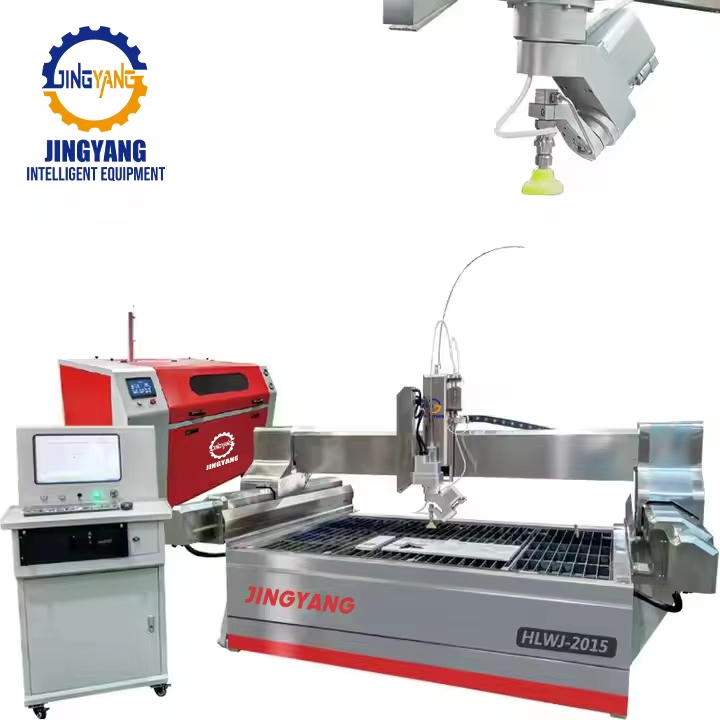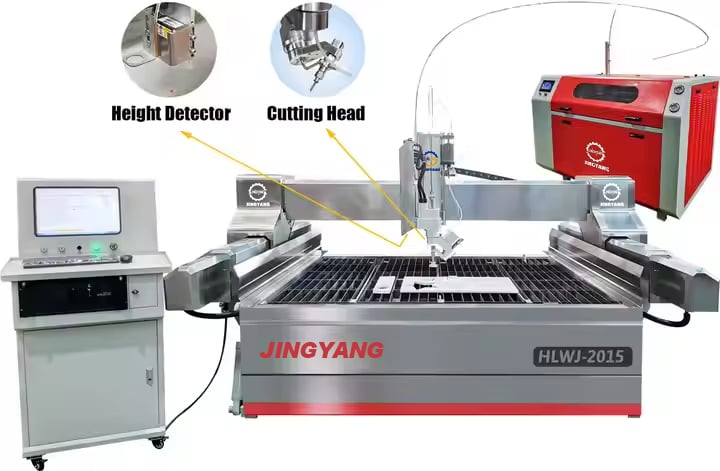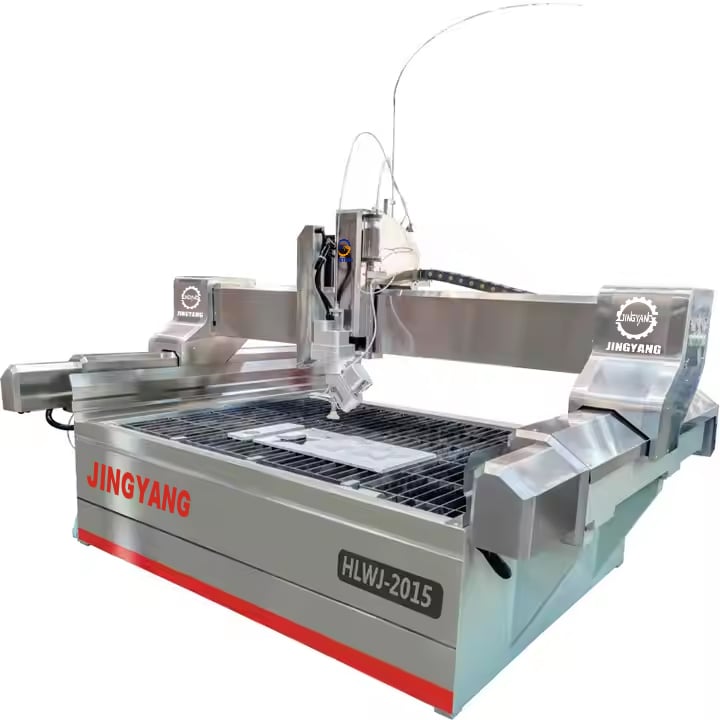
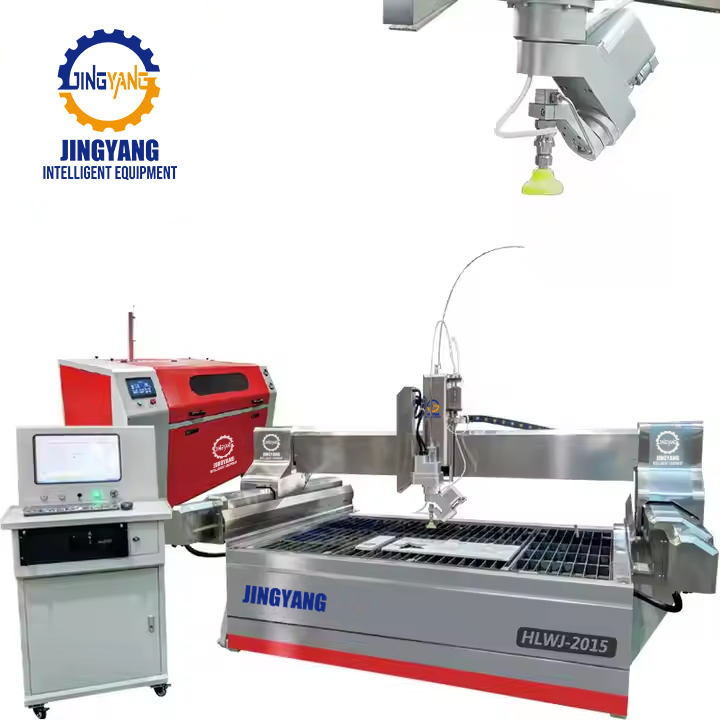
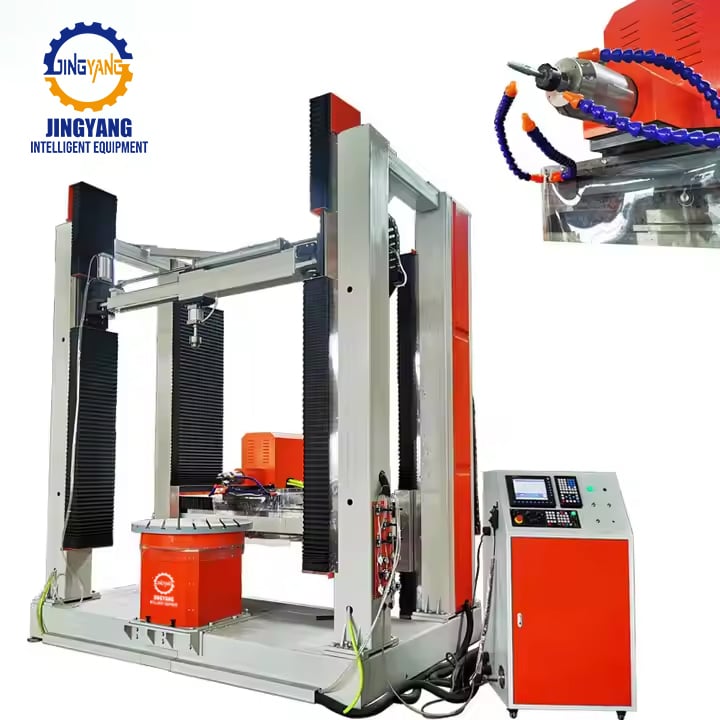
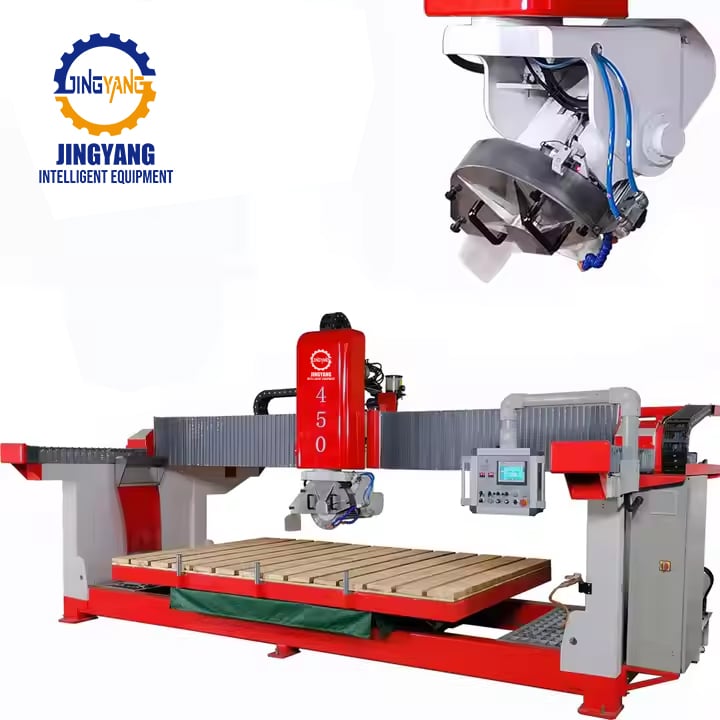
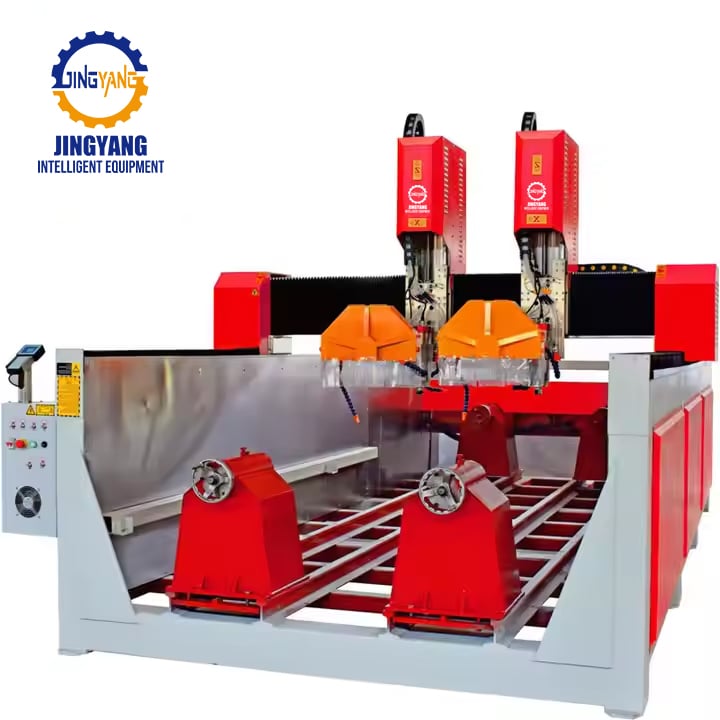
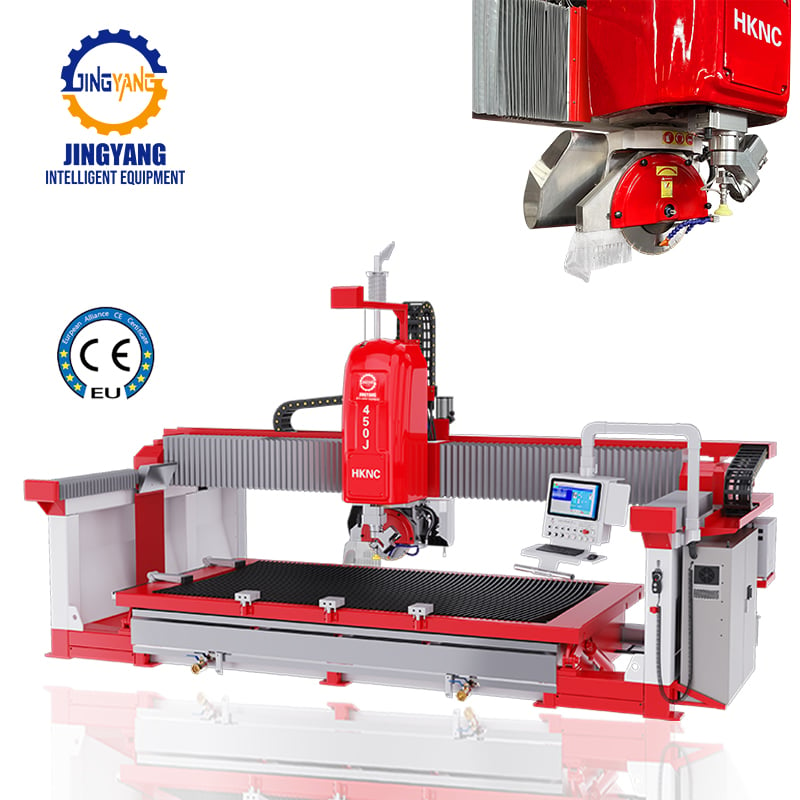
Indeed, the competency of a waterjet cutting machine is definitively dependent on its accuracy. Particularly, the stone, metal, and architectural industries have set up their manufacturing standards so that the work is always very close to the marked tolerances or dimensions.
Accuracy is more than the deployment of software. The strength of a machine frame, the motion control stability, the pressure in the pump being consistent, and the CNC calibration are some of the factors that influence accuracy equally. JingYang is equally concerned with both the mechanical stability of the machine and the digital control.
Based on this scenario, JingYang has layered its deep industry know-how with a number of patented technologies to bring about improvements in both the structure and the motion control. The result is the smooth and accurate operation of the machine over a long period of time and through batch work repetition.
Here is a German engineering firm’s feedback:
"We break down every complex pattern cutting into simple tasks for our JingYang waterjet cutting machine. Nevertheless, it keeps its precision throughout."
JingYang is enhancing machine and algorithm stability to reach even greater precision with the help of collaborations with technical universities.
Q: Is it possible to measure the accuracy of a machine to a certain degree?
Normally, it is ±0.1 mm, though it varies according to the material.
Q: Does the accuracy deteriorate due to the wear and tear?
Accuracy does not erode that much when there is proper maintenance.
Q: Is the machine capable of working with complex patterns?
Indeed, sophisticated CNC nesting is used in such cases.
Today, waterjet cutting machines can deliver top-notch performance in terms of accuracy. JingYang couples engineering stability with CNC precision, so their machines are prepared to tackle the highly stringent industrial standards.