EN


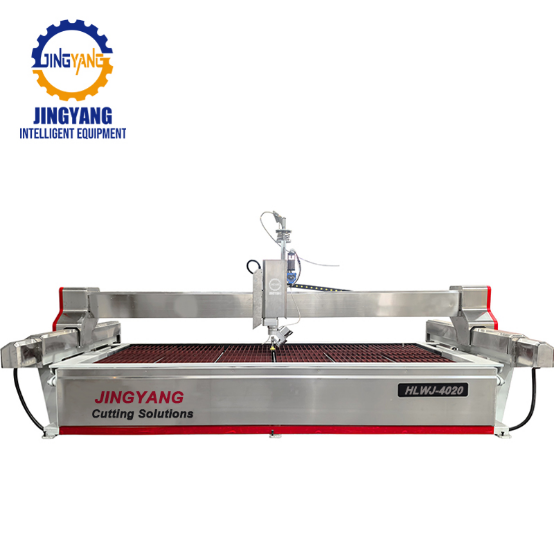
A commercial stone cutting machine should match your daily slab sizing, countertop cutting, sink cut-outs, curves, and miter work. This guide helps workshop owners compare stone cutting equipment, choose the right stone cutting machine, and avoid buying a model that cannot support real production needs.
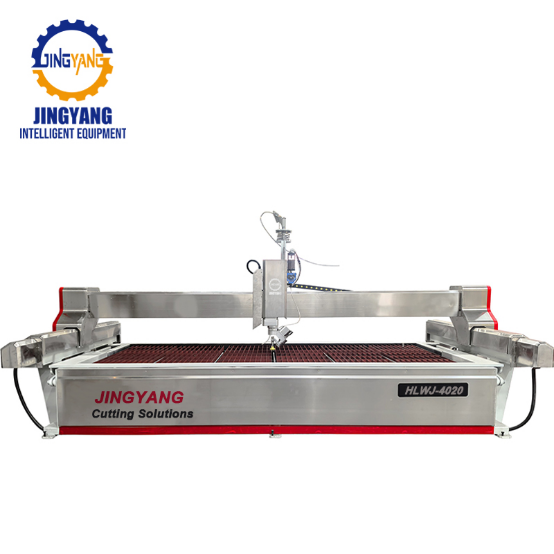
Start with Your Daily Commercial Stone Cutting Machine Jobs
Before comparing brands or prices, list the jobs your workshop handles every day. A stone cutting machine for simple slab sizing is very different from a system used for kitchen countertops, vanity tops, curved islands, and sink openings.
For most stone and countertop workshops, daily work usually includes:
- Straight slab cutting for marble, granite, quartz, or sintered stone.
- Countertop cutting for kitchens, bathrooms, hotels, and commercial projects.
- Sink cut-outs, cooktop holes, faucet holes, and L-shaped layouts.
- Miter cuts, bevels, curved edges, and custom shapes.
- Repeat orders that require consistent size and accurate positioning.
This step matters because the wrong stone cutting equipment may still cut stone, but it may not cut the jobs that bring your workshop profit. For example, if you mainly process straight slabs, a bridge saw may be enough. If your workshop focuses on countertops, the commercial stone cutting machine must support more accurate positioning and more complex layouts.
A practical buying decision starts with one question: what must this stone cutting machine finish every shift without slowing down the rest of the line?
Match the Stone Cutting Machine to Your Materials
Different stones require different cutting strength, stability, and tooling. A stone cutting machine used mostly for marble does not face the same pressure as one cutting granite, quartzite, porcelain, or engineered stone every day.
Marble is easier to cut, but it still requires clean edges and controlled movement to avoid cracks. Granite and quartzite are harder, so the machine needs stronger structure, stable power, and reliable blade performance. Quartz and engineered stone are common in countertop fabrication, where hole accuracy and edge quality affect installation. Porcelain and sintered stone can be brittle, so cutting control is critical to reduce chipping.
If your factory cuts several materials, choose the commercial stone cutting machine based on the hardest and most demanding material, not the easiest one. This helps prevent underpowered performance and reduces the risk of buying stone cutting equipment that works only for part of your orders.
Compare Stone Cutting Equipment Types
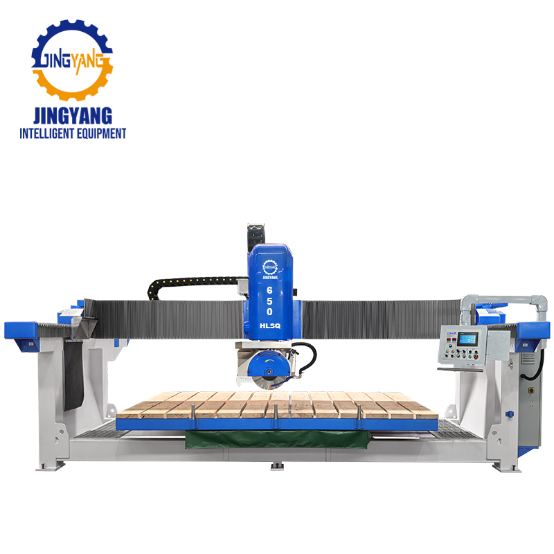
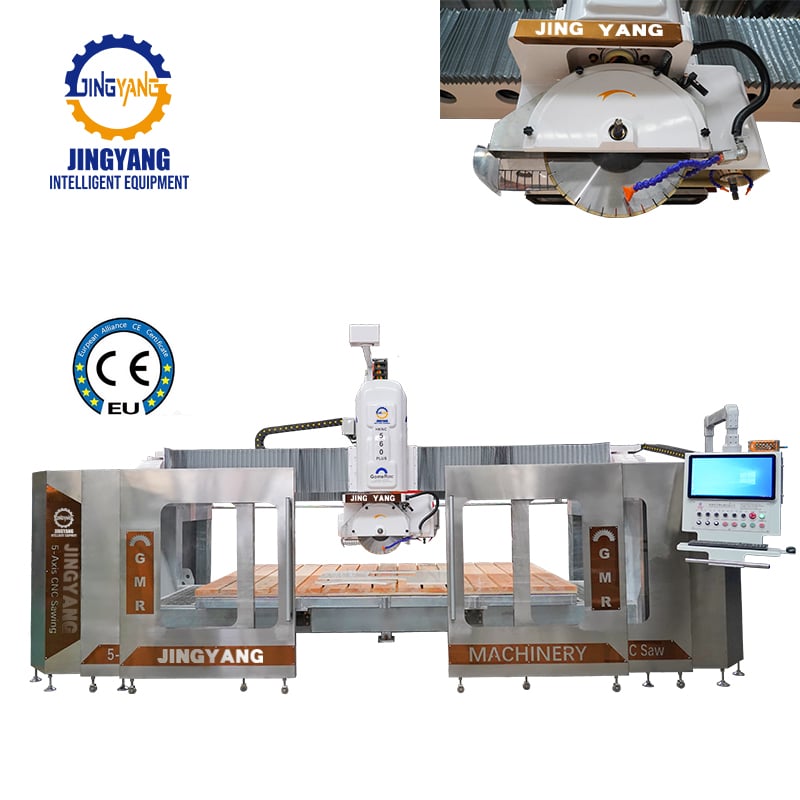
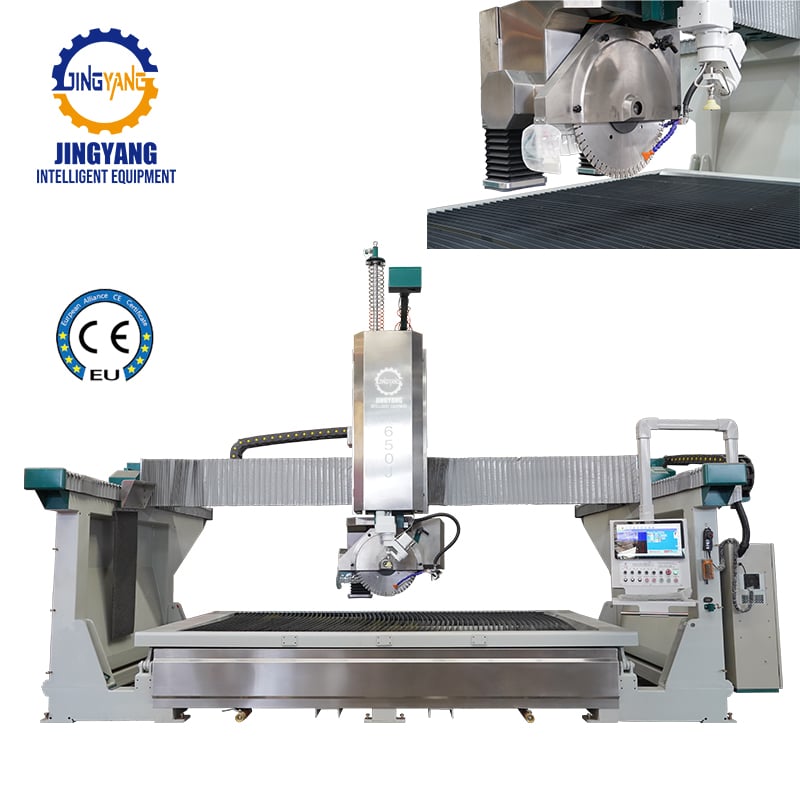
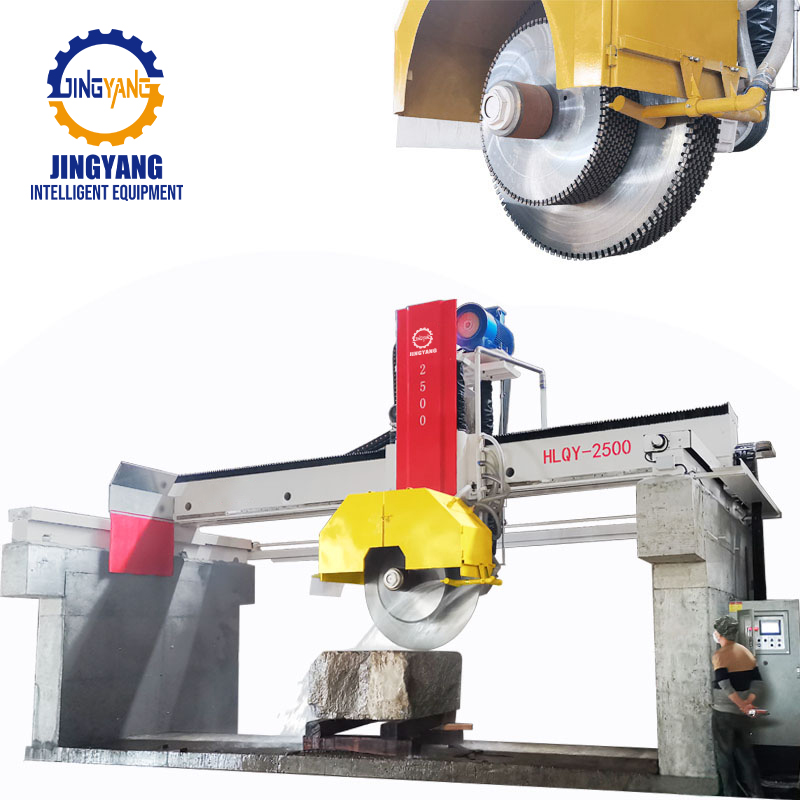
There is no single best machine for every workshop. The best stone cutting equipment depends on your job mix, material, accuracy requirement, and budget. Understanding each machine type helps you choose with less guesswork.