EN


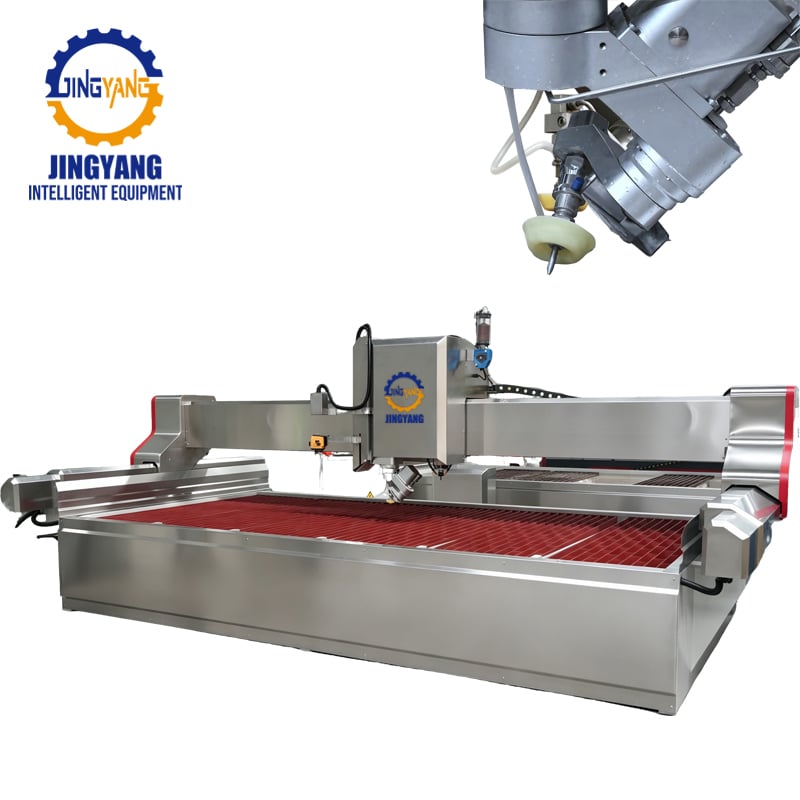
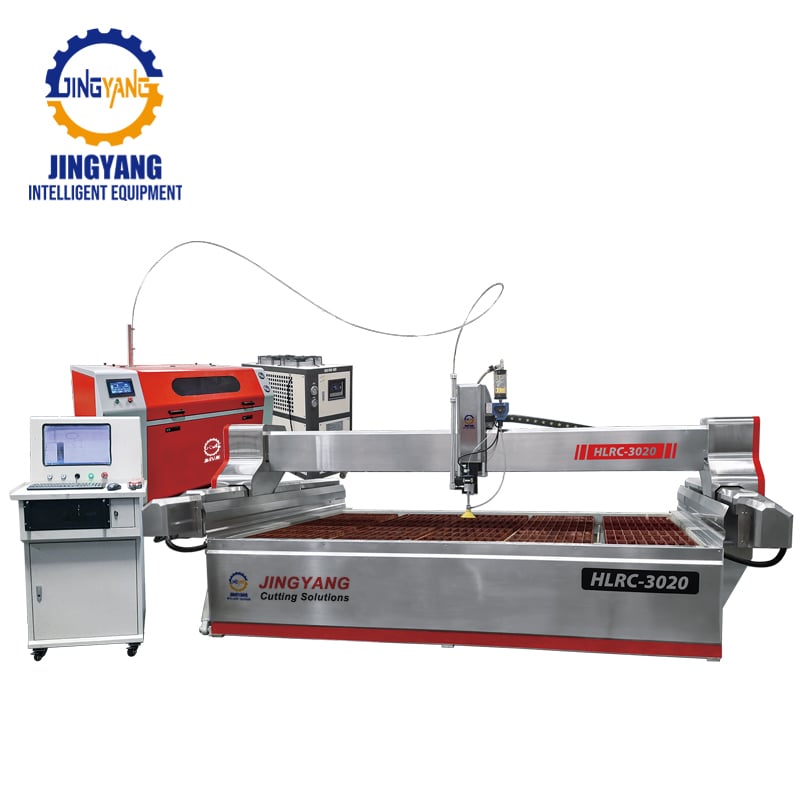
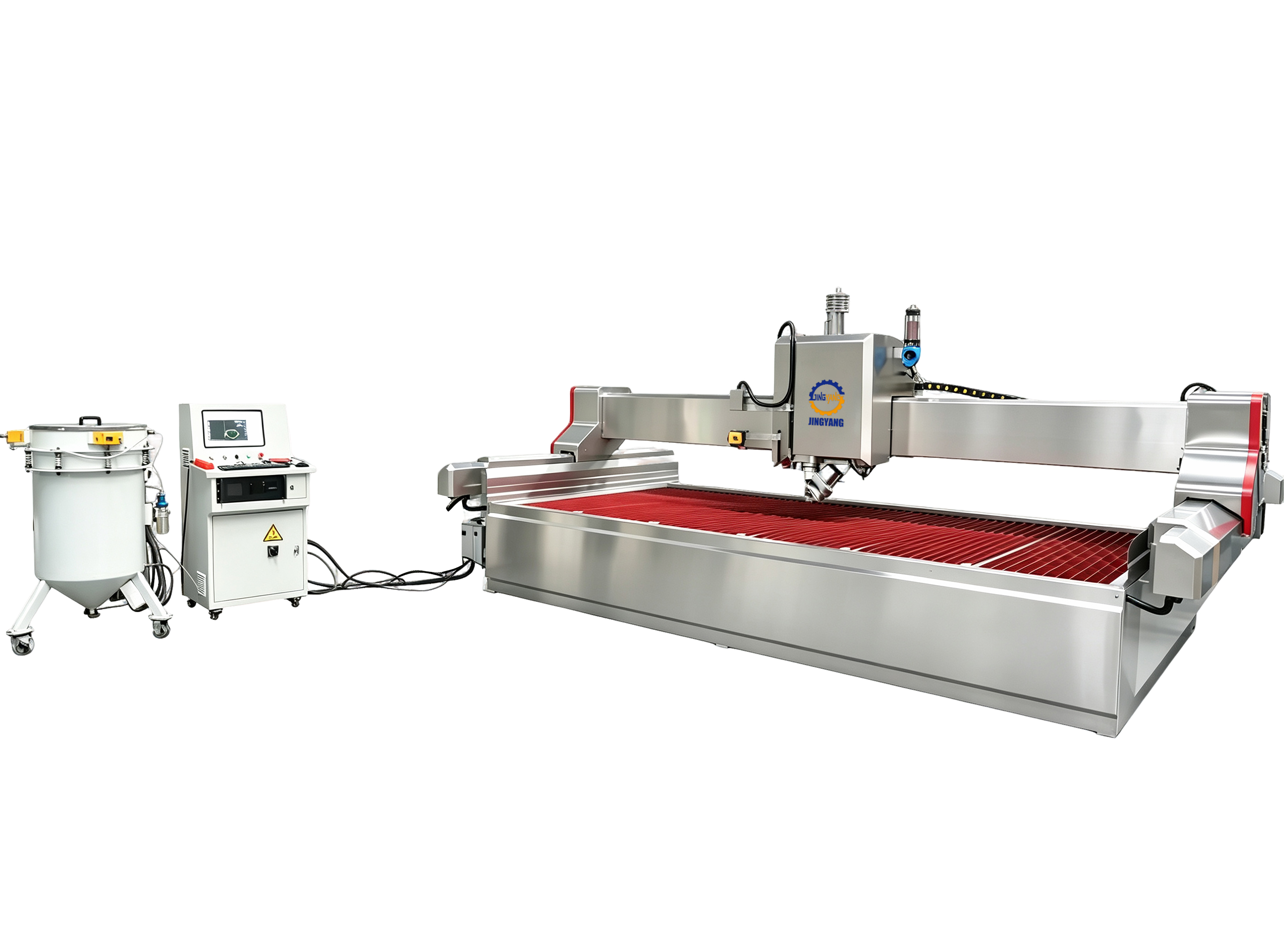
Understanding water jet cutting machine price differences comes down to component quality, pump engineering, and cutting head kinematics. This commercial buying guide explains what drives real waterjet cutting machine cost, how to compare a water jet cutter price line by line, and how to verify if a lower water jet cutting machine price delivers long-term profitability or hidden workshop downtime.
The Pressure Core: Intensifier Pumps Versus Direct-Drive Systems
The high-pressure pump functions as the heart of any cold-cutting system, representing 40% to 50% of the initial water jet cutting machine price. When comparing quotations, the starkest cost divide exists between hydraulic intensifier pumps and mechanical direct-drive crankshaft pumps.
Direct-drive pumps convert electrical power directly into mechanical piston strokes. They offer lower initial capital expenditure and high electrical efficiency, making them an attractive entry point for smaller operations. However, when processing dense materials like granite, engineered quartz, or metal daily, hydraulic intensifier pumps dominate industrial fabrication. Intensifiers utilize pressurized hydraulic oil to drive reciprocating ceramic plungers, delivering reliable operating pressures ranging from 3,800 bar (55,000 psi) up to 6,200 bar (90,000 psi).
Beyond pump architecture, continuous operating pressure dictates real-world cutting speeds. A budget-tier system may advertise a 4,100 bar peak pressure rating, but its safe continuous running limit often sits around 3,200 bar to prevent premature cylinder fatigue. In contrast, heavy-duty industrial pumps maintain higher sustained pressure through larger-capacity pulse accumulators, forged stainless steel fluid cylinders, and automated bleed-down safety circuits. This engineering difference reduces hydraulic pulsation, producing cleaner edge finishes and extending consumable life across production shifts.
Machine Frame Rigidity, Motion Mechanics, and Drive Systems
The physical structure supporting the cutting head directly affects part accuracy and longevity, heavily influencing the overall waterjet cutting machine cost. Waterjet cutting occurs in a harsh, corrosive environment saturated with acidic stone sludge, fractured garnet grains, and standing water.
A budget machine frame fabricated from thin structural carbon steel tube without thermal processing warps over time due to released internal stresses. As the frame distorts, linear guide tracks lose parallelism, degrading finished workpiece accuracy. Premium machines rely on heavy-gauge steel plate designs subjected to thermal stress-relief annealing followed by five-face gantry CNC machining. This prevents structural twisting and preserves positional repeatability across five to ten years of continuous use.
Motion drive components also reveal significant specification gaps across different price tiers:
- Drive transmission: Ground precision ball screws and helical racks offer superior positioning accuracy and backlash resistance compared to cheap rolled screws or straight-tooth racks.
- Guide rail sealing: Multi-layer labyrinth seals and positive air-pressure purge systems shield linear rails and trucks from abrasive slurry contamination.
- Submerged structural elements: Stainless steel catch-tank liners, heavy-duty slat supports, and isolated drive gantries prevent structural oxidation and premature chassis rust.
- Servo electronics: Absolute digital AC servos eliminate the need for manual axis homing while maintaining precise position feedback even after emergency stops.
Cutting Head Kinematics: 3-Axis Versus 5-Axis Taper Correction
The physical geometry of a high-pressure abrasive water stream naturally creates an angled kerf taper, leaving cut edges wider at the top and narrower at the bottom. The mechanical engineering used to manage this physical phenomenon directly impacts the final waterjet machine price.
Mechanical Parameter |
Basic 3-Axis System |
Advanced 5-Axis Taper Compensating System |
Kinematic Configuration |
Fixed vertical downfeed (X, Y, Z orthogonal) |
Continuous interpolating bi-rotational wrist (A/B or A/C axes) |
Natural Stream Kerf Taper |
1° to 3° edge taper present on thick workpieces |
Real-time angular deflection cancels kerf taper completely (0° true perpendicular) |
Beveling Capabilities |
None (limited to flat profile outlines) |
Programmable beveling from 0° to ±45°/±60° for seamless miter joints |
Control Software Demands |
Basic 2D G-code interpolator |
Advanced RTCP (Rotational Tool Center Point) kinematics with dynamic corner deceleration |
Target Applications |
Basic rough stone sizing, flat sheet metal cutting, foam profiles |
Countertop sink cutouts, architectural porcelain miters, complex stone medallions |
Standard 3-axis cutting heads provide an economical solution for rough-cutting slabs, blanking metal plates, or creating basic profiles where edge draft is acceptable. However, fabricating modern quartz surfaces, interior porcelain tiles, and stone panels without manual grinding requires a dynamic 5-axis cutting head.
These articulated heads introduce harmonic gearboxes, high-resolution rotary encoders, and real-time algorithmic deflection compensation. By tilting the waterjet stream slightly outward, the machine sweeps the natural cutting taper into the scrap side of the workpiece, leaving a true 90-degree finished edge. While a 5-axis head increases the initial machine investment, it eliminates hours of secondary manual edge grinding on kitchen countertops and architectural mitered joints.
True Total Cost of Ownership: Abrasive and Consumable Realities
Looking strictly at equipment purchase figures ignores the substantial recurring expenses required to keep an abrasive cold-cutting line running. Evaluating the cost of waterjet cutting machine ownership requires auditing consumable lifespans and hourly utility demand before committing capital.
Abrasive garnet consumption represents the largest variable expense during daily operations, accounting for up to 60% of operating costs. Entry-level machines frequently rely on basic gravity-fed sand hoppers with manual flow valves that feed unmetered abrasive inconsistently. This causes erratic cutting speed, clogged mixing chambers, and wasted media.
Advanced systems incorporate electronic, stepper-controlled abrasive metering assemblies that continuously calibrate delivery rates according to target material depth and pressure dynamics. Optimizing abrasive delivery can cut monthly garnet usage significantly without sacrificing traverse speeds.
Component lifecycles also impact long-term operational costs:
- Focusing mixing tubes: Premium composite tungsten-carbide mixing nozzles resist internal bore expansion, lasting 80 to 120 operational hours before waterjet stream divergence degrades cutting quality.
- High-pressure orifice jewels: Precision diamond orifices carry a higher purchase cost than sapphire or ruby alternatives, but they run 500 to 800 hours reliably while shielding downstream mixing chambers from unbalanced water jets.
- Plungers and dynamic seal packs: High-pressure cylinder packings that withstand consistent 3,800+ bar cycling reduce emergency pump teardowns and prevent unscheduled shift halts.
Scope of Supply and Quotation Traps to Avoid
A low headline quote often masks an incomplete system specification. Inexperienced buyers comparing overseas supplier estimates often discover critical ancillary support machinery was stripped out to manufacture an artificially low initial bid.
When reviewing equipment proposals, check whether the base quote covers auxiliary equipment essential for day-to-day operation. Inquire whether the high-pressure pump package includes an integrated closed-loop chiller or oil-to-water cooling heat exchanger, which prevents hydraulic oil from overheating in high-ambient environments.
Check if a motorized abrasive sludge removal system is included within the catch tank, or if manual shoveling will be required every few months. Verify water pre-treatment inclusion; mineral-rich city water quickly ruins dynamic seals and check-valve seats without twin-column deionizers and water softeners.
Finally, confirm software licensing boundaries. Professional CAD/CAM nesting software equipped with automated lead-in optimization, common-line cutting strategies, and stone vein matching features represents thousands of dollars in commercial value that budget quotations often exclude.
Evaluating Engineering Pedigree and Practical Factory Support
A reliable waterjet tool depends on real-world manufacturing know-how, parts availability, and engineering support. Fabricators that lack deep field experience often assemble generic off-the-shelf catalog parts into systems that struggle under aggressive, continuous production cycles.
Drawing on decades of stone machinery manufacturing experience, Jingyang Machinery builds industrial equipment with rigid structural foundations, dependable high-pressure assemblies, and intelligent CNC controls. Because Jingyang manufactures complete stone processing systems—from primary extraction equipment to bridge sawjets and polishing lines—its machinery is engineered specifically to withstand heavy stone workshop dust, slurry, and high production workloads.
Before finalizing an agreement, verify the supplier's spare parts supply chain. Inquire if dynamic seals, high-pressure tubing, check valves, and focusing tubes use standardized industrial thread dimensions, or if they rely on proprietary fittings that force your workshop into expensive single-vendor lock-in.
Final Checklist Before Committing Capital
Securing an optimal return on investment means balancing capital outlay against mechanical reliability, cut tolerances, and daily maintenance overhead.
Before signing a purchase order, confirm the following technical benchmarks:
- Does the pump maintain rated working pressure under continuous full-shift duty cycles?
- Is the main structural frame fully annealed and machined to protect motion accuracy over time?
- Does your daily work product justify a 5-axis taper-compensating head over a standard 3-axis unit?
- Does the quotation include vital support equipment, such as water softening, chilling, and continuous sludge extraction?
- Are emergency replacement components stocked locally or available through overnight delivery?
Evaluating an industrial water jet cutting machine price requires looking past the surface quote to measure mechanical mass, pump durability, dynamic precision, and long-term running costs. Investing in a properly engineered waterjet cutting machine ensures continuous workshop production, clean finished edges, and predictable operational expenses.
Contact Jingyang Machinery today to review your material specifications, daily cutting volumes, and workspace layouts. Our engineering specialists will provide a detailed technical quotation and configuration analysis matched to your production requirements.