Is a Bridge Cutting Machine Worth the Investment?
Introduction: The Significance of This Question in 2025
If this is the case that you are the stone fabricator, or part of construction and architectural projects, then you must be well aware of the bridge cutting machine. To a large extent, the question of what a bridge cutting machine is has been answered for many buyers in Europe and North America. They still wonder if the purchase of such equipment is really worth the money and will it be beneficial for them in the long run.
Stone processors, in the face of rising labor costs, the need to meet tighter project deadlines, and increasing expectations for precision, are looking to modernize their operations. A bridge cutting machine offers the promise of automation, accuracy, and efficiency, but the question remains—does it really align with the needs of the industry?
Bridge Cutting Machine: What Is It?
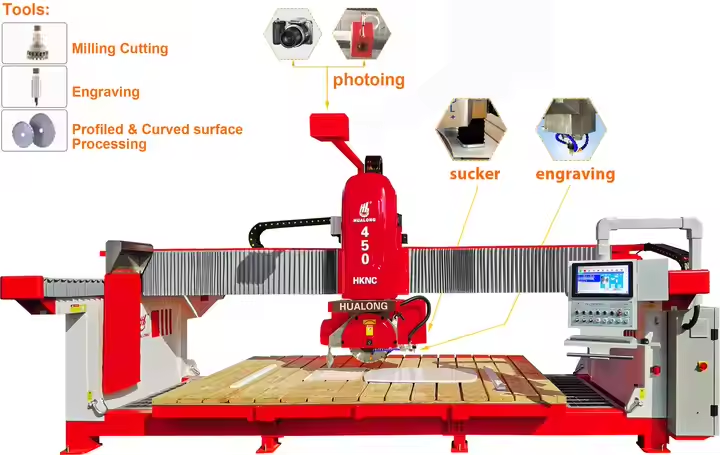
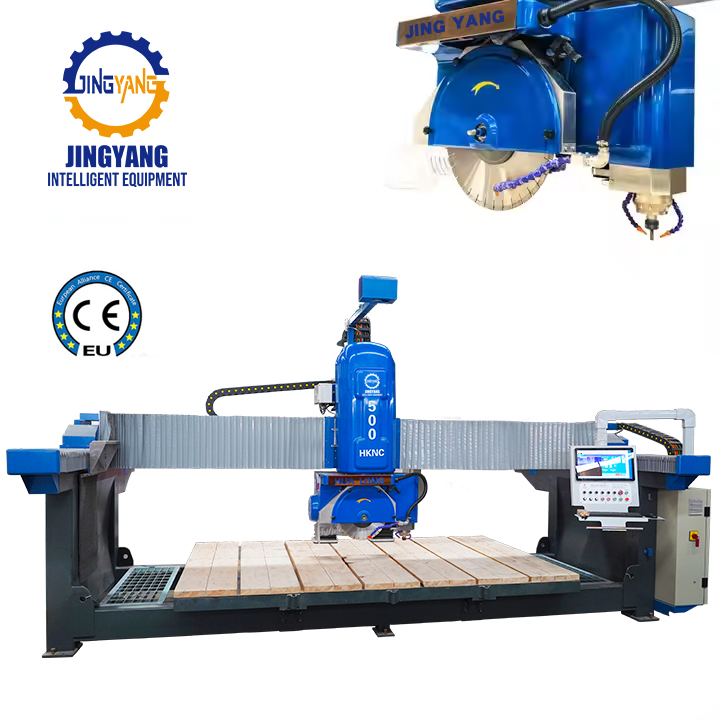
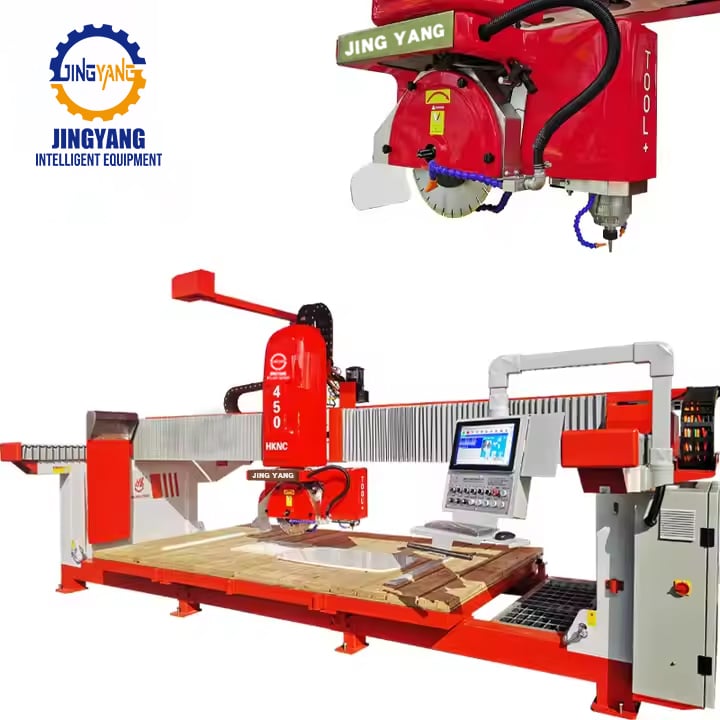
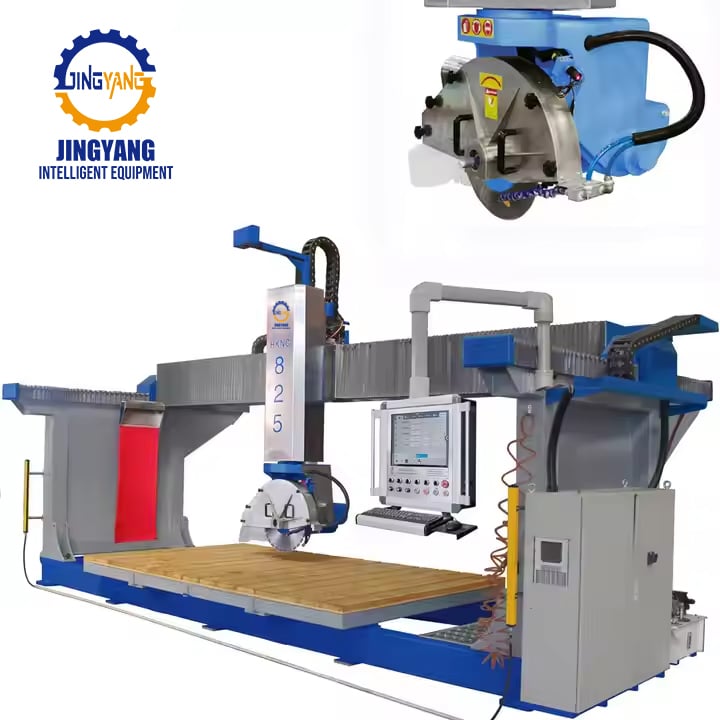
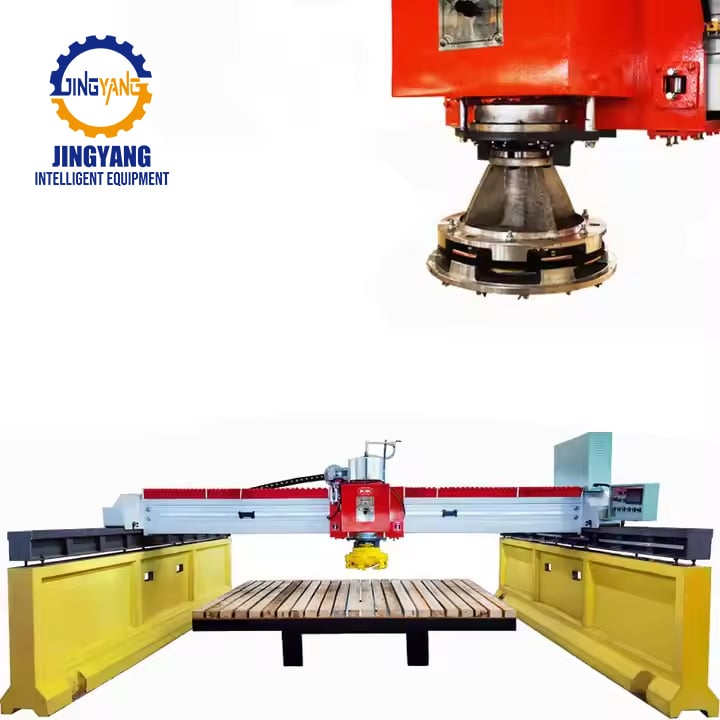
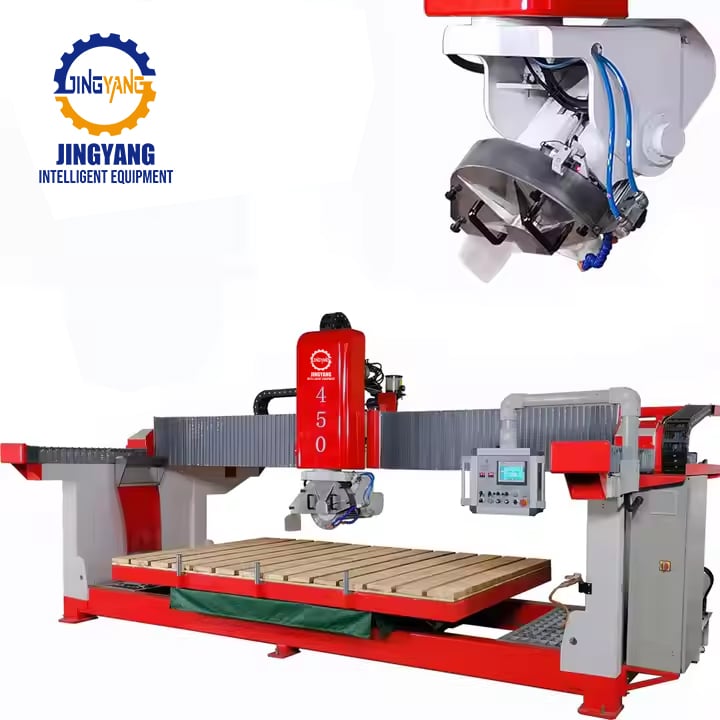
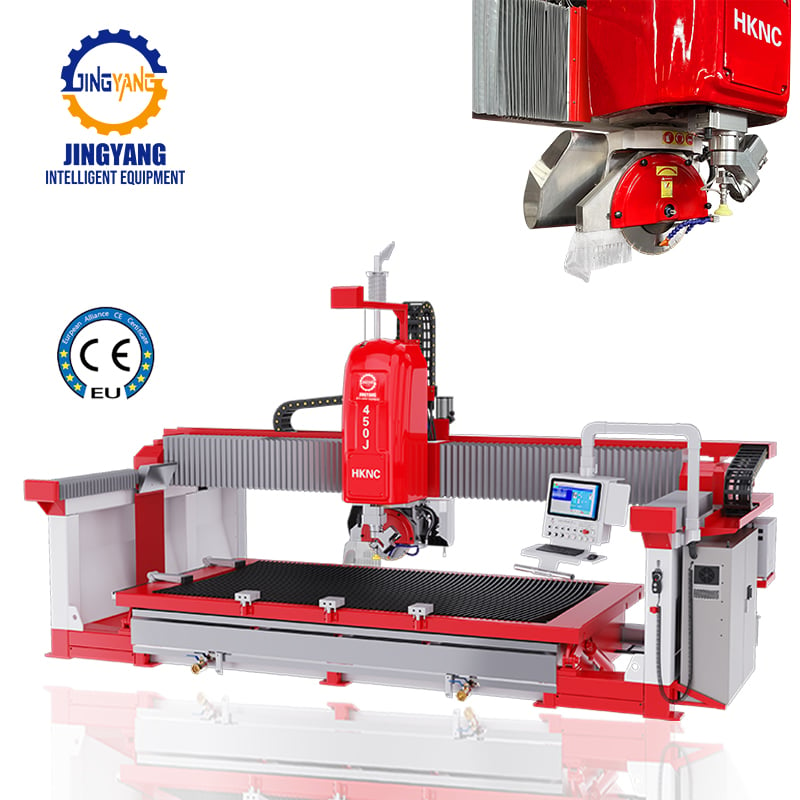
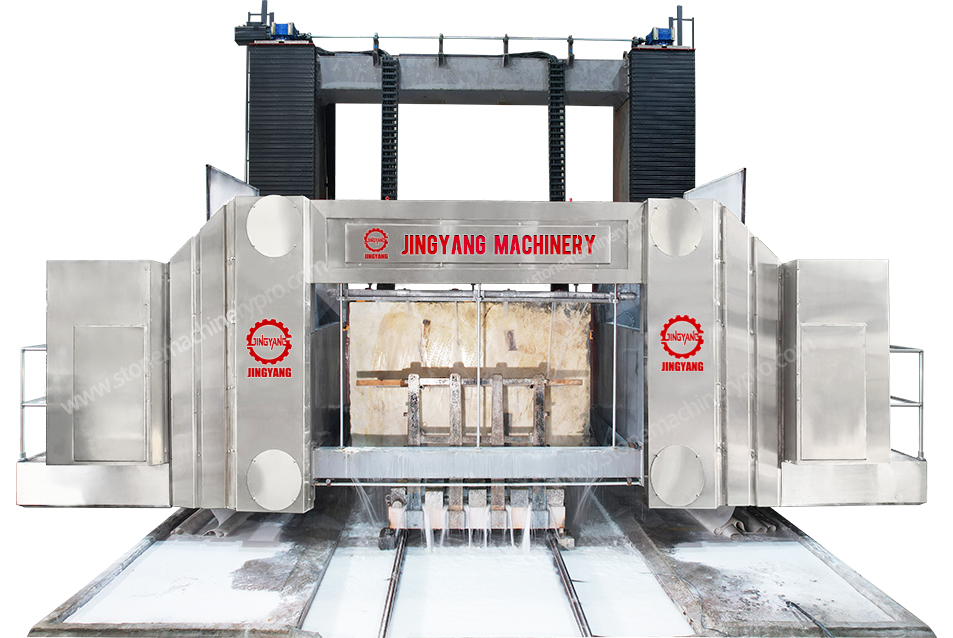
Simply put, a bridge cutting machine is a CNC-operated stone-cutting system used primarily for granite, marble, quartz, sintered stone, and other types of slab cutting. The word “bridge” comes from the main beam overhead structure which supports the cutting head, hence the latter is allowed to accurately move along the X, Y, and Z axes.
The benefits of using a bridge cutting machine compared to the manual or semi-automatic cutting equipment are:
- Extremely precise cutting
- Material wastage is minimized
- Production is done in less time
- Results are always the same
The latest models frequently feature multi-axis movement, smart software integration, and are factory automation line-compatible, thus becoming a core asset for professional stone workshops.
Why Are More Stone Fabricators Opting for Bridge Cutting Machines?
There is a visible trend of workshops moving away from manual cutting and embracing CNC solutions in Europe and North America. Their argument is based on very sound practical grounds.
1. Expensive Labor
The cost of skilled manual labor continues to soar while at the same time it is getting more and more difficult to find. The use of a bridge cutting machine will not only help to reduce the necessity for such labor but will also help to keep the production quality at a high level.
2. Necessity for Precise Work
New architectural projects by default, have stringent tolerances and complex shapes. Such things as miters, curves, sink cutouts, and angled edges can be CNC bridge cutting machines handled without any problem at all.
3. Shorter Project Completion Time
The use of automated cutting will significantly reduce the time of the production process thereby leaving the fabricators of the works an opportunity to meet their deadlines without compromising on quality.
JingYang: The Name You Can Count on for Your Bridge Cutting Machine
The question of whether or not a bridge cutting machine is worth the investment is answered to a large extent not only by the machine itself but also the company that makes it.
JingYang here is one example of a stone machinery company with 35+ years of expertise. They belong to StoneMachineryPro and are known for their engineering excellence. See their company profile👉 https://www.stonemachinerypro.com/about-us
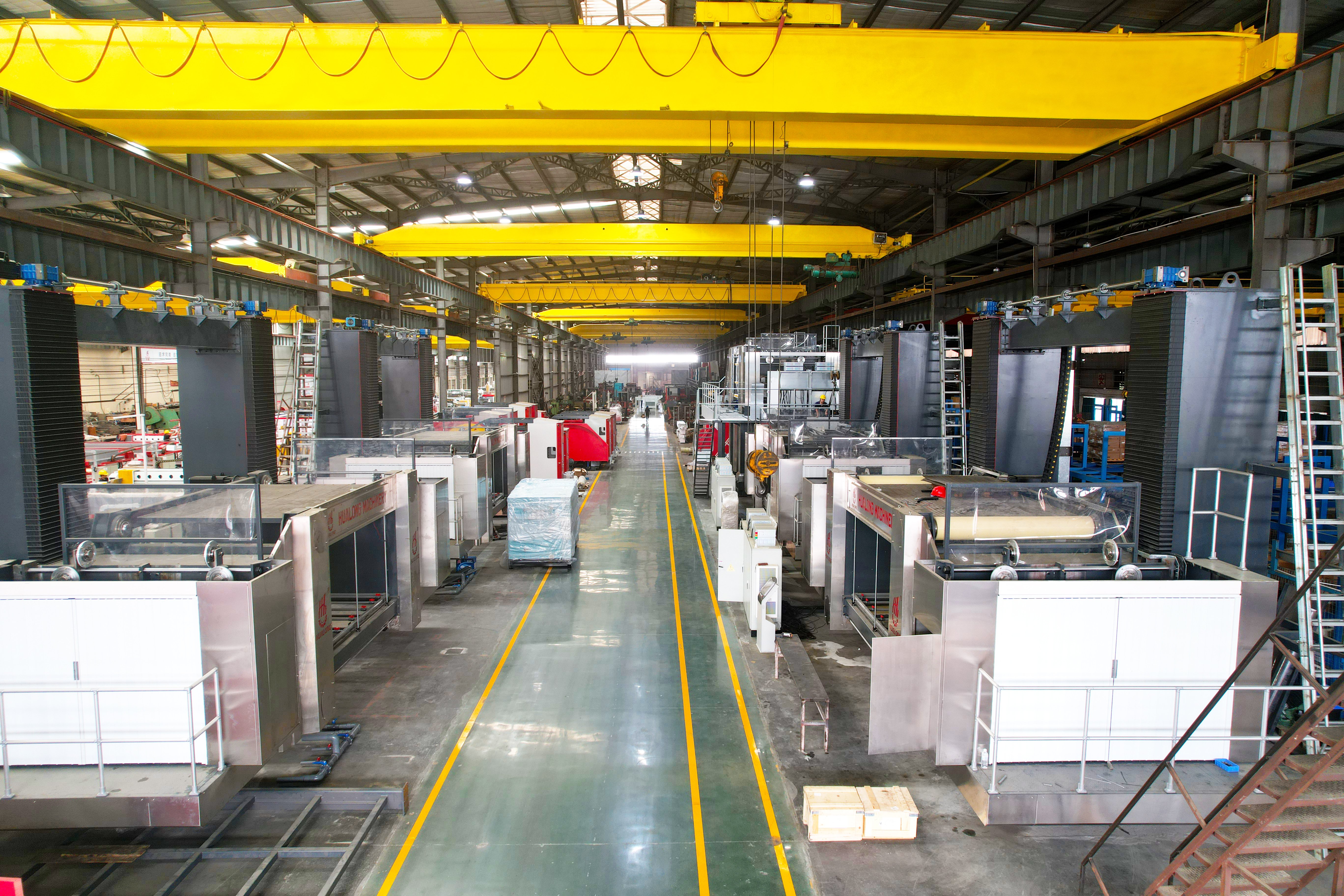
JingYang combines R&D, manufacturing, sales, and global service into one complete system. The production base covers about 50,000 square meters, and the technical team of more than 260 professionals, delivering both scale and specialization.
Some of the advantages mentioned by JingYang include:
- Self-driven research and patented technology
- Conformance with ISO and CE certification
- R&D collaboration with universities and industry institutions
- Experience in export to over 100 countries
It is against the background of this, that the buyers can be confident that the bridge cutting machines are not some prototypes but rather mature, field-tested solutions.
Examples of Bridge Cutting Machine Uses
A bridge cutting machine by no means is only a one-purposed instrument. Its versatility is one of the main reasons buyers consider it a strategic investment.
Countertop Manufacturing
When it comes to kitchen countertops, bathroom vanities, and islands, bridge cutting machines will not be challenged by straight cuts, L-shapes, sink openings, and chamfers.
Architectural Stone Processing
Wall cladding, stair treads, and floor slabs — CNC bridge cutting always guarantees the same size and high-quality finish.
Monument and Memorial Industry
Precision engraving, angled cuts, and complex stone profiles are the pillars of monument-making where precision is of utmost importance.
Commercial Projects
Hotels, shopping malls, airports, and office buildings require a high volume of top-notch stone cutting and therefore, the use of bridge cutting machines becomes a necessity.
End User Reviews: What Is The Feedback?
Probably, one of the effective ways to meet Google’s E-E-A-T standards is to draw on real experience. Only a few users and industries are listed here who are already benefiting from JingYang bridge cutting machines. They are from across the world and have different experiences.
European Fabricator (Italy):“We upgraded from a manual saw to a CNC bridge cutting machine. The accuracy improvement was immediate. Material waste dropped significantly.”
North American Workshop Owner (USA): “The installation went very smooth, and the overall integration with our workflow was really well done. We were able to get in touch with JingYang’s service team whenever we needed it during the instalment period.”
Middle East Stone Processor: “Durable even through continuous production runs. And to top it all off, the maintenance costs are even lower than we expected.”
Such kind of customer feedback typically refers to such common elements as stability, precision, and reliable after-sales service.
One element that is often ignored but is still very important is the relationship with your supplier beyond the purchase of an equipment deal.
The company JingYang goes further and puts a lot of emphasis on cooperation with the customer rather than just a one-times sale. Pre-sale technical consultation, Custom machine configuration based on material and output needs, Operator training and process optimization, and Ongoing technical support and spare parts supply are some of these cooperative elements.
Such cooperation is especially valuable for overseas buyers who require reliable remote support and clear communication.
Is a Bridge Cutting Machine Worth the Investment?
Purchasing a bridge cutting machine can be quite costly. Nevertheless, the majority of professional users prefer to assess the return on investment in terms of:
- Labor cost reduction
- Increase in production output
- Less material wastage
- Better and more consistent product quality
- Getting a capability of working on more valuable projects
In many cases, a medium to a big stone workshop may enjoy the delivery of these benefits soon after they have made the investment.
Frequently Asked Questions (FAQ) from EU & US Buyers
Q1: Would it be wise to use a bridge cutting machine in a small workshop?
Absolutely. The floor space is usually a major concern and limited production is another issue. Most of the models nowadays are designed so that they only take up little floor space and can adapt easily to production scaling. The most important thing is proper configuration.
Q2: How long does operator training take?
Interface of almost all CNC bridge cutting machines is quite simple and even a first-time user can get through it. They are also equipped with very powerful software. Operator training is normally pretty fundamental, so it should take no more than a couple of days.
Q3: Can you list materials that can be cut using a bridge cutting machine?
Such materials as granite, marble, quartz, sintered stone, porcelain slabs, and engineered stone are the norm that supports a cutting machine.
Q4: How to find out maintenance and spare parts?
Top brands like JingYang provide standard parts, straightforward maintenance routines, and they always have spare parts for customers in the long run.
Q5: How sure can we be that after-sales support is there for us even if we live overseas?
International customers will most definitely have their concerns. JingYang will provide them with comprehensive documentation and will assist them remotely. The company’s extensive experience with global customers also makes things easier and quite efficient.
Final Thoughts: What Is the Right Decision?
So, is a bridge cutting machine a worthy capital expenditure? For outfits looking to achieve higher efficiency, better precision, and increased competitiveness, the decision would not be a simple no but rather an affirmative one—to be certain the chosen manufacturer is reliable and competent.
Compared to its competitors, JingYang is not just a holding company for machines, but an expanded business partner for the customers. Their focus is more on long-term business growth rather than mere product sales. JingYang's bridge cutting machines aren't simply cutting stone, they're crafting success pathways for businesses.
Investing in a professional bridge cutting machine is not simply making an upgrade. It is a strategic move if you want to diversify and lessen your operational risks without compromising on quality.

 EN
EN