EN



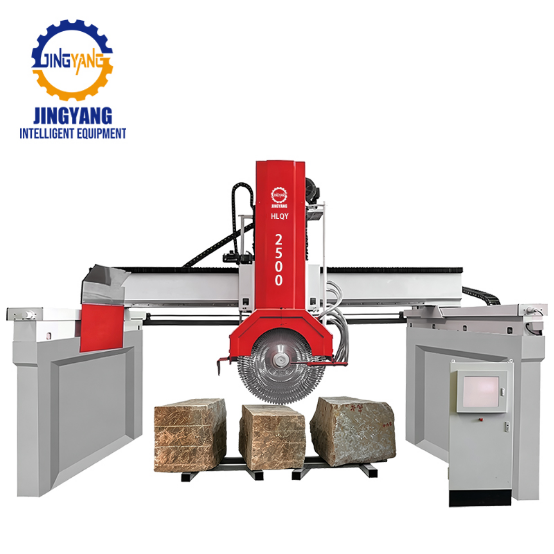
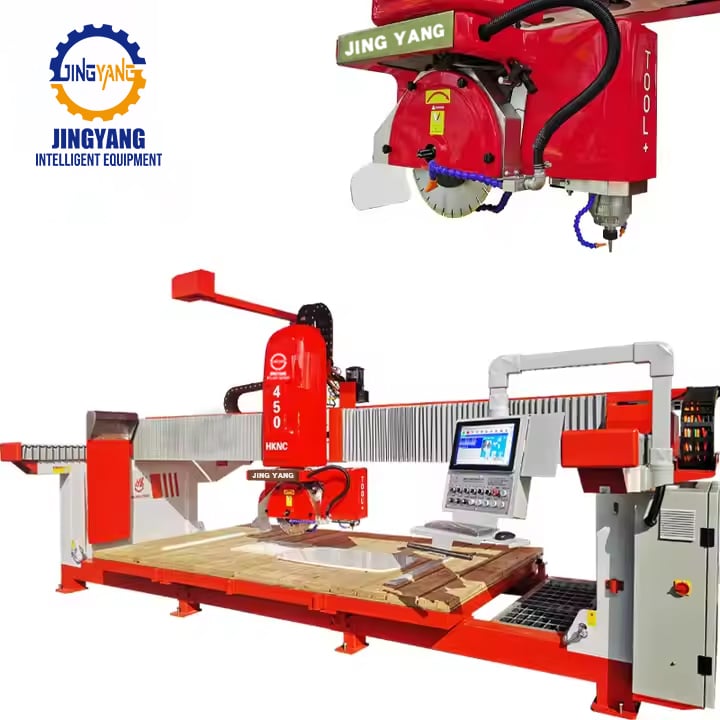
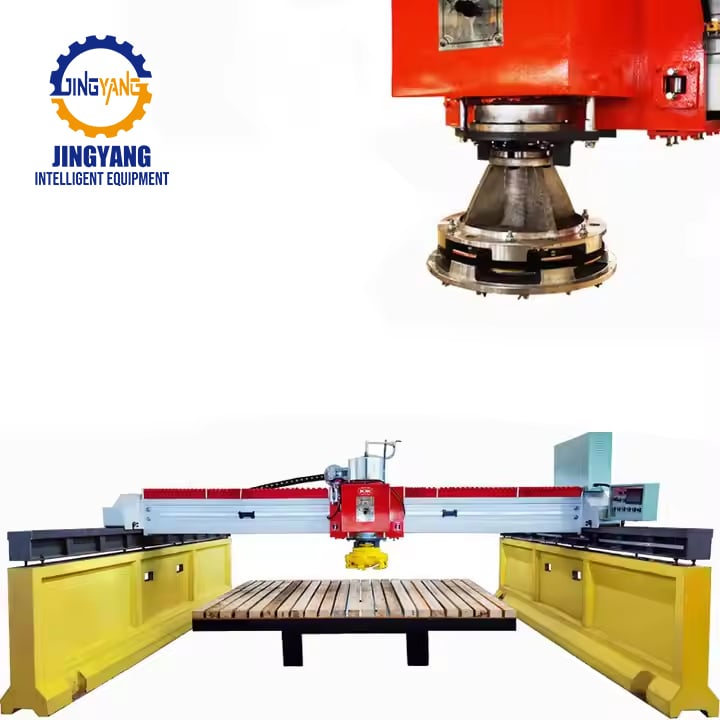
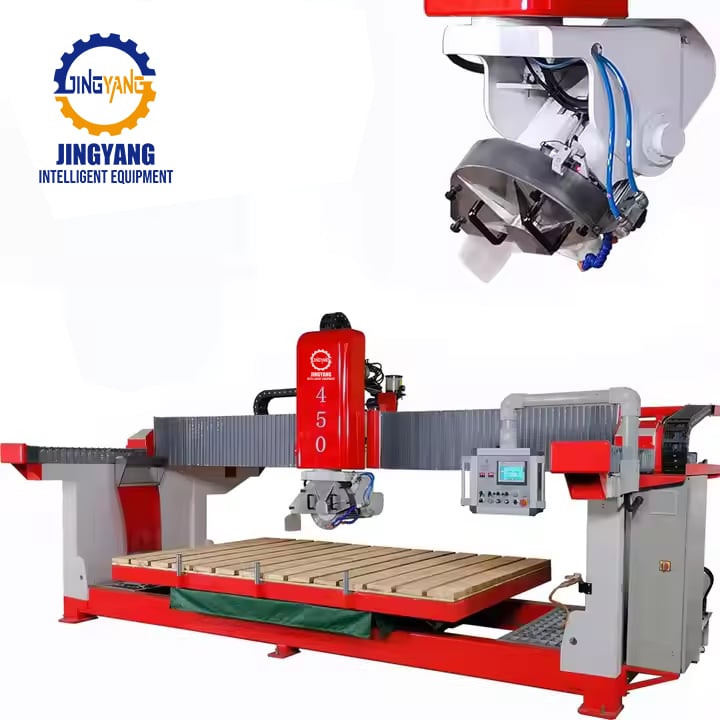
Choosing a block cutter machine is mainly about one result: producing more usable slabs per shift with less waste, fewer blade problems, and stable thickness. This guide helps factory owners and buyers compare the right stone block cutter, marble block cutting machine, or granite block cutting machine based on output, stone hardness, machine structure, and long-term operating cost.
Why a Block Cutter Machine Matters to Slab Output
In many stone factories, block cutting is the first serious production bottleneck. If the block cutting machine is too slow or unstable, polishing, trimming, resin treatment, and packing all wait behind it. A good stone slab cutting machine should not only cut blocks into slabs but also keep the whole line supplied with consistent material.
The wrong block cutter machine often creates hidden losses: uneven slabs, extra calibration, higher blade wear, more operators, and missed delivery dates. The right slab production machine improves daily square-meter output while reducing cost per slab.
A simple rule is useful: do not buy only for today’s average order. Buy for the capacity, material type, and slab quality your factory needs in the next three to five years.
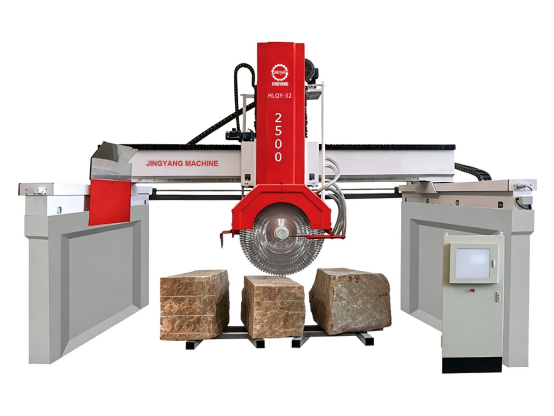
Key Factors Before Buying a Block Cutting Machine
Before asking for a quotation, prepare your production data. Suppliers can recommend a better configuration when they understand what you really cut every day.
- Block size and weight
Measure your normal and maximum block length, width, height, and weight. A block cutter machine that barely fits your largest block may cause loading difficulty, poor cutting stability, or safety issues. - Stone type and hardness
A marble block cutting machine and a granite block cutting machine may look similar, but granite usually requires stronger power, higher rigidity, better cooling, and a more stable cutting system. - Target slab thickness
If your factory produces export slabs, countertops, stairs, or project panels, the stone slab cutting machine must maintain thickness accuracy over long cutting cycles. - Daily production goal
Decide whether you need higher flexibility or higher volume. A heavy-duty stone block cutting machine for batch production should match your downstream polishing and finishing capacity. - Available factory space
Consider block loading, crane movement, slab unloading, water drainage, blade replacement, and maintenance access, not only machine footprint.
Marble Block Cutting Machine vs. Granite Block Cutting Machine
Marble is generally easier to cut than granite, but it still requires clean cutting and stable feeding to avoid cracks, chipping, or uneven slab surfaces. A marble block cutting machine should focus on smooth movement, accurate slab thickness, and efficient production.
Granite is harder and more abrasive. A granite block cutting machine needs more attention to structural strength, spindle stability, motor power, blade cooling, and long working-hour reliability. If your factory cuts both marble and granite, choose based on the harder material, not the easier one.
Selection Point |
Marble Production |
Granite Production |
Machine structure |
Stable and accurate |
Heavier and more rigid |
Power demand |
Medium to high |
High |
Blade requirement |
Clean cut, smooth surface |
Wear resistance and cooling |
Main risk |
Chipping or uneven finish |
Slow cutting, vibration, blade wear |
Buyer focus |
Speed plus surface quality |
Strength plus reliability |
The key is not simply buying the largest model. The machine must match your block size, stone hardness, blade specification, and desired output.
Single-Blade or Multi-Blade Stone Block Cutter
A stone block cutter can be configured for flexible cutting or high-volume slab production. The best choice depends on whether your factory handles mixed orders or repeated slab sizes.
A single-blade block cutting machine is often easier for custom dimensions and smaller batches. It gives more flexibility when the factory processes different stone colors, thicknesses, and order types. Multi-blade systems are better when the goal is faster repeated slab production from similar blocks.
Type |
Best For |
Main Advantage |
Possible Limitation |
Single-blade cutter |
Mixed sizes, custom orders |
Flexible cutting |
Lower batch output |
Multi-blade cutter |
Repeated slab sizes |
Higher productivity |
Less flexible for frequent changes |
Heavy-duty cutter |
Hard stone and large blocks |
Stronger cutting stability |
Higher investment |
Automatic cutter |
Larger factories |
Less manual operation |
Requires trained operators |
For factory owners, the practical question is: “Do I lose more money from slow output or from lack of flexibility?” The answer usually decides the machine type.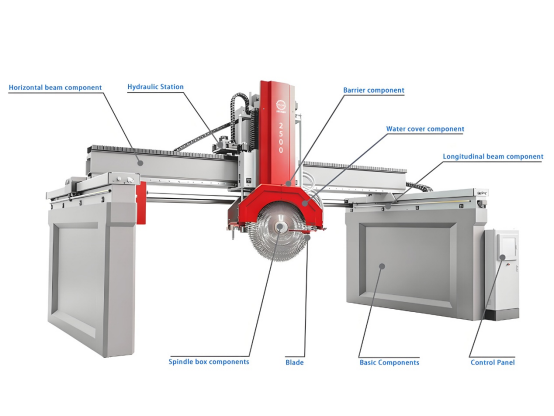
Check the Total Cost of a Stone Block Cutting Machine
The purchase price is only one part of the real investment. A cheap block cutter machine may cost more if it uses blades quickly, needs frequent repairs, or produces slabs that require extra correction.
When comparing a block cutting machine, calculate long-term production cost. Include energy consumption, water use, blade life, labor requirements, maintenance intervals, spare parts, and downtime risk. Faster cutting is valuable only when it does not create more breakage or unstable thickness.
A practical cost check should include:
- Cost per square meter
Estimate labor, blade, power, water, and maintenance cost for each square meter of slab. - Downtime cost
Calculate the value of one stopped day, especially during peak order season. - Rework and waste
Include losses from thickness error, broken slabs, poor surface quality, and delayed downstream processing. - Service response
Ask about remote support, spare parts availability, installation guidance, and operator training.
This is where experienced suppliers matter. A reliable manufacturer should help you compare production value, not just send a low quotation.
Common Mistakes When Choosing a Block Cutter Machine
Many buying problems happen before the machine arrives. The most common mistake is choosing a block cutter machine only by price or blade diameter, without checking whether it fits the factory’s real production flow.
Another mistake is ignoring the next process. If your stone slab cutting machine produces more slabs than your polishing line can handle, material will pile up. If it produces too slowly, workers and finishing machines wait. The best equipment choice is balanced with the whole line.
Other common mistakes include choosing a machine too small for actual block size, using marble assumptions for granite production, overlooking foundation requirements, underestimating blade cooling, and failing to train operators properly. Even a good machine cannot perform well if installation, water supply, and daily maintenance are poorly managed.
Jingyang Machinery and Your Block Cutting Machine Selection
Jingyang Machinery manufactures stone processing equipment for quarrying, cutting, polishing, CNC machining, and related applications. For buyers comparing a stone block cutter, this broader product experience is useful because slab production is rarely an isolated process.
Instead of promoting one standard block cutter machine for every customer, Jingyang Machinery can discuss block size, stone type, output target, workshop layout, and downstream processing needs. This helps buyers choose a machine configuration that fits real factory conditions. Its experience in stone machinery manufacturing, patent development, and global service support can also reduce uncertainty for overseas buyers.
Final Checklist Before Ordering a Block Cutter Machine
Before confirming the order, review the technical and commercial details carefully. A well-selected block cutter machine should answer these questions clearly:
- Can it handle your maximum block size and weight?
- Is the structure strong enough for your hardest stone?
- Can it reach your required daily slab output?
- Is slab thickness stable enough for your market?
- Are blades, spare parts, and service support easy to obtain?
- Does the supplier understand your whole production line, not only the cutting step?
If the answers are unclear, ask for a configuration review before paying the deposit. A few extra days of technical discussion can prevent years of production frustration.
To improve marble and granite slab output, choose a block cutter machine based on production capacity, stone hardness, cutting stability, and total operating cost. If you are planning a new line or upgrading an old block cutting machine, contact Jingyang Machinery for a practical configuration recommendation. Share your block size, stone type, and target daily output, and the team can help you find a suitable solution.