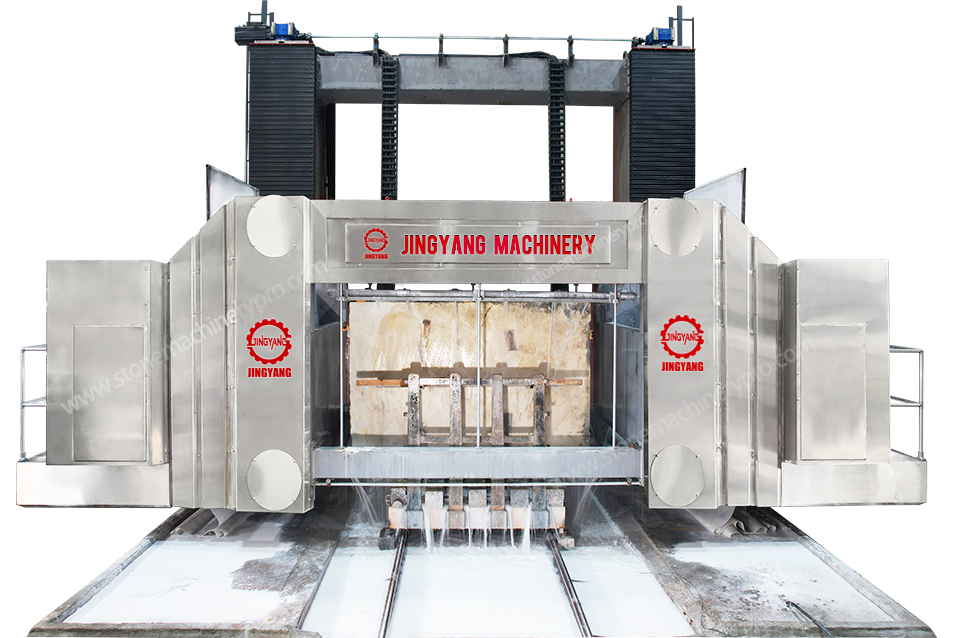
Is a Block Cutting Machine an Excellent Investment?
The right equipment can be the game-changer that either gradually grows a business or simply makes it struggle with increasing costs and unstable quality in today's competitive stone processing industry.In most cases, the block cutting machine is the one which has the biggest impact among all the stone processing equipment. Direct cutting accuracy, material yield, production efficiency, labor dependence, and long-term profitability are the primary sources that come from this one unit.
However, most of the stone factory owners, quarry operators, and project contractors still question the same thing: Is a block cutting machine worth the investment?
The goal is simple: help decision-makers understand what problems are solved by block cutting machines, how modern machines meet global standards, and why the supplier is as important as the machine.
Understanding the Role of a Block Cutting Machine
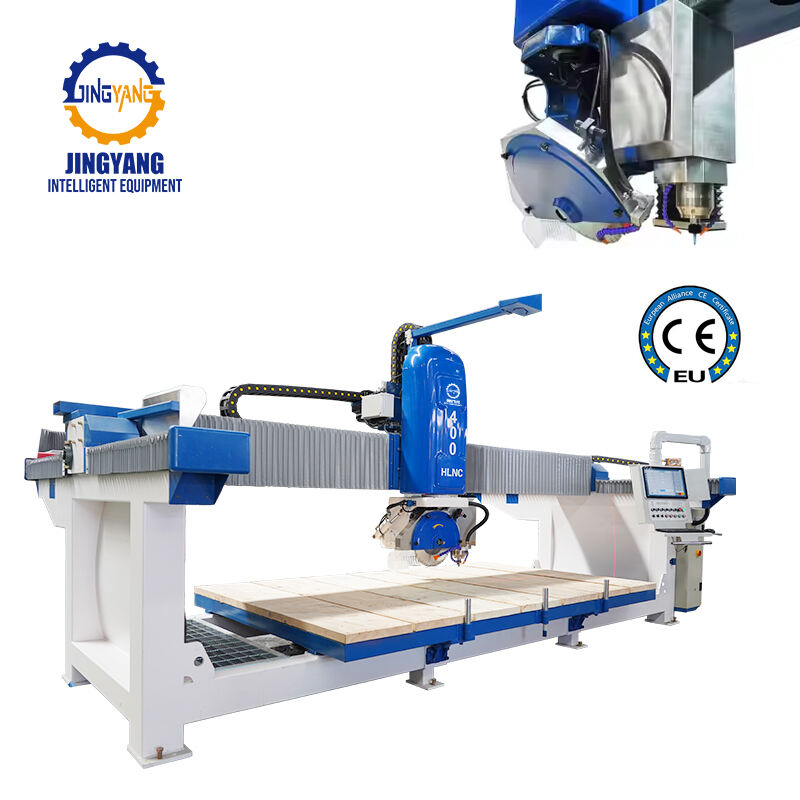
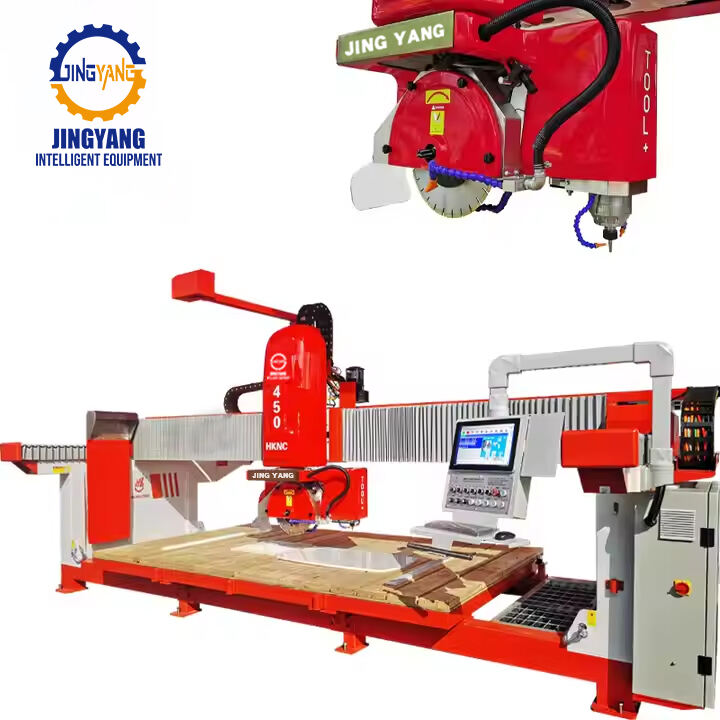
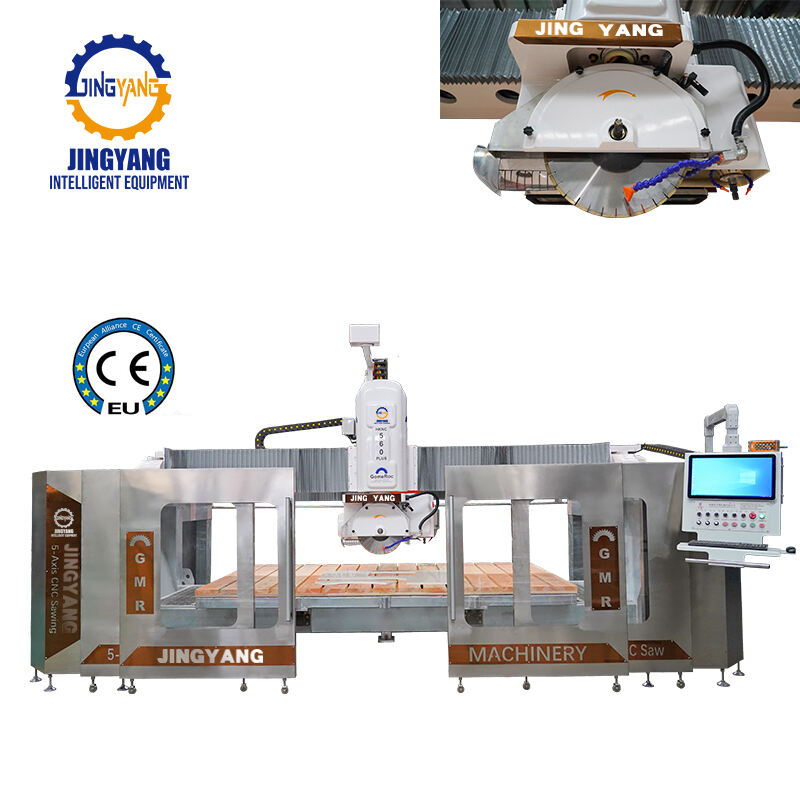
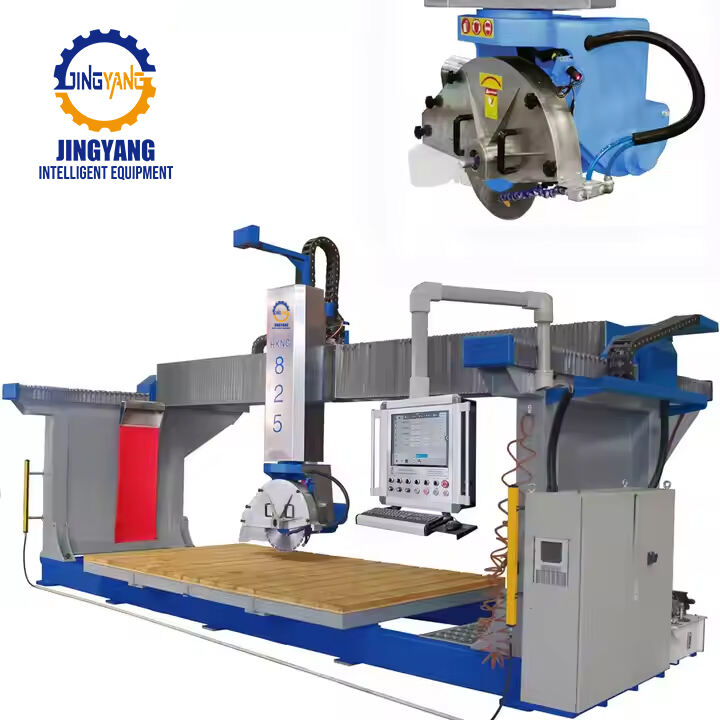
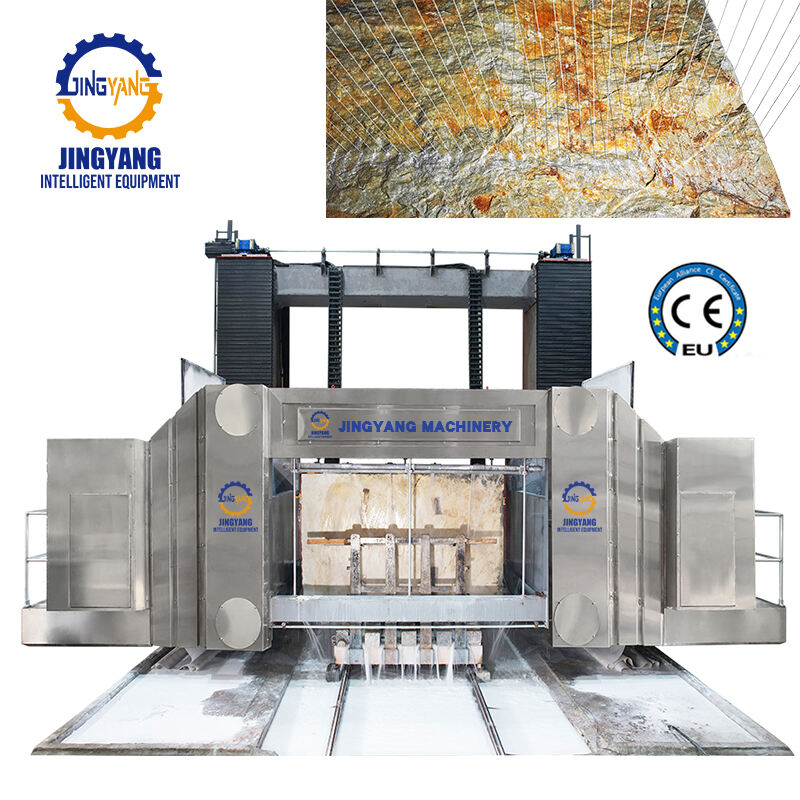
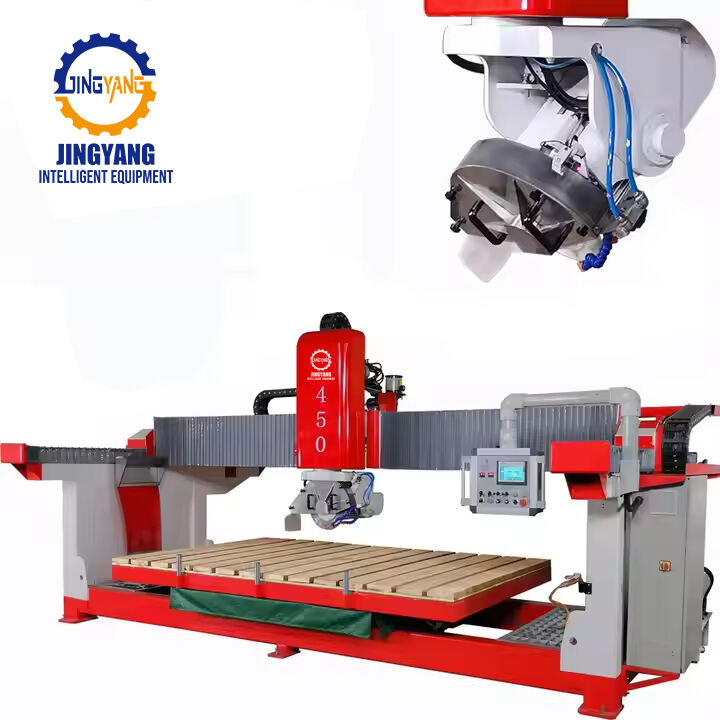
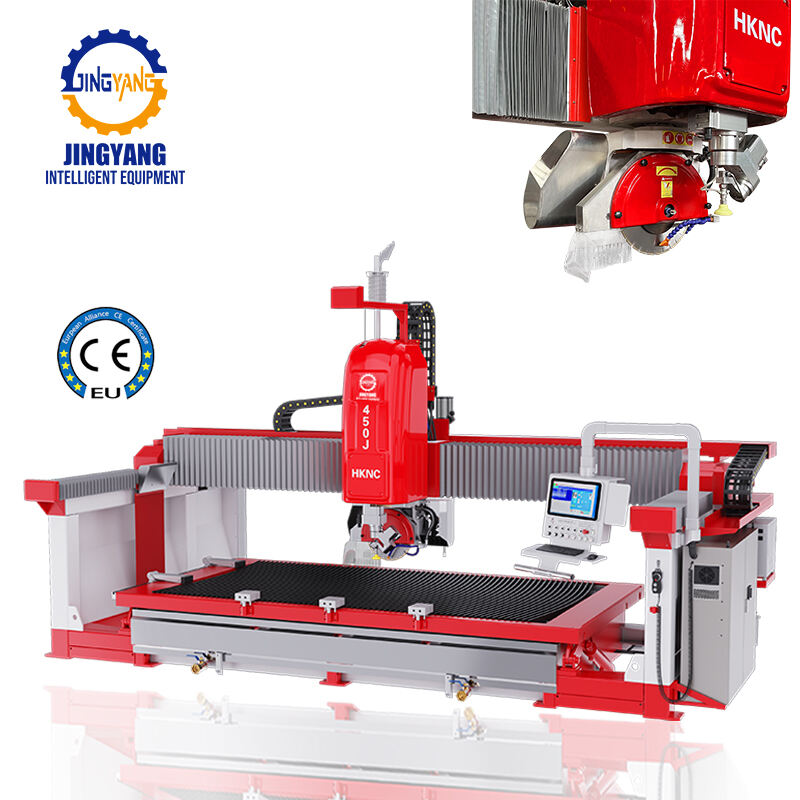
Block cutting machines are capable of cutting one large block of natural stone (granite, marble, limestone, quartz, and engineered stone) into several stone slabs of certain thickness and smooth surfaces. They are the first step hardware in a stone factory which gives off the polishing, edge-profiling, or CNC-reshaping processing.
Compared with manual and semi-automatic cutting devices, modern block cutting machines focus on:
- High dimensional accuracy
- Stable long-term operation
- Lower material waste
- Higher cutting speed
- Lower labor dependency
For businesses that deliver products to Europe and North America, besides consistency, safety, and compliance are also very important.
Major Industry Pain Points in Block Cutting
Even though technology has been improved, stone producers are still facing the same problems. These problems have made the question of what is the most appropriate block cutting machine so decisive.
1. High Material Waste and Low Yield
A block of natural stone is very expensive, and even a small cutting deviation can cause a significant loss. Most of the time, it is old machines that have unstable cutting paths, blade shaking, or irregular feed speed, thus cracks appear on the slabs, thickness is uneven, or stones are discarded.
2. Inconsistent Cutting Accuracy
If the thickness of slabs is not uniform, then problems arise at the next stages of the production line: polishing, calibration, and installation. Buyers from Europe and the U.S. pay great attention to uniformity, especially when it comes to architectural and commercial projects.
3. High Maintenance and Downtime
Frequently happening breakdowns, low-quality parts, and weak designs of the structure are the main reasons for an increase in the time that a machine is not in use. The instability of a machine impacts customer trust indirectly, which is very problematic for factories that run on a tight delivery schedule.
4. Labor Dependency and Safety Risks
If traditional machines are involved, highly skilled operators would still be needed for constant adjustments. This, in turn, increases labor costs and safety risks—two big problems in the West with strict labor and safety laws.
5. Lack of After-Sales Support
Not many buyers have in their experience situations where suppliers that sell machines to them do not provide the technical support, spare parts, and service solutions that they need, and they do it not in a timely manner.
What Customers Really Need from a Block Cutting Machine
The voice of customers as expressed by global buyers’ reviews, mainly in Europe and North America, can’t be more clear and concise:
- Cutting that is precise, repeatable, and continuous along long operating cycles
- Machine structures that are strong and resistant to deformation
- Advanced control systems that lessen operator errors
- Operation that uses less energy and keeps expenses under control
- Compliance with international safety and quality standards
- After-sales service that is not short-term and provided by a skilled manufacturer
This is the point where manufacturers such as JingYang stand out from the crowd.
How JingYang Addresses These Industry Challenges
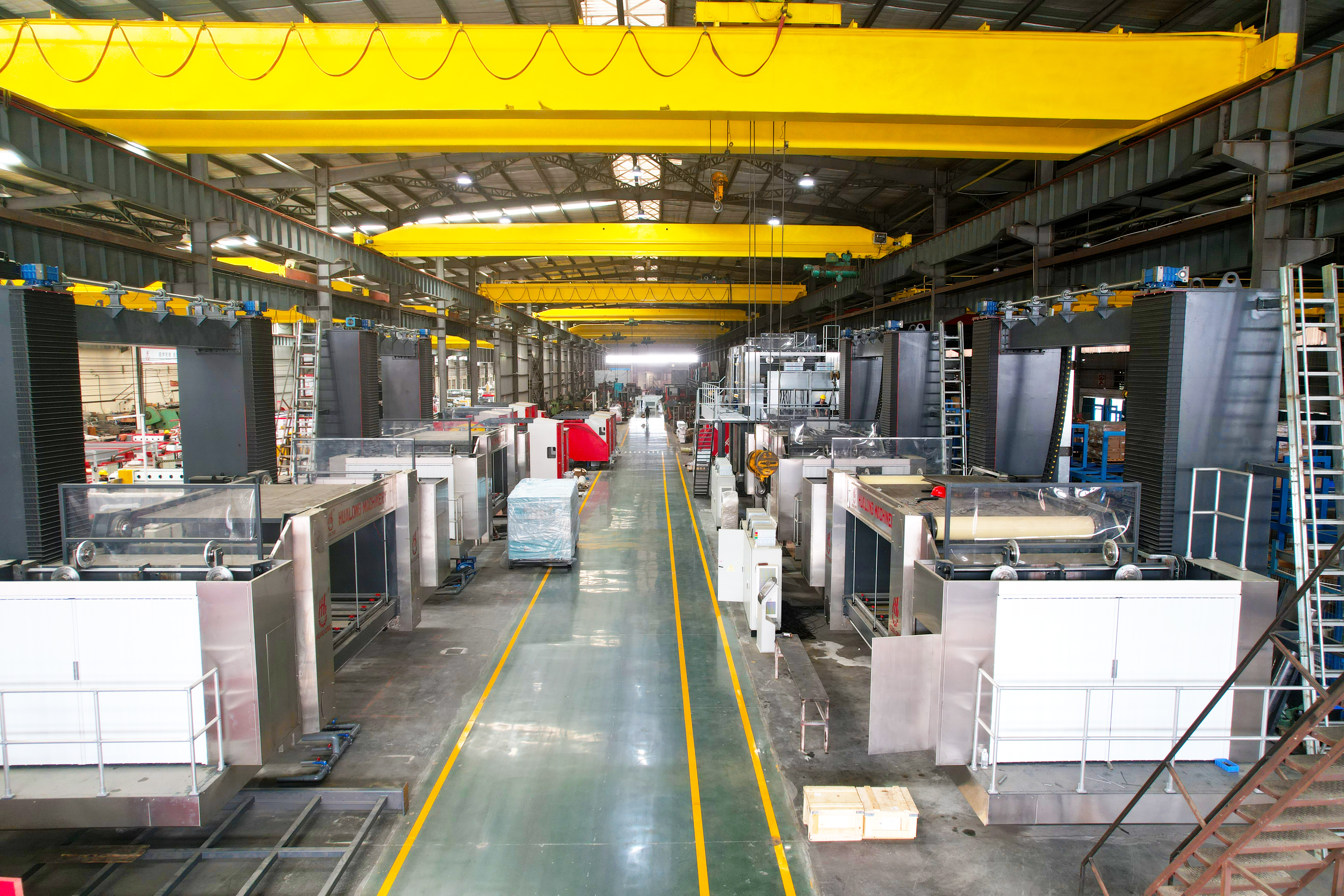
According to the profile available on the company’s website, JingYang has been involved in the creation of the stone industry machinery for over 35 years. The experience is the root of most of the solutions they provide regarding the problems mentioned above.
1. Structural Stability for Precision Cutting
The cutting of fixtures in the JingYang block cutting machines is done in a way that users get the confirmation that even under heavy cutting and large high standard density block the exactness is kept. This is verified by the additional support on the frame and the optimization of the mechanical structures.
2. Advanced Control Systems
The intelligent control systems that are implemented in the cutting units of JingYang help to regulate the feed speed, the blade positioning, and other parameters of the cutting thereby lessening human faults and output continuity assurance.
3. Strict Quality Control
According to the link https://www.stonemachinerypro.com/about-us, the company adheres to rigorous quality management systems and performs a wide range of tests before their products are shipped.JingYang employs strict quality control to lessen the problems associated with the early period and stage of machine use.
4. Focus on Long-Term Reliability
The focus of JingYang is not on short-term cost saving rather it is on things such as component durability, stable electric motors, and precision systems for transmissions which are the major factors for continuous industrial operation.
Real User Feedback: What Customers Say
"We had less variation in slab thickness after a block cutting machine of JingYang replaced our old one. As a result, the time during the polishing process was saved and the waste made smaller." - Marble Processor, Italy
"A machine that could meet CE requirements and perform reliably during long shifts was what we were thinking of. Besides the equipment, JingYang also brought the technical support." - Stone Factory Owner, Germany
"Maintenance costs are much lower and cutting accuracy is more stable when compared to our old device." - Granite Supplier, United States
The main idea that these testimonials share is stability, precision, and dependable service.
Typical Applications of a Block Cutting Machine
Block cutting machines are very widely used in different parts of the stone industry:
1. Architectural Stone Production
Essentially, their major application is the production of slabs for floors, walls, stairs, and facades of both residential and commercial projects.
2. Monument and Memorial Stone
The only guarantee is the cutting of pieces for gravestones, monuments, and customized memorial creations.
3. Countertop Manufacturing
The major technical feature of standard slab thickness which is achieved by using kitchen and bathroom countertops made from the U.S. market.
4. Large Infrastructure Projects
The flatness of the stone is what the quality of those materials used in airports, public buildings, and transportation hubs with strict quality standards, depends on.
Why Experience Matters More Than Price
Most buyers find cheap block cutting machines very appealing. However, according to the experience, less costly machines tend to:
- have higher maintenance costs
- have lower productivity
- have poor cutting accuracy
- have limited technical support
The long-term existence of JingYang in the field is an indication that a machine that is well designed should rather be regarded as an investment than a cost. More often than not, the reliable performance of the machine during many years of operation is way more valuable than the difference in the initial price.
Cooperation and Long-Term Partnerships
JingYang prefers long-term cooperation to one-time sales. Apart from that, the company works with distributors, contractors, and stone workshops worldwide and offers them the following services:
- Technical consultation before the purchase
- Differentiated solutions for different types of stone
- Installation support and training
- Uninterrupted technical support
The partnership-oriented approach that the company uses is highly valued e.g. by customers from Europe and North America who consider service trustworthiness as their number one priority.
Frequently Asked Questions (FAQ) – From EU & US Customers
Q1: Is a block cutting machine suitable for both marble and granite?
Certainly, a block cutting machine which is properly engineered can perform the 4 tasks of cutting marble, granite, limestone, and engineered stone, if at the same time it uses proper blades and parameters.
Q2: How important is machine rigidity?
There can be only one answer to that: Machine rigidity is extremely important for the following reasons: cutting accuracy is assured, vibration is diminished, and the life of a blade is prolonged.
Q3: What certifications should I look for?
If you are targeting markets in the EU and USA, obtaining CE certification along with conforming to ISO standards are the main things to consider.
Q4: How long does a block cutting machine typically last?
It will be able to function in a reliable way for a good number of years if it is well maintained and has quality parts.
Q5: Is after-sales service really necessary?
Yes. Among other things that are necessary for reducing downtime to the minimum, there should be technical support, spare parts availability, and the troubleshooting process.
Final Thoughts: Is a Block Cutting Machine Worth It?
The decision whether to have a block cutting machine or not is quite clear: it is a yes (if it is the right machine from the right manufacturer that you choose).
An outstanding block cutting machine changes the cutting accuracy, the machine uses less material, safety is improved, and overall productivity goes up. When such a machine is combined with the experience, technical capabilities, and service philosophy of a company like JingYang, it becomes a long-term asset rather than a short-term liability.
An investment in a reliable block cutting machine is not only a good idea but absolutely necessary for sustainable growth of stone processors who want to meet the requirement of the European and North American markets.

 EN