Waterjet Cutters for Sale | 5-Axis CNC Stone & Metal Cutting

Get a Free Quote

Our representative will contact you soon.
Email
WhatsApp
Name
Company Name
Message
0/1000
Key Advantages of Waterjet Cutters for Sale

Key Advantages of Waterjet Cutters for Sale

Waterjet cutters for sale can support fabrication shops, stone processors, and metal service centers that need precise cutting without heat affected zones. In typical setups, abrasive waterjet systems cut materials from 0.5 mm to over 150 mm thick, depending on pump pressure and abrasive flow. Many workshops report reduced secondary finishing because edges are clean and burr free. A representative job shop using a 5-axis system may nest parts more efficiently and lower material waste by around 10 to 20 percent in suitable layouts.
Get A Quote

Case Study

Stone Fabrication Shop Cutting Marble and Granite

A stone fabrication shop may use a waterjet cutter to shape marble, granite, and engineered stone for countertops, cladding, and architectural features. The abrasive jet can follow complex templates and produce tight radii without chipping heat sensitive surfaces. In a typical production cell, a 3,000 bar pump with a 0.8 mm nozzle may cut 20 mm granite at around 500 to 900 mm per minute, depending on abrasive feed and desired finish. This helps reduce manual grinding and improves layout flexibility.

Metal Service Center Processing Thick Plate

A metal service center may invest in waterjet cutters for sale to process stainless steel, aluminum, and titanium plate without thermal distortion. Because the process is cold cutting, material properties remain stable and post weld preparation is often simpler. A representative 5-axis system with 4,000 bar pressure can cut 50 mm stainless steel at speeds that vary with abrasive flow and edge quality targets. For job shops handling mixed orders, this flexibility can reduce setup time and improve delivery reliability.

Architectural Workshop Producing Decorative Panels

An architectural workshop may choose waterjet cutters for sale to create decorative metal screens, inlays, and signage. The technology handles intricate patterns, small holes, and mixed materials in one setup. In many projects, nesting software and abrasive jet cutting help lower scrap rates compared with sawing or plasma for complex shapes. A typical 2D system with 3,000 bar pressure can cut 6 mm brass or copper at moderate speeds while preserving surface finish. This supports faster prototyping and consistent batch production.

Recommended Products

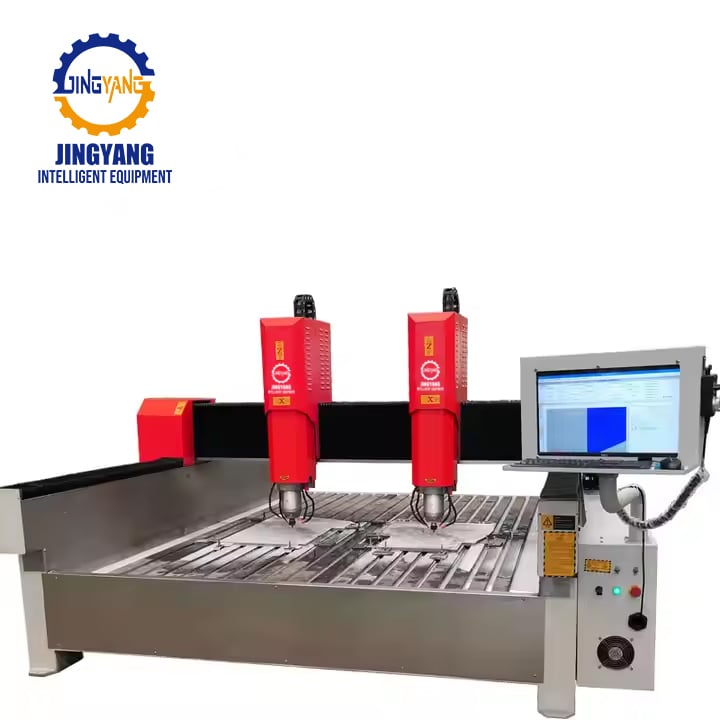
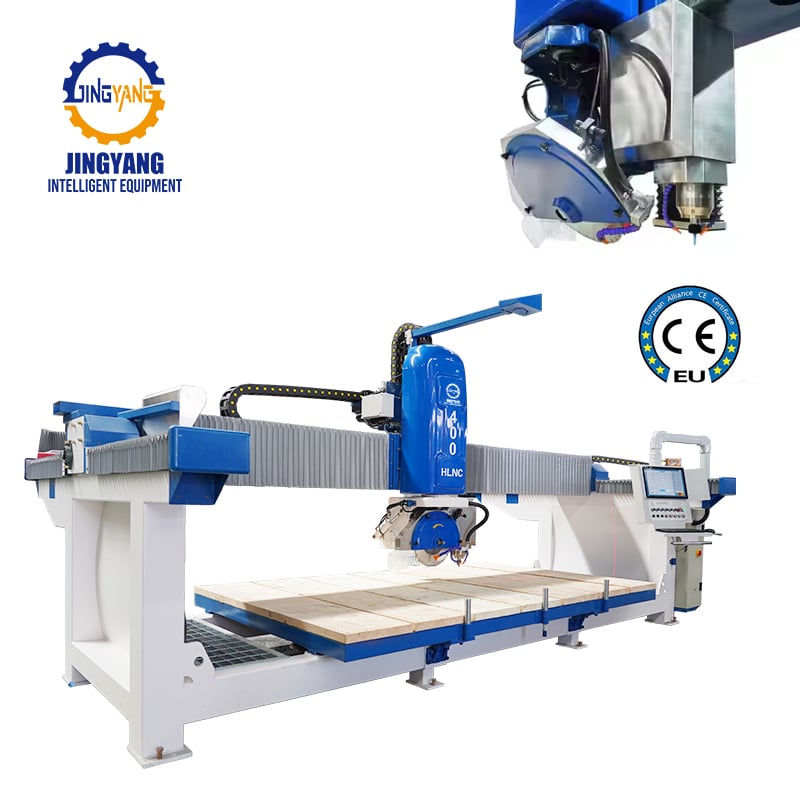
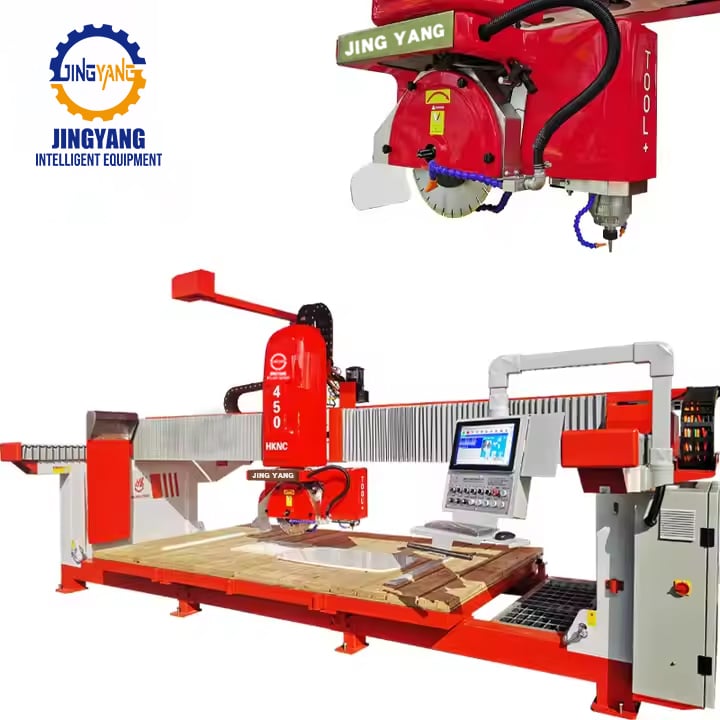
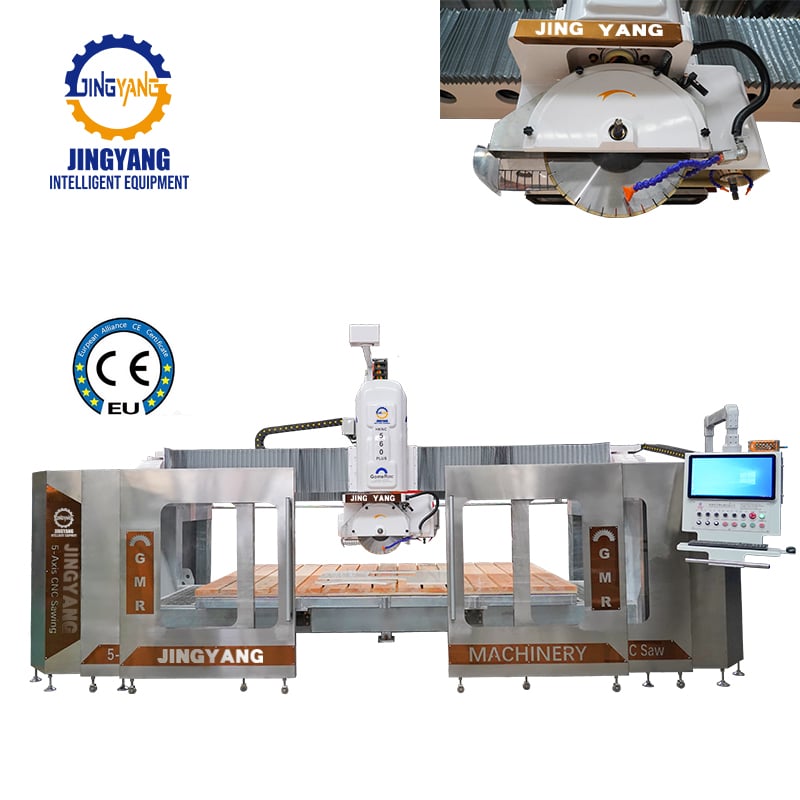
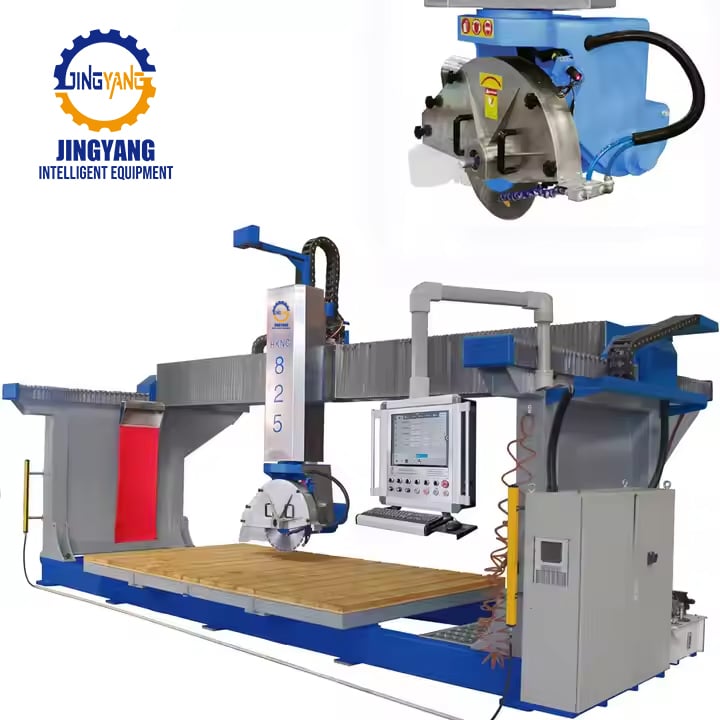
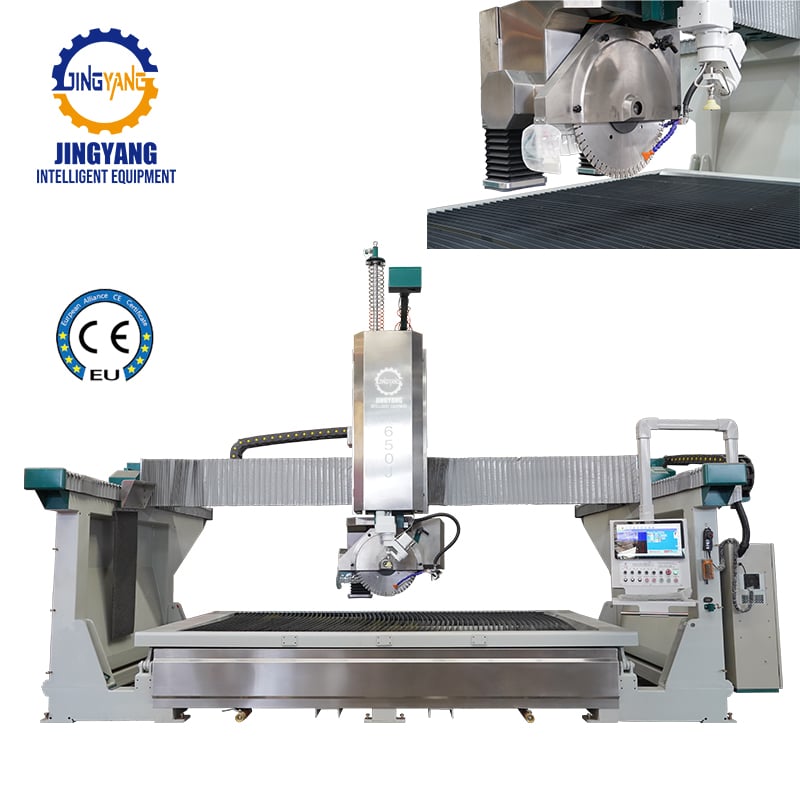
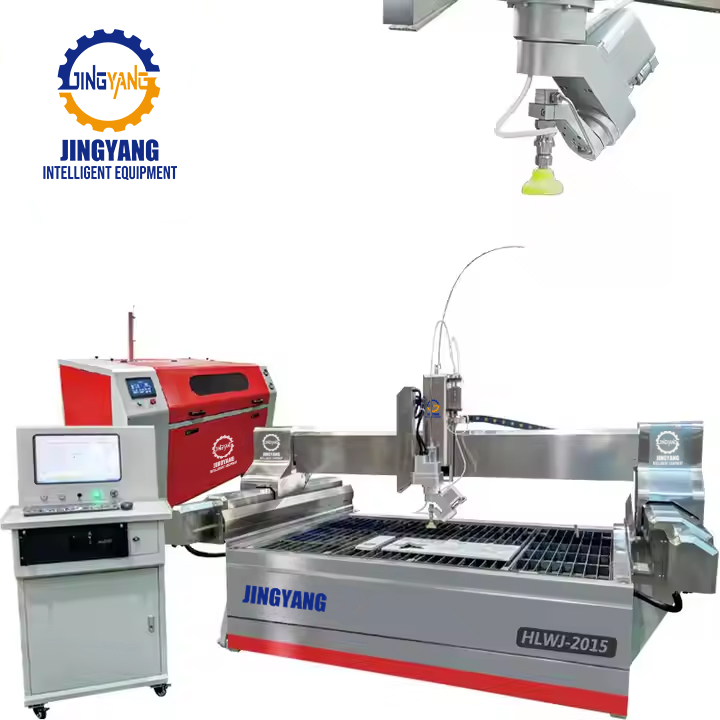
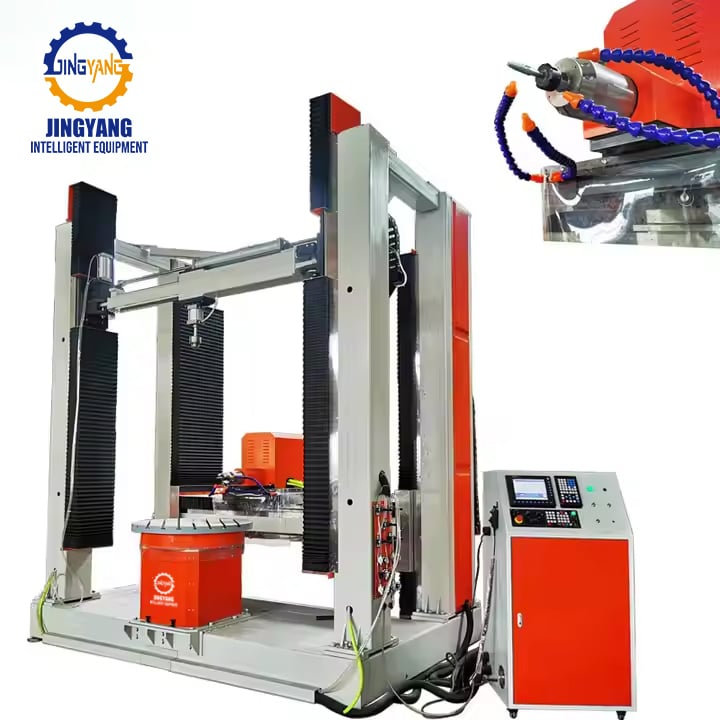
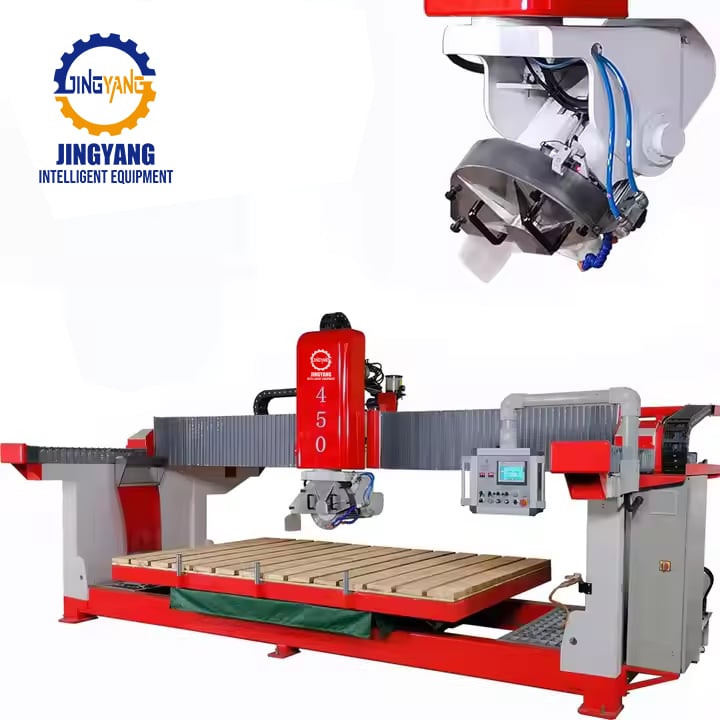
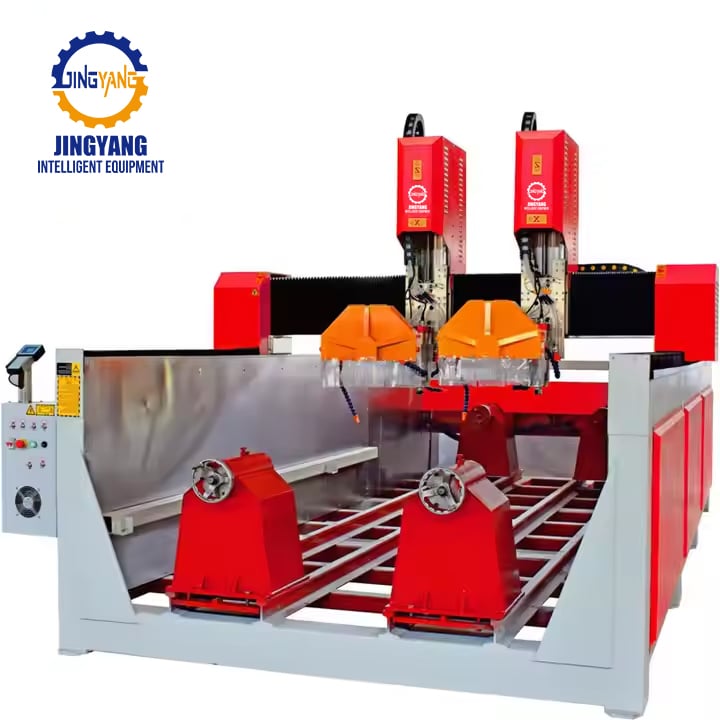
For buyers evaluating waterjet cutters for sale, the decision often comes down to pump pressure, cutting envelope, control software, and after sales support. Waterjet cutting uses a high pressure stream of water mixed with abrasive to cut metals, stone, glass, composites, and ceramics without heat affected zones. Typical systems range from 3,000 to 6,000 bar, with 3 axis and 5 axis configurations available for flat sheets and complex 3D parts. Stone Machinery Pro focuses on practical machinery solutions for fabrication shops, stone processors, and metal service centers. The product range includes bridge saws, CNC routers, and waterjet systems designed for stable production. For workshops comparing suppliers, key checks include pump brand, servo motor quality, software compatibility, and spare parts availability. A well matched system can improve nesting efficiency, reduce secondary finishing, and support diverse order types. To review current options, visit waterjet cutters for sale and compare specifications for your material mix and production volume.
Frequently Asked Questions

What materials can waterjet cutters process?

Waterjet cutters process metals, stone, glass, ceramics, composites, plastics, and many other materials. Capacity depends on pump pressure, abrasive flow, and speed targets. In many workshops, one machine handles mixed orders, reducing the need for multiple cutting processes. Material hardness affects speed rather than feasibility, so hard alloys and delicate materials can often share the same setup.
Thickness capacity varies by material, pump pressure, and edge quality requirements. Many industrial systems cut 20 mm stainless steel, 50 mm aluminum, and 100 mm stone in production settings. Higher pressure and slower speeds can extend range for selected jobs. For accurate quotes, buyers should share material type, thickness, and desired finish with the supplier before ordering.
Buyers should compare pump pressure, cutting envelope, control system, servo quality, and after sales support. Spare parts availability and technician training also affect long term uptime. It helps to request sample cuts with your own materials. A supplier that provides clear specifications and realistic production estimates is often safer than one promising unusually low prices.
Yes. Waterjet cutting is a cold cutting process, so it does not create a heat affected zone. This helps preserve material properties, reduce distortion, and simplify secondary operations. Metals, composites, and heat sensitive materials often benefit most. Edge quality still depends on speed, abrasive selection, and machine calibration, so sample testing remains important.
Common industries include stone fabrication, metal service centers, aerospace suppliers, architectural metalwork, automotive prototyping, and sign making. Each sector values different benefits, such as edge quality, material flexibility, or fast setup. Many job shops use waterjet systems to handle mixed materials and complex shapes that would be difficult with sawing, plasma, or laser alone.

Blog

Jingyang Machinery illustrates the latest technology on sawing at Xiamen International Stone Fair 2025.

28

Oct

Jingyang Machinery illustrates the latest technology on sawing at Xiamen International Stone Fair 2025.

View More
Revolutionary Hybrid Laser-Waterjet Cutting Improves Accuracy and Production Speed.

04

Sep

Revolutionary Hybrid Laser-Waterjet Cutting Improves Accuracy and Production Speed.

View More
5-Axis Diamond Blade Cutters Penetrate Smart Manufacturing.

04

Aug

5-Axis Diamond Blade Cutters Penetrate Smart Manufacturing.

View More

Customer Feedback on Waterjet Cutters for Sale

Carlos Rivera

In our workshop, the waterjet system has become the main tool for mixed orders. It handles stainless steel, aluminum, and stone without changing setups often. Edge quality is generally good enough to reduce grinding time, and nesting software helps lower scrap in many jobs. Setup is straightforward after training. Maintenance is manageable when the pump and abrasive system are checked on schedule. For shops with varied materials, this flexibility has been a practical advantage.

Emily Chen

We compared several waterjet cutters for sale before choosing a 5 axis model. The machine cuts 20 mm stainless and 40 mm aluminum reliably when parameters are matched to the job. The control software took some training, but operators now handle complex parts with fewer manual steps. Delivery and installation were completed within the agreed schedule. Spare parts support has been responsive. Overall, the system fits our mix of custom work and small batch production.

Get a Free Quote

Our representative will contact you soon.
Email
WhatsApp
Name
Company Name
Message
0/1000
Cold Cutting Process Protects Material Properties

Cold Cutting Process Protects Material Properties

Waterjet cutting uses a high pressure water stream and abrasive particles to erode material without heat. This cold cutting action helps avoid heat affected zones, distortion, and changes in hardness that can occur with thermal processes. For stainless steel, titanium, composites, and heat treated alloys, this can reduce secondary processing and preserve part geometry. In many workshops, the ability to cut mixed materials on one machine also lowers setup time and improves scheduling flexibility for custom orders.
Flexible Cutting for Mixed Materials and Shapes

Flexible Cutting for Mixed Materials and Shapes

A waterjet system can cut metals, stone, glass, ceramics, and composites using the same platform. Complex contours, tight radii, and small holes are possible without custom tooling. For job shops and architectural workshops, this flexibility supports quick changeovers between projects. Nesting software can improve material usage, while 5 axis options add bevel and 3D cutting capability. The result is a single system that can handle varied order types and reduce the need for multiple cutting machines.
Lower Secondary Finishing and Material Waste

Lower Secondary Finishing and Material Waste

Waterjet cutting often produces clean edges that require less grinding or polishing than plasma or saw cutting. When paired with nesting software, the process can improve sheet utilization and reduce scrap in many production layouts. This matters for expensive materials such as stainless steel, titanium, and stone. Shops may also reduce labor time spent on secondary operations and rework. Actual results depend on material, thickness, abrasive selection, and operator skill, so sample testing and parameter tuning remain important.