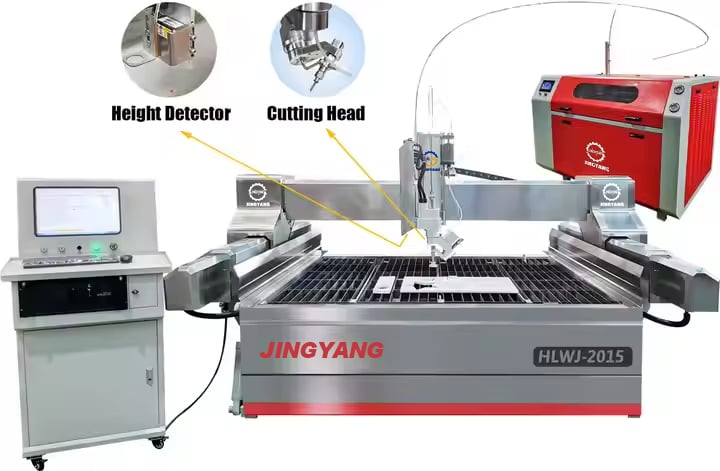
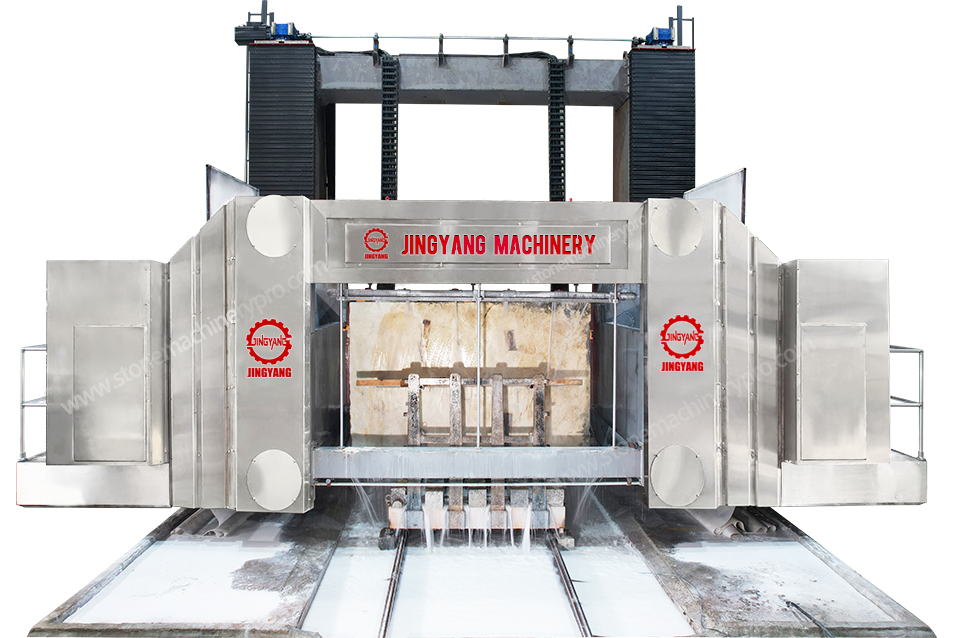
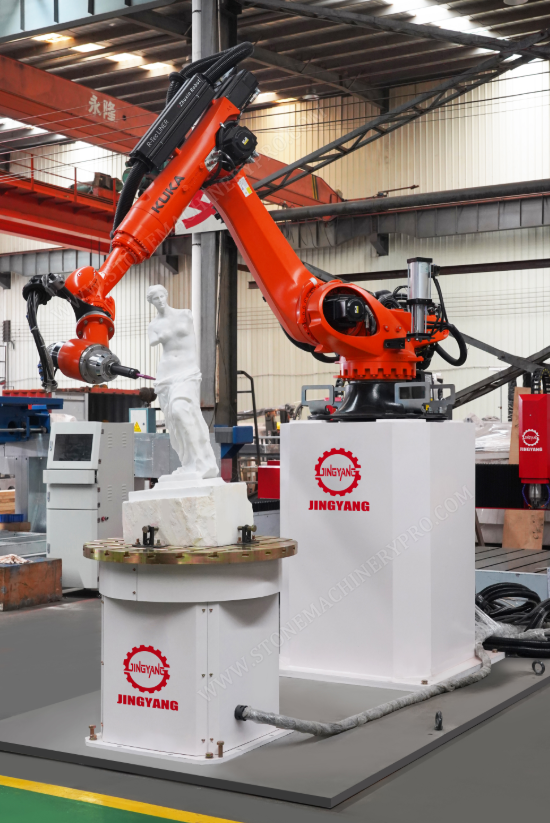
Deciding on the right stone carving machine is extremely important to the players of the stone industry such as stone workshops, sculptors, architectural firms, and industrial fabricators. labor cost is always growing, precision is ever more demanded, and the consumption of time in order to finish a project must be reduced – these professionals mainly in Europe and North America, are still calculating whether the investment in a stone carving machine is worth the expense or not.
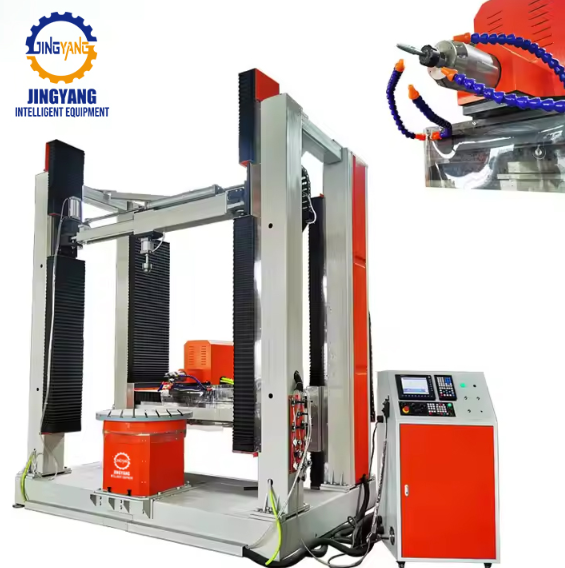
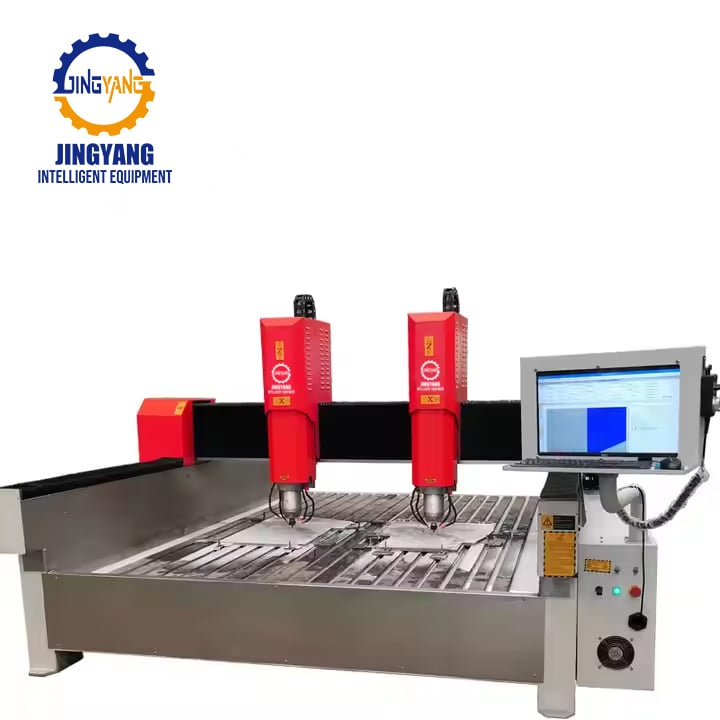
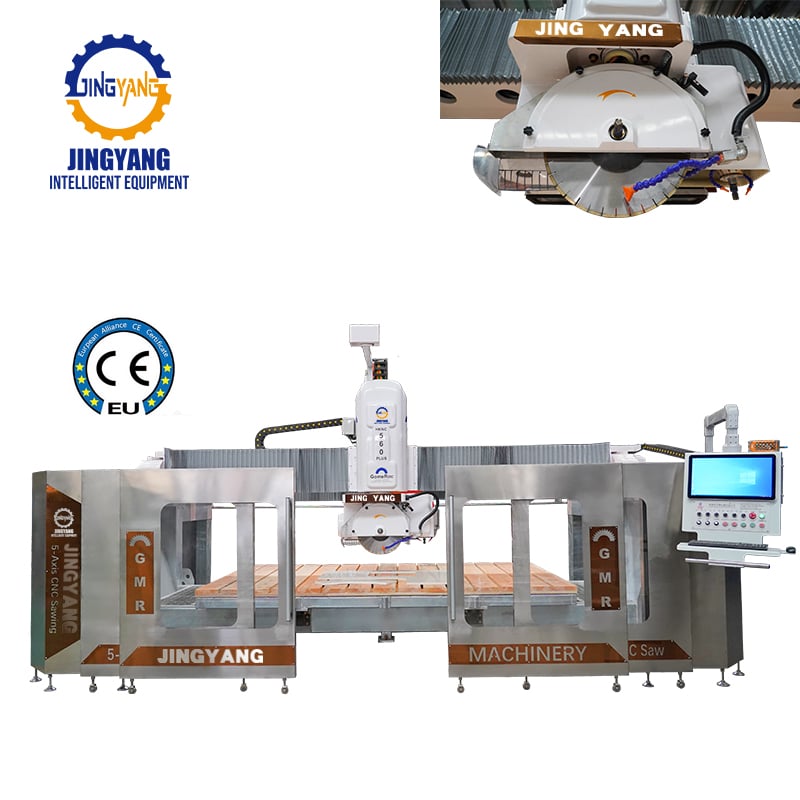
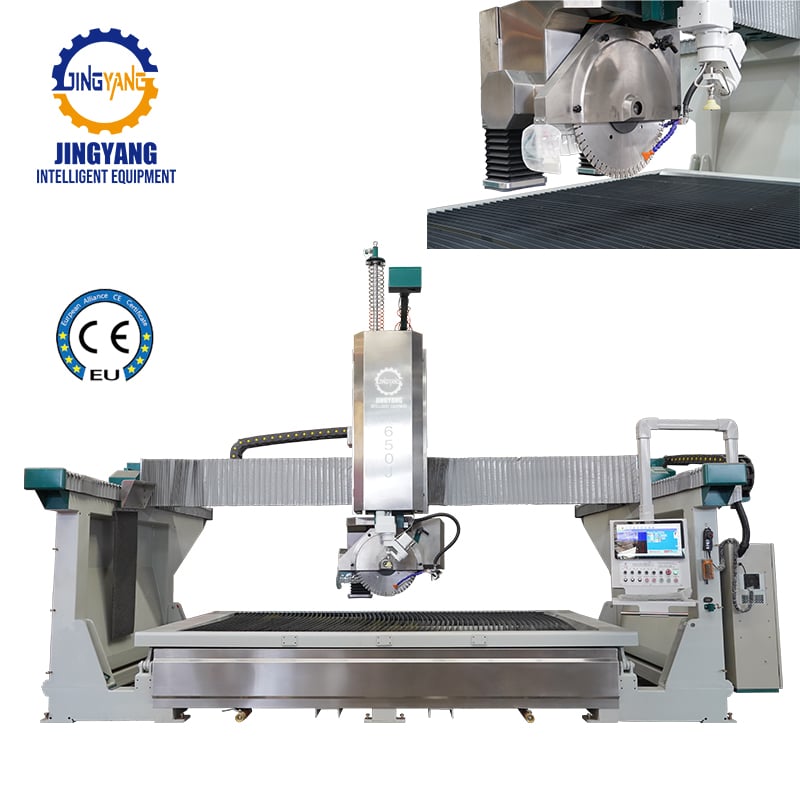
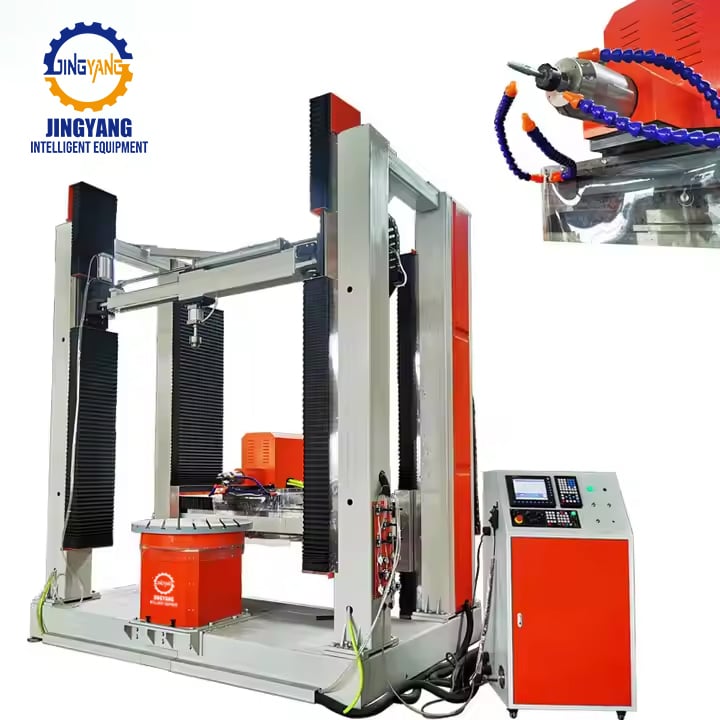
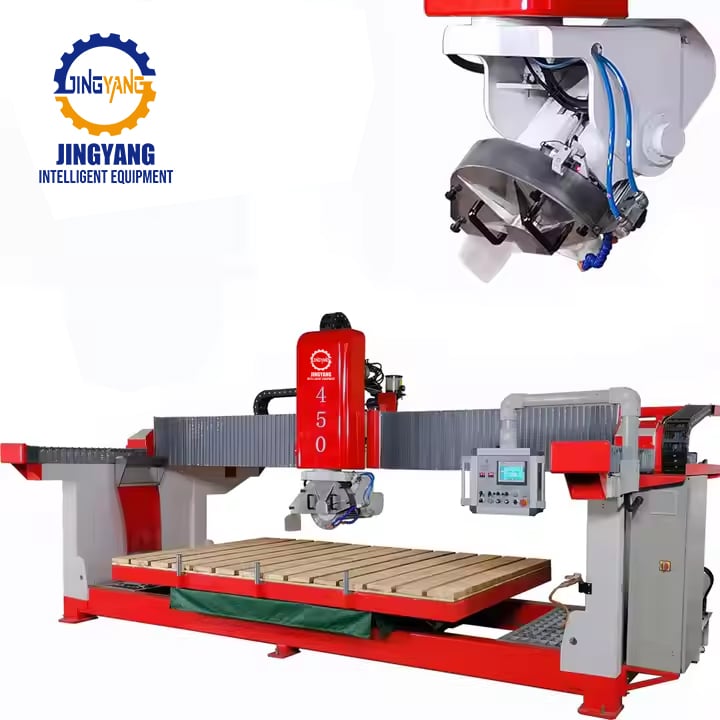
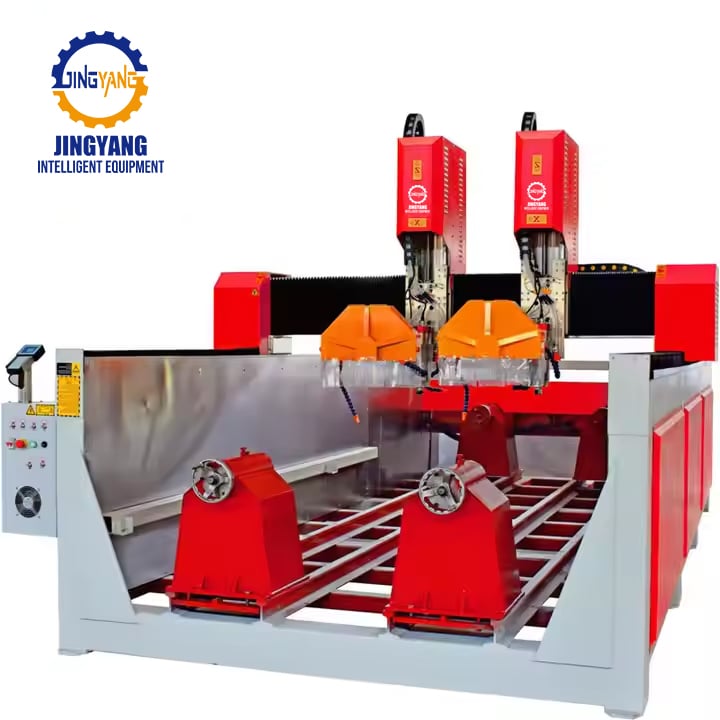
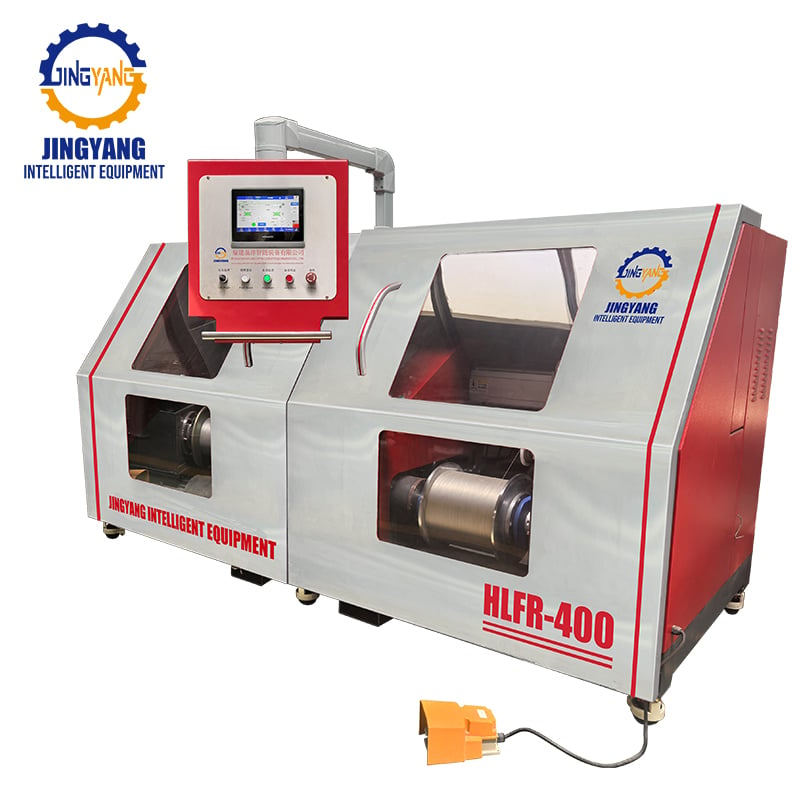
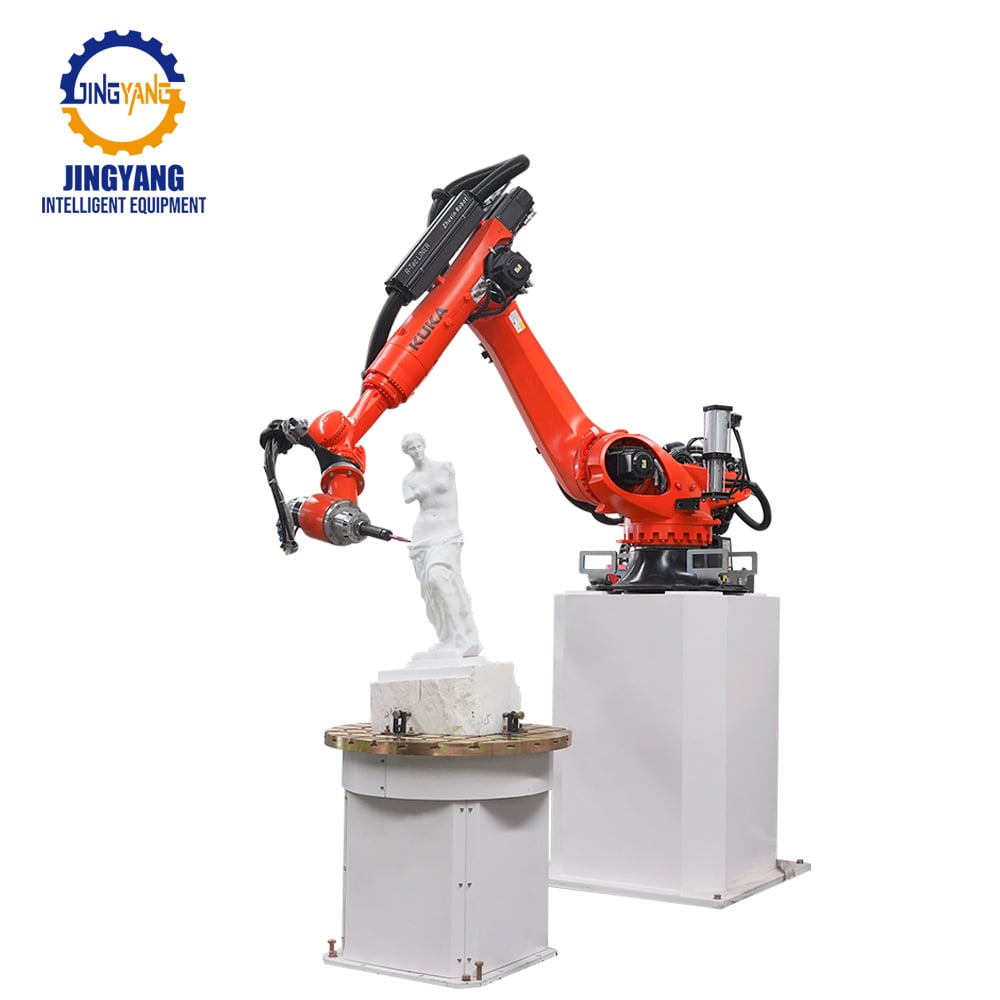
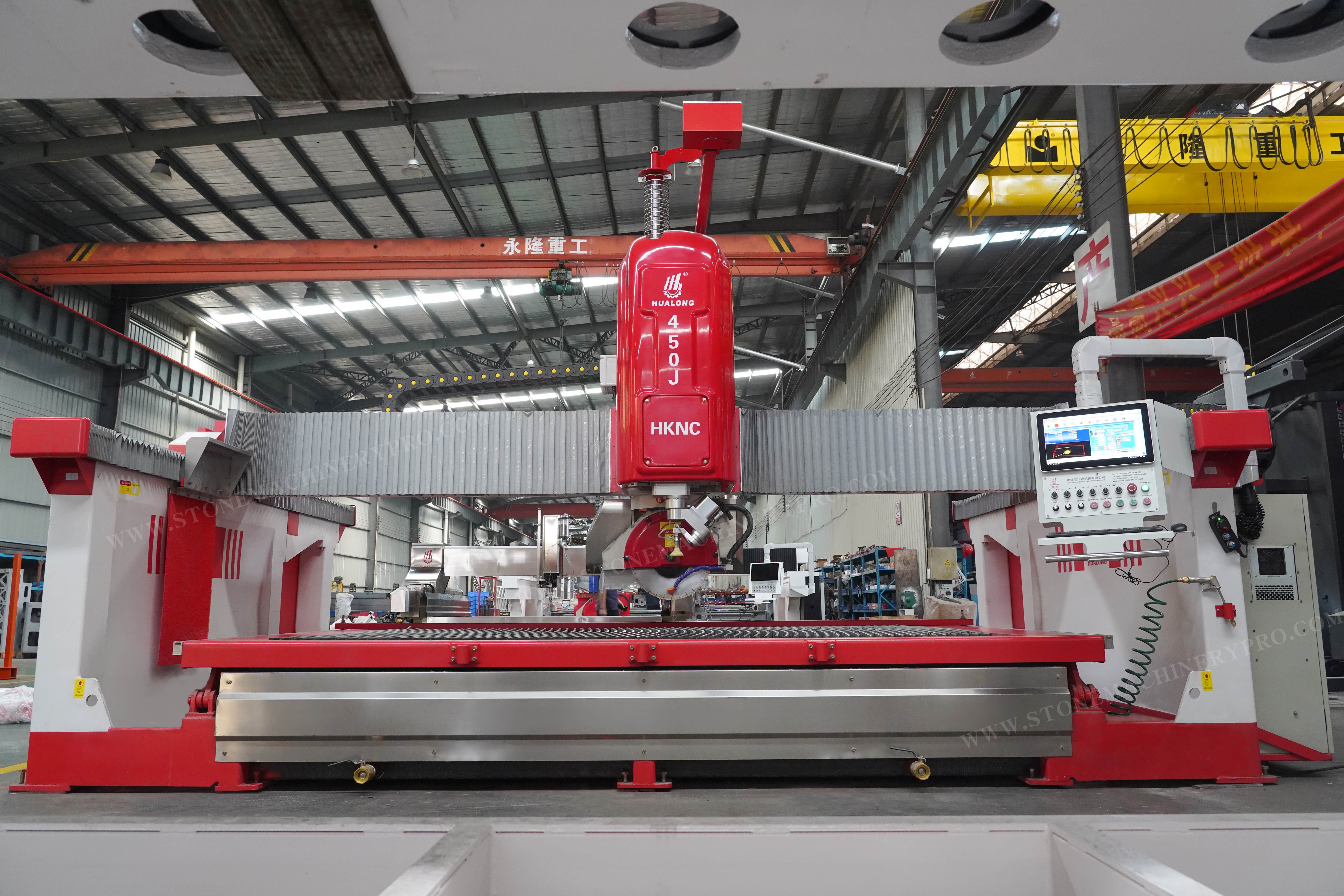
A stone carving machine means a CNC-controlled system that can be utilized for the shaping, drawing, and carving of stone materials such as granite, marble, limestone, and quartz. The traditional hand carving method has been supplanted with a new technology that involves multi-axis movement, precision spindles, and an advanced software to carry out the complex design with high repeatability.
This type of equipment has become, in the past few years, totally indispensable for companies in the US, Germany, Italy, France, and the UK. It's the machines that rapidly influence profit margins, quality standard, and the time of delivery.
Stone processors in Europe and North America are sometimes compared to see what challenges they have and it turns out that they are very similar:
By combining automation and precision, a stone carving machine can address all these problems. According to the industry feedback, these companies who have started using the CNC stone carving technology report a 30-50% production time reduction while at the same time they achieved a significant decrease in material waste.
One can only ask the question whether he/she should invest in a stone carving machine if he/she is aware of the manufacturer behind the product.
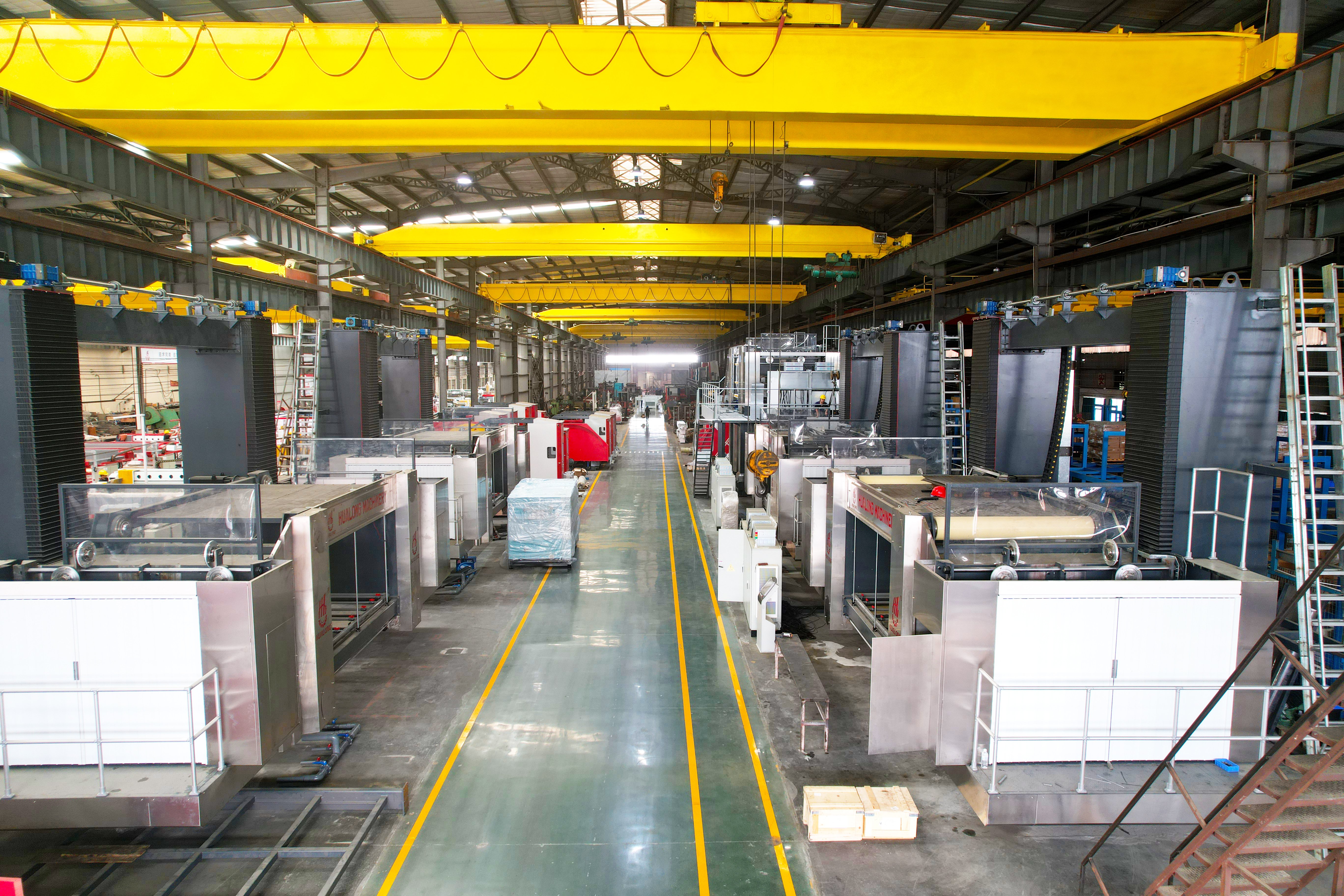
More than 35 years of experience has paved the way for JingYang through StoneMachineryPro to become a leading manufacturer of stone machinery. To ensure that the equipment would be highly reliable over time, the company that is deeply involved and highly critical of its processes has only one system that integrates R&D, production, sales, and after-sales service.
Their company profile points out the following:
Such a mature level of manufacturing is something that directly affects the lifespan, accuracy, and the service support of the machine which are the main concerns of Western buyers.
Stone carving macines usage is most considerable in the decorative elements like columns, facades, relief walls, balustrades, and decorative panels for commercial and residential buildings.
Artists and public art contractors are in the same way leading stage users of CNC carving as they are chern complex forms, thus saving hundreds of labor hours and hand finishing will be much smoother.
A stone carving macine can make it possible to do the works of the sharp lettering, portraits, and 3D reliefs very accurately on granite and marble.
In other words, fireplaces, countertops, stone furniture, and luxury interiors are elevated to the new level of refinement by the help of consistent engraving depth and symmetry.
"In just six months, our production was doubled after we replaced two manual carving teams with just one CNC stone carving machine." -Industry Fabricator, Italy
"Precision and repeatability are what convinced us. We are able to get our final product to perfectly match our CAD file every time." -Architectural Supplier, Germany
"This wasn't just about technical support; JingYang's remote diagnostics and spare parts support really made the difference." -Monument Manufacturer, USA
These are not only the lines supporting the performance of the machine but revealing the whole picture of manufacturer support, a very essential E-E-A-T signal, which undoubtedly plays a very important role in the decision of these buyers from overseas.
If someone were to say that a high-end stone carving machine is something very cheap, that person would be lying. However, the buyers from the West have always been very firm in their approach to the total cost of ownership instead of just the initial cost of the purchase.
Return on investment usually takes between 18 to 36 months for quite a number of medium-sized stone workshops which can be explained by the workload and the extent of their application.
Over the years, JingYang has been having long-term collaborations with distributors, stone factories, and engineering firms in
The partnerships opened doors to benefits of local service support, operator training, and quick spare parts delivery, these three obvious reasons which indeed, make the overseas buyers' decision much easier.
Certainly not. The most recent models have very intuitive CNC software. Most of the operators can get used to the machine in 7-14 days of their training period.
Indeed it can. One can turn granite carving into a daily routine simply by having the right spindle power and tooling.
There is nothing complex about regular and routine maintenance. Well-known and trusted manufacturers like JingYang always provide remote technical support with clear maintenance schedules/plans.
Definitely. Changes can be made to the axis configuration, table size, spindle power, and software to suit your specific requirements.
Yes, because in many small models the solutions have been specially developed for small to mid-sized workshops.
It is 'yes' to such a question when a business intends to become super accurate, efficient in the use of their resources, and capable of a steady growth.
Stone carving macine should be seen first and foremost as a strategic move rather than a mere necessity. On top of that, by improving product quality, it even makes the next step of delivery acceleration and market positioning, especially in the challenging markets of Europe and North America, much easier.
JingYang, a well-known manufacturer, supports the sellers with its worldwide after-sales service networks, thus making it very easy for the clients to say yes to the purchase of a suitable stone carving macine that will not only transform the way stone businesses are run but also their growth prospects.
Stone carving macine is a never a cost but an asset, not even in the short-term if employed as a work efficiency maximization tool.