
 EN
EN



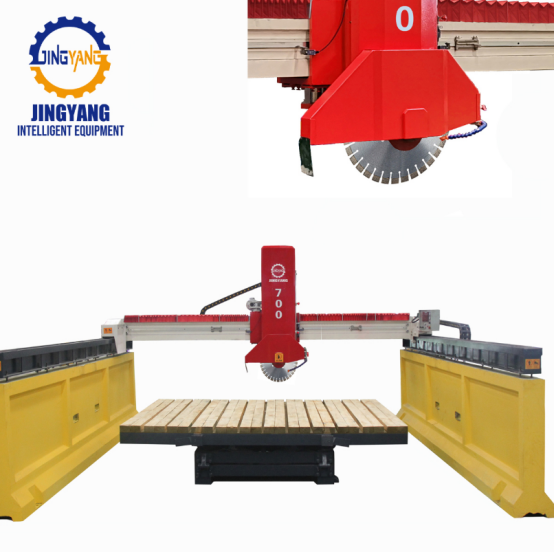
A Marble Stone Cutting Machine Lives or Dies by Setup Discipline
A marble stone cutting machine can look identical on two factory floors and behave like completely different equipment. The stone, blade, and feed setting may match, yet one machine leaves clean edges and a steady current load while the other produces chipped corners, wavy cuts, and frequent blade changes. The difference usually comes down to setup discipline, not brochure horsepower. Marble is mostly calcite, so it scratches easily but fractures along weak planes. It does not respond well to heat, vibration, or uneven pressure. A machine pushed too hard may cut fast for a few minutes, then glaze the diamond segments or spall the slab edge. Checking alignment, coolant delivery, blade tension, and guide clearance usually pays off before buying a bigger motor.
Blade Geometry and Segment Bond Decide How the Cut Behaves
Blade selection is where many cut quality problems begin. A blade that works well on hard granite can be a poor match for marble. Marble tends to wear diamond bonds slowly, so a bond that is too hard may never expose fresh diamond. A bond that is too soft can release diamond too quickly and lose segments under side load. Diameter, segment width, core flatness, flange condition, and runout all matter. If runout is high, the cut carries a rhythmic mark that polishing may not remove. Across standards bodies, the same field truth appears: blade tension, flanges, and guards are part of the cutting system, not optional extras. For a marble stone cutting machine, blade choice changes as the stone lot changes.
Coolant Flow, Slurry Removal, and Thermal Cracking
Coolant does more than keep the blade wet. It flushes abrasive slurry, controls friction, reduces dust, and carries heat away from the segment. A dry spot at the entry point can cause thermal cracking before the operator hears a change in sound. Slurry that recirculates under the blade acts like loose grit, scratching the surface and dulling the edge. Nozzle aim, pressure, filtration, and drainage decide whether the cut stays stable. Oversized pumps and worn nozzles can leave the diamond starved.
Condition |
Symptom |
Effect on cut quality |
Correction |
Coolant late |
Sparks, dry dust |
Edge chipping, glazed segments |
Move nozzles closer, start flow before feed |
Slurry pooling |
Grit recirculation |
Scratches, uneven gloss |
Improve drainage, clean settling pits |
Soft bond, high feed |
Segment loss |
Wide kerf, wavy face |
Reduce feed, review bond hardness |
High runout |
Rhythmic marks |
Chipped edges, extra polishing |
Re-tension blade, check flange wear |
Rigidity and Vibration Control Separate Good Cuts from Acceptable Ones
A lightweight frame can cut stone, but it cannot hide vibration. Marble is brittle, so even small movements at the blade arbor show up as edge chipping or a wavy surface. Machine rigidity comes from mass, bearing preload, guide fit, gear backlash, and foundation contact. During a retrofit at a stone processing plant in southern China, a crew was running 20 mm marble slabs on a multi-blade machine. To hit a daily target, feed was increased while coolant was turned on late. Within two shifts, chipping rose and blade tension alarms became common. A slower entry ramp, earlier coolant flow, and realignment of the guide rails reduced chipping and stabilized current draw. A marble stone cutting machine with a rigid frame and tight guides gives the blade a chance to cut rather than hammer.
Feed Rate and Cutting Strategy Must Follow Stone Behavior
Feed rate should follow the stone, not a fixed number on a chart. Thickness, internal cracks, quartz content, and blade sharpness all change the safe load. A marble slab with hidden fractures may cut clean at a moderate feed but blow out near the exit. The operator can watch the ammeter and listen to the cut. A steady load usually means the blade is cutting freely. A jumping load often points to misalignment, hard inclusions, or slurry buildup. Entry and exit zones deserve slower feed. Some marble grades chip less when the blade travels with the dominant vein direction, while others need a shallow first pass. The best marble cutting machine settings are often found by reading the stone, then writing down what worked.
Measurement, Operator Feedback, and Maintenance Close the Loop
Cut quality needs a definition that everyone on the floor understands. Chipping size, squareness, surface waviness, and visible blade marks are practical measures. A straightedge, feeler gauge, and gloss meter can reveal trends before customers see them. ASTM C503/C503M covers marble dimension stone and reminds buyers that surface finish and dimensional tolerances are part of the product, not an afterthought. Maintenance keeps those tolerances alive. Worn pump impellers, clogged filters, loose guide shoes, and dirty settling pits all affect the cut. Operators often notice the first sign: a change in sound, a slight drag, or more water splashing than usual. For teams comparing equipment suppliers, Jingyang has built experience in stone mining and processing machinery, with manufacturing discipline, inspection, and supply chain follow-through that matter long after installation.
Table of Contents
- A Marble Stone Cutting Machine Lives or Dies by Setup Discipline
- Blade Geometry and Segment Bond Decide How the Cut Behaves
- Coolant Flow, Slurry Removal, and Thermal Cracking
- Rigidity and Vibration Control Separate Good Cuts from Acceptable Ones
- Feed Rate and Cutting Strategy Must Follow Stone Behavior
- Measurement, Operator Feedback, and Maintenance Close the Loop