EN
EN


- Overview
- Specifications
- Applications
- Advantage
- FAQ
- Recommended Products
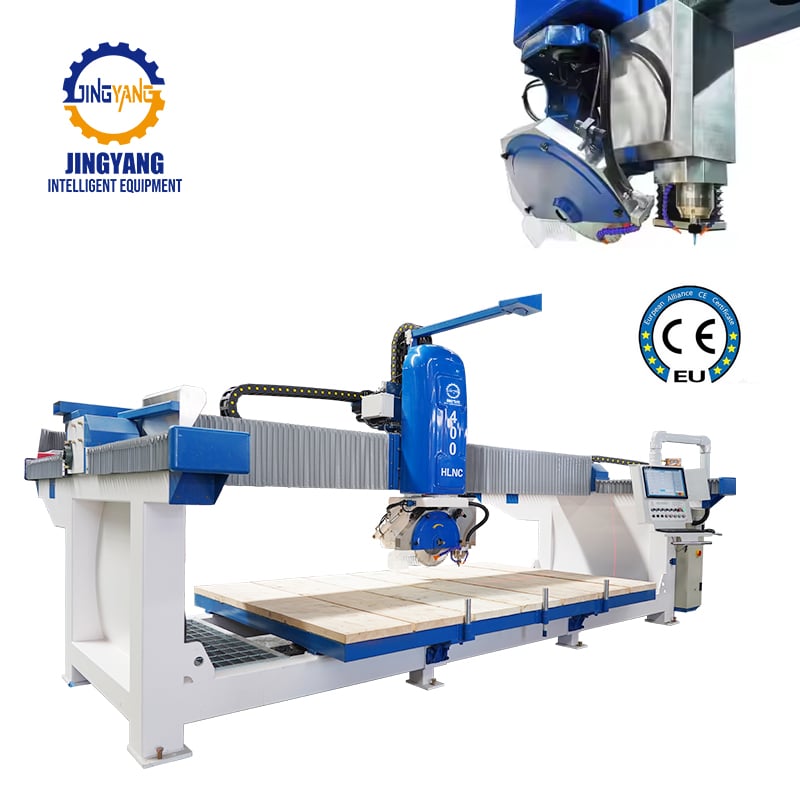
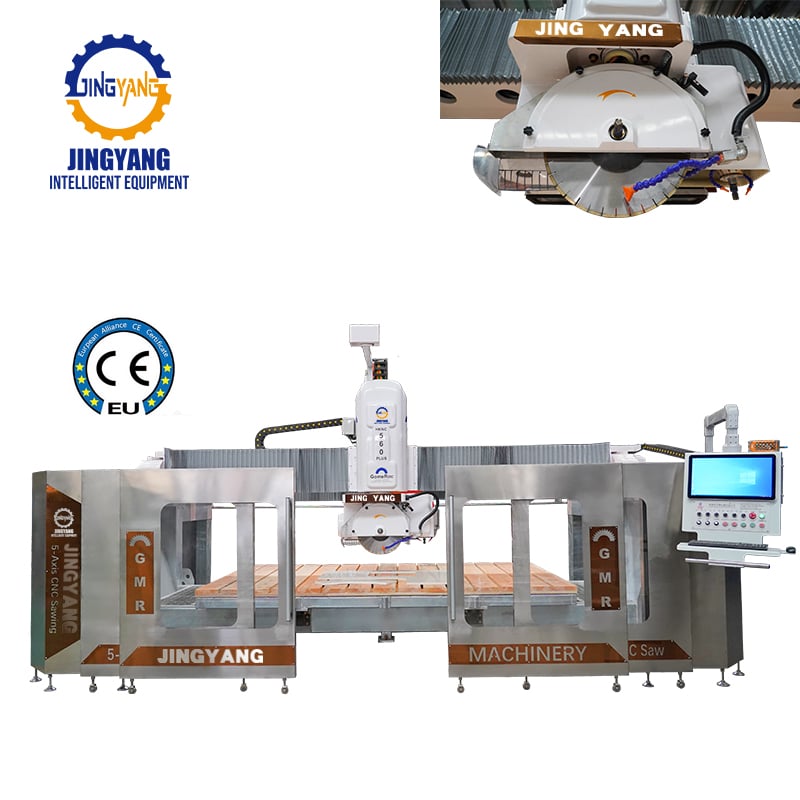
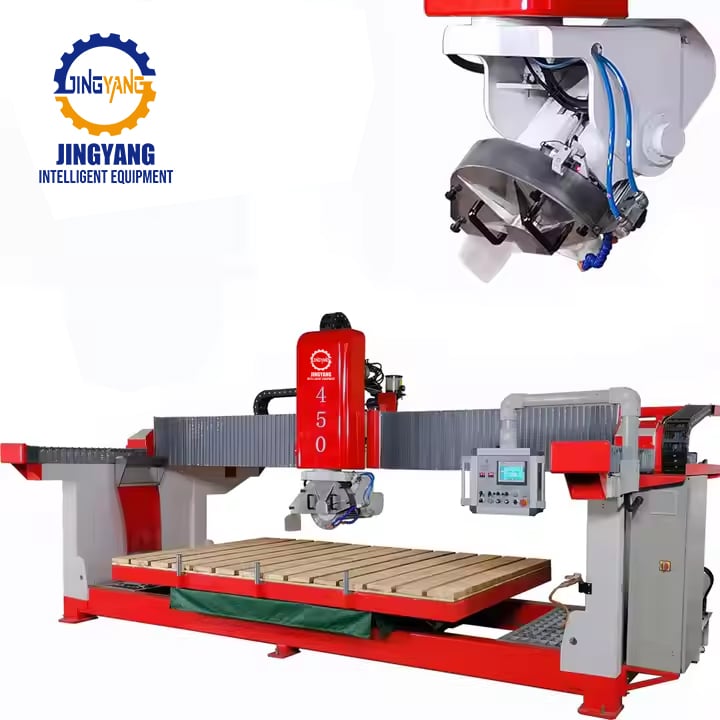
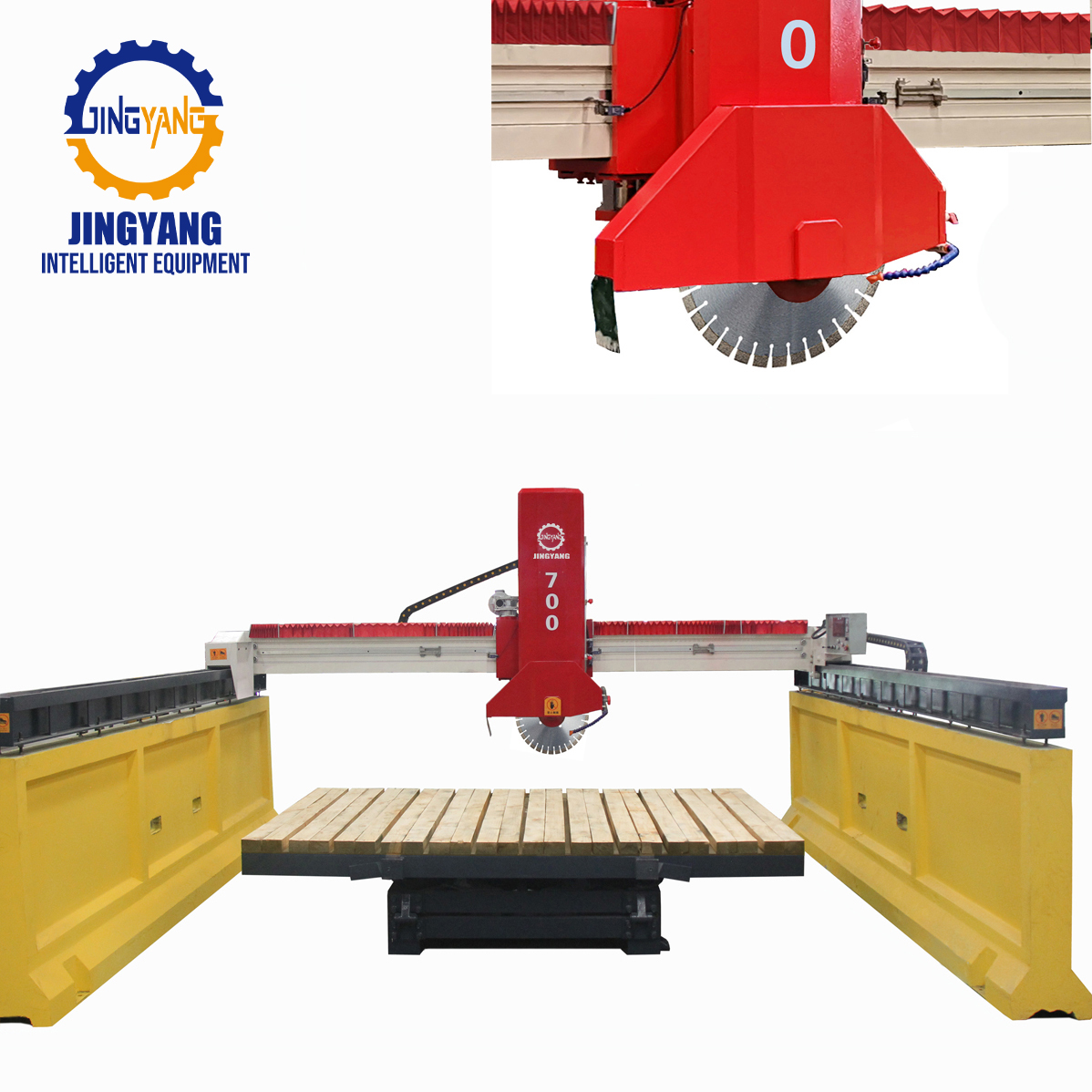
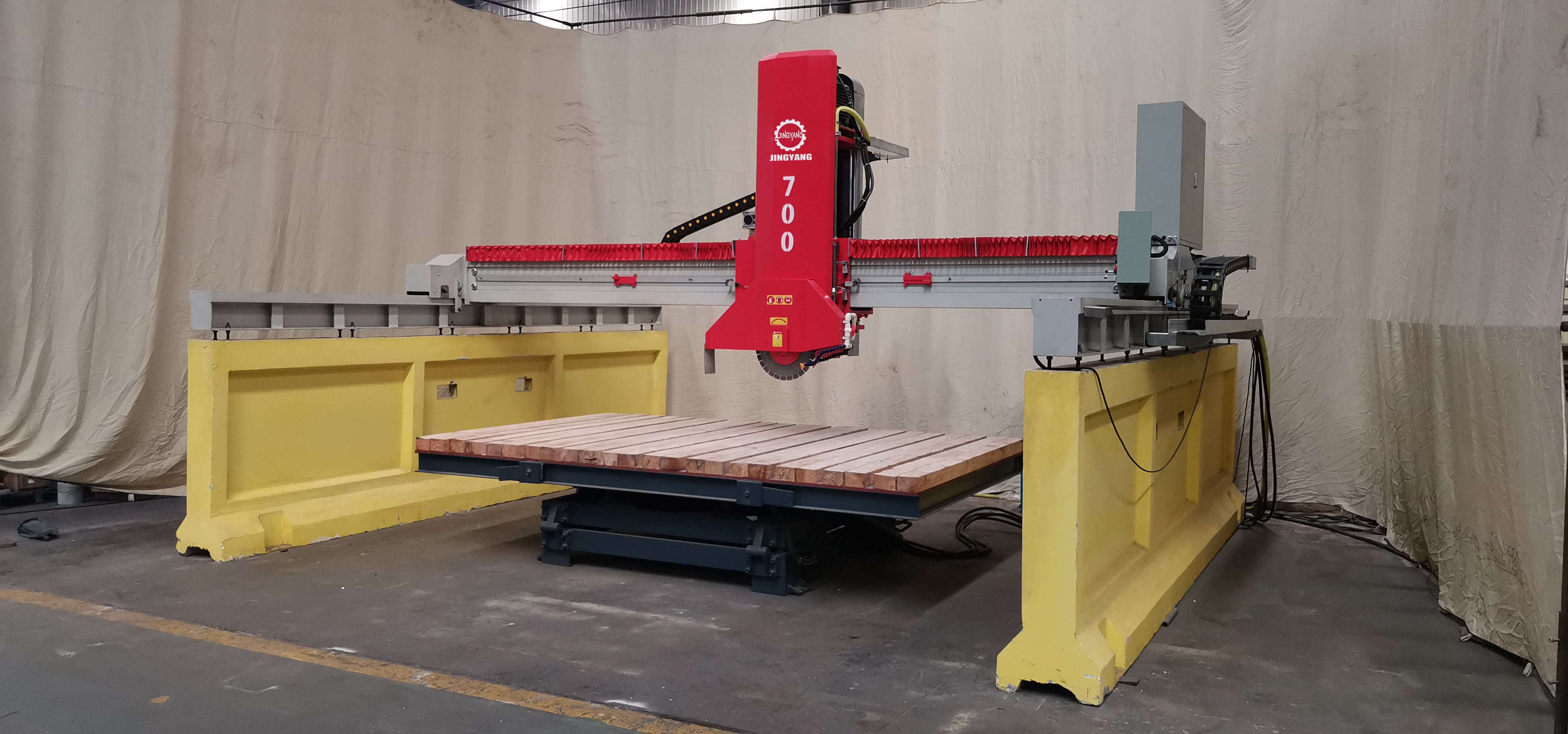
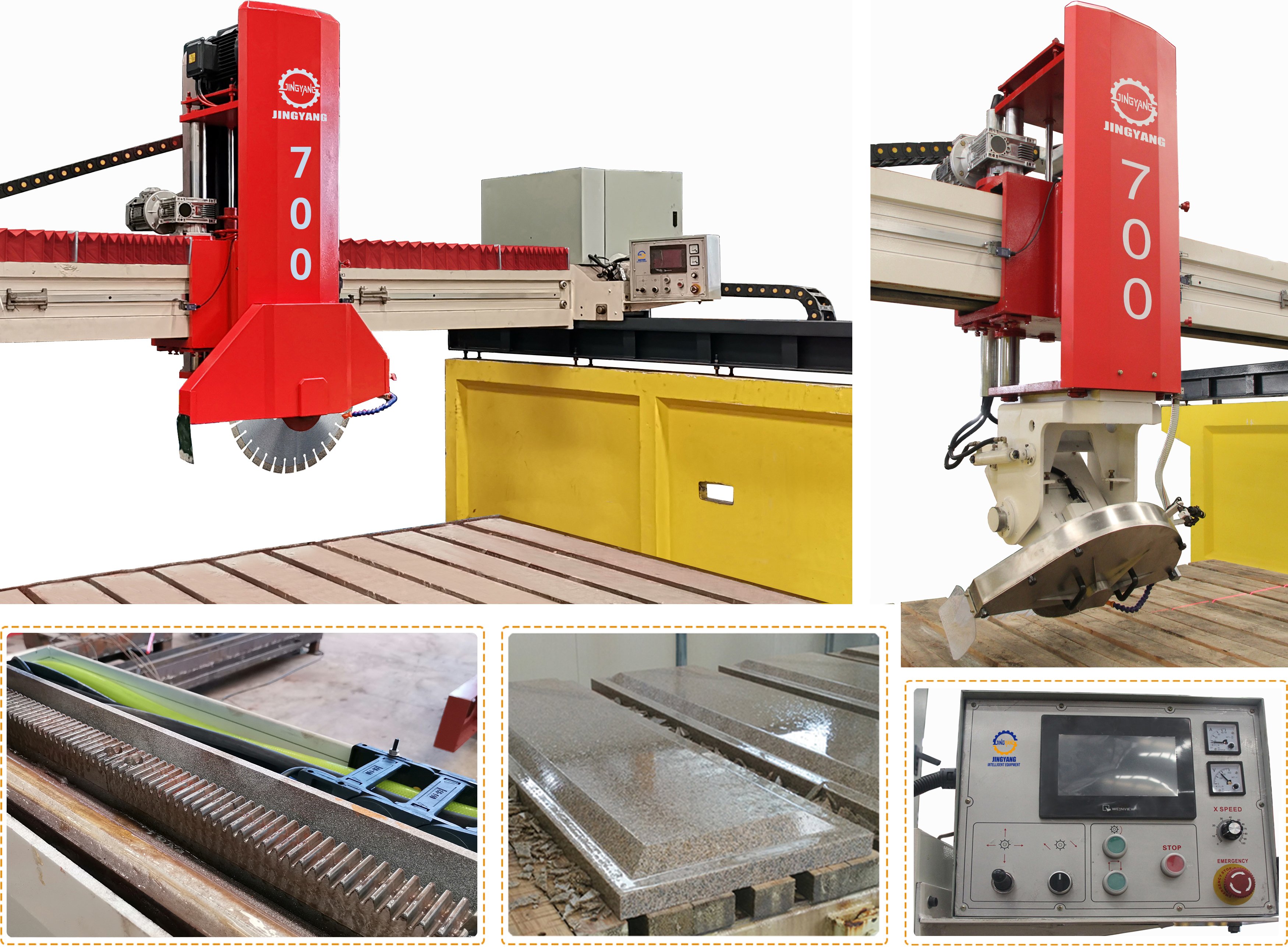
The HLSQ-700 Marble Slab Cutting Machine is designed for downstream stone processing, cutting slabs produced by block cutters into standardized dimensions with stable accuracy and continuous operation.
In conventional slab cutting, dimensional deviations often result from unstable feed motion and insufficient guiding rigidity. Based on principles of motion stability and load balance, the HLSQ-700 adopts an integrated mechanical, electrical, and hydraulic structure, combined with a rigid bridge beam and double-sided oil-immersed sealed guide rails. This design ensures stable linear movement of the blade during cutting and reduces size variation.
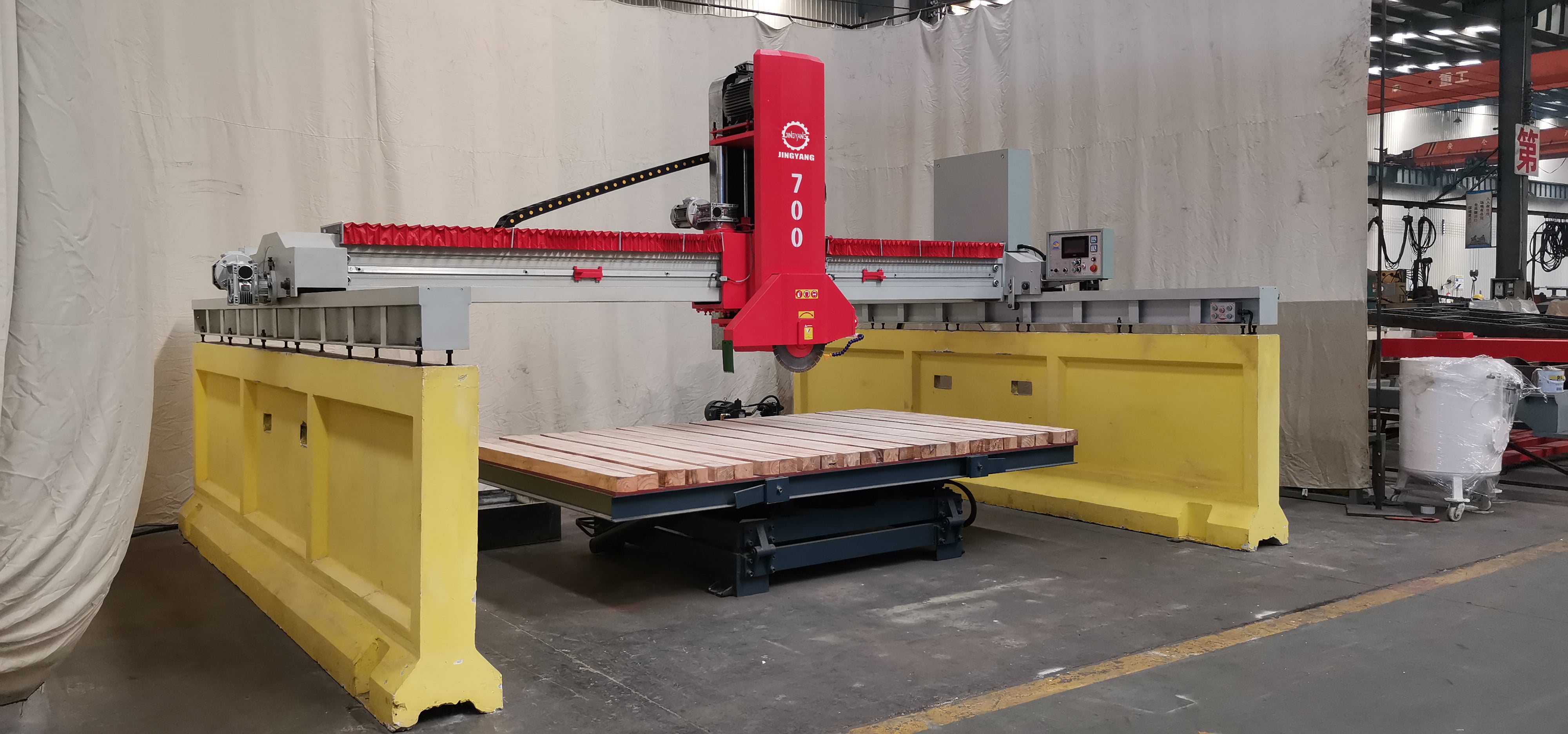
At the control level, a PLC system coordinates feed depth (h) and travel speed (v) with variable-frequency speed regulation, keeping the cutting process within a stable operating range suited to blade speed and material characteristics. Large-format slabs can be processed automatically through one-time parameter setting, improving consistency and operational safety.
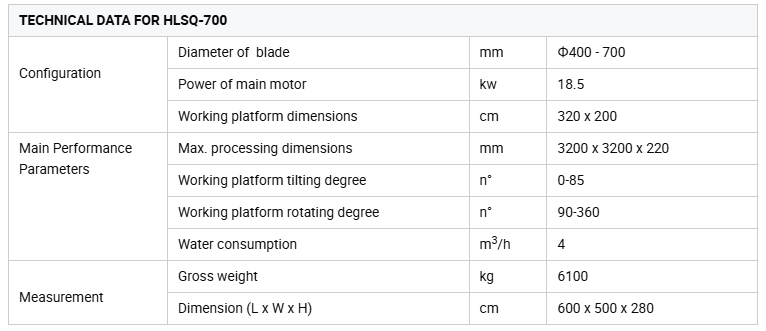
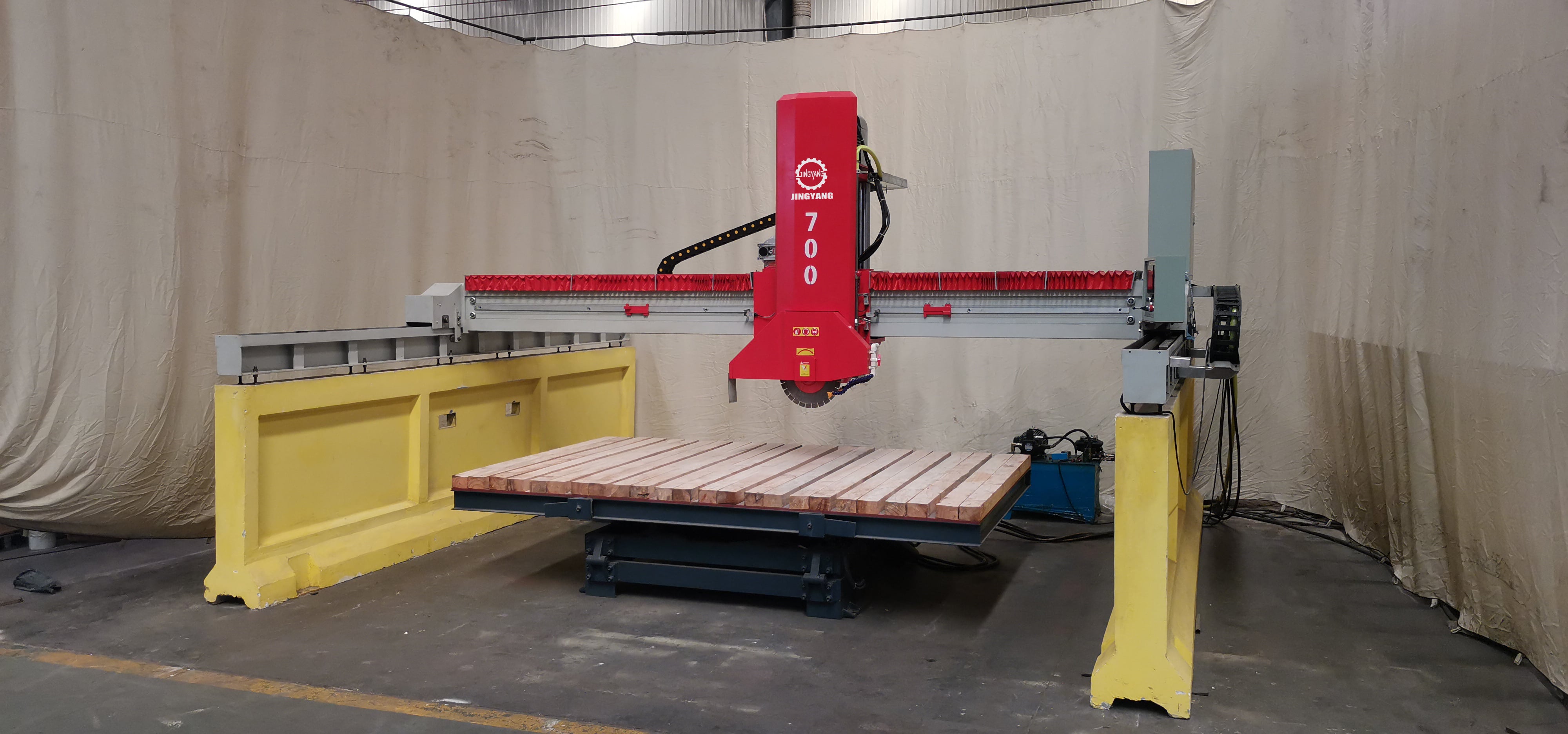
• Model: HLSQ-700(CE certification)
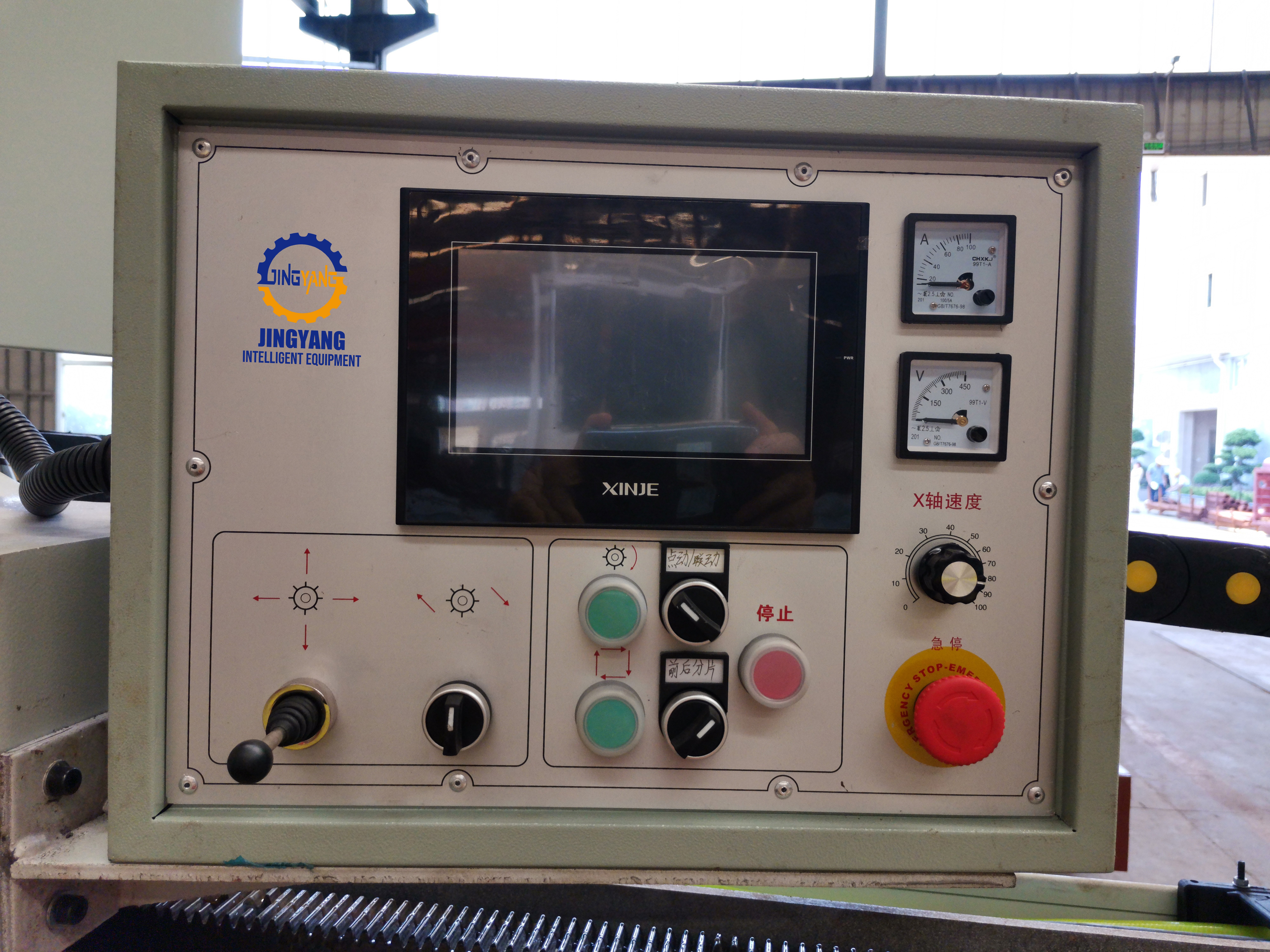
• Control System: Industrial PLC with Touchscreen HMI.
• Positioning: Dual-system: Infrared for bulk slab alignment + Cross-line laser for precise cut-line visualization.
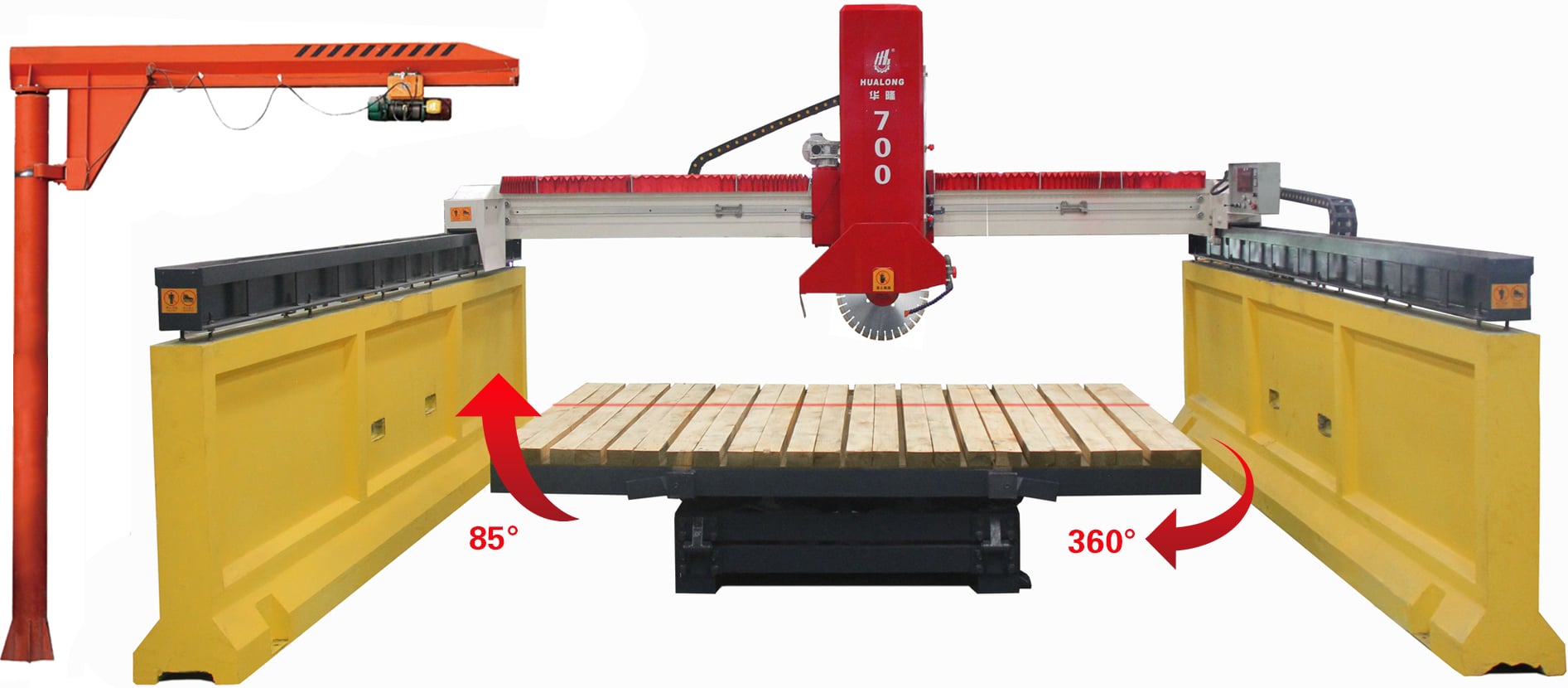
• Mechanical Range: Cutting head tilt: 0-45° (Opt.); Worktable tilt: 0-85°; Worktable rotation: 360° continuous.
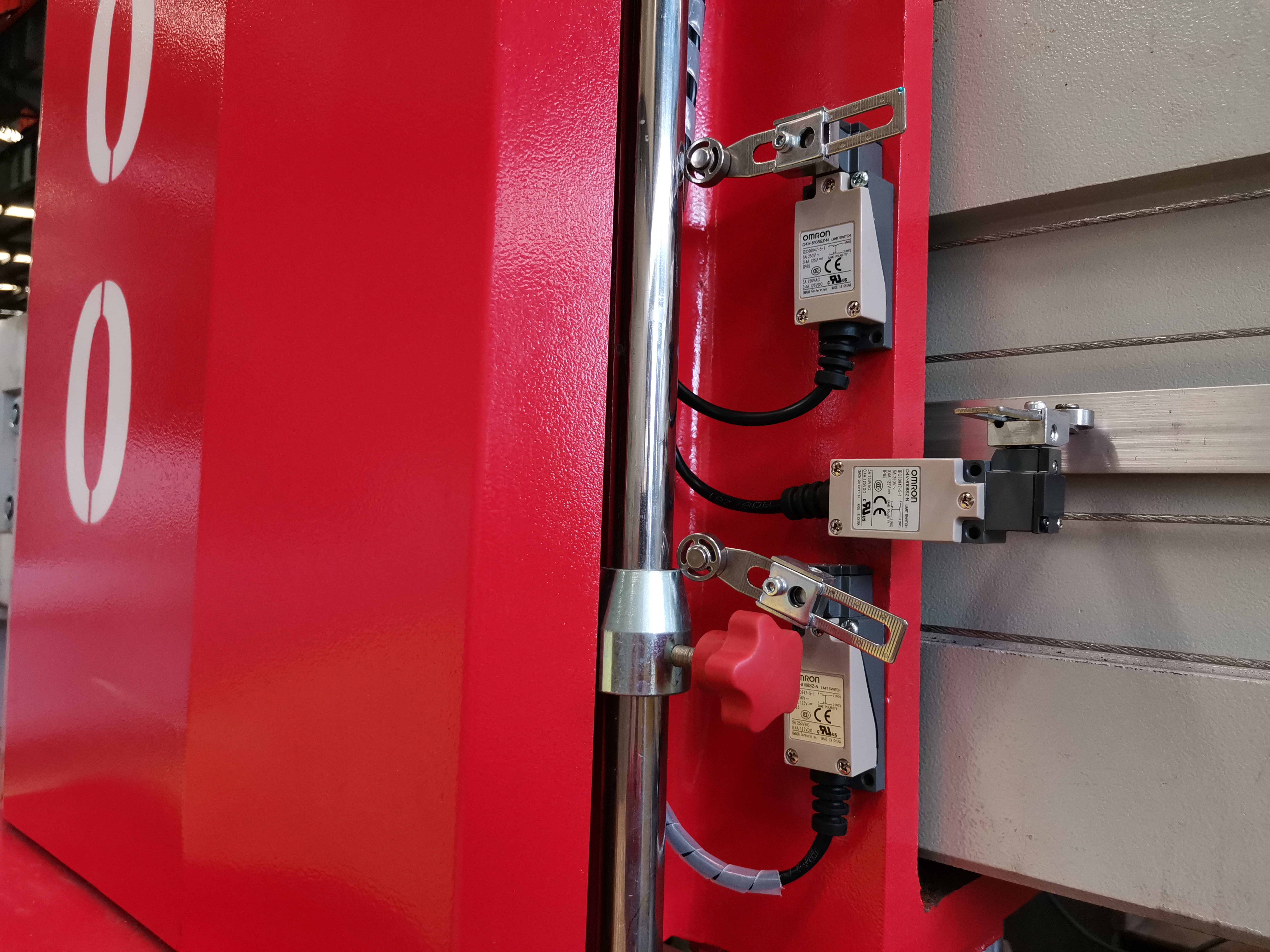
• Motion System: Hardened & ground V-type guideways on X, Y, Z axes; Servo-driven with high-resolution magnetic scale feedback.
• Structural Integrity: Iron-cast crossbeam structure with a capacity for working loads when operating continuously. The crossbeam is made with a universal beam of #14 instead of a box iron structure of #12 for a stronger machine structure when bearing stone loads.
• Key Performance Metric: Achieves cutting positioning accuracy of ±0.5mm and repeatability of ±0.3mm, enabling seamless joint fitting.
• Power & Compatibility: 18.5kW main spindle motor; compatible with diamond blades from 400mm to 700mm in diameter.
With a rational structural layout, the HLSQ-700 is easy to install and maintain, making it suitable for long-term continuous production. It supports cutting granite, marble, cement products, and calcium silicate boards, with blade diameters from Ø400 to Ø700. Operating noise is controlled at ≤90 dBA, with no exhaust emissions during cutting, meeting common environmental and compliance requirements in stone processing.
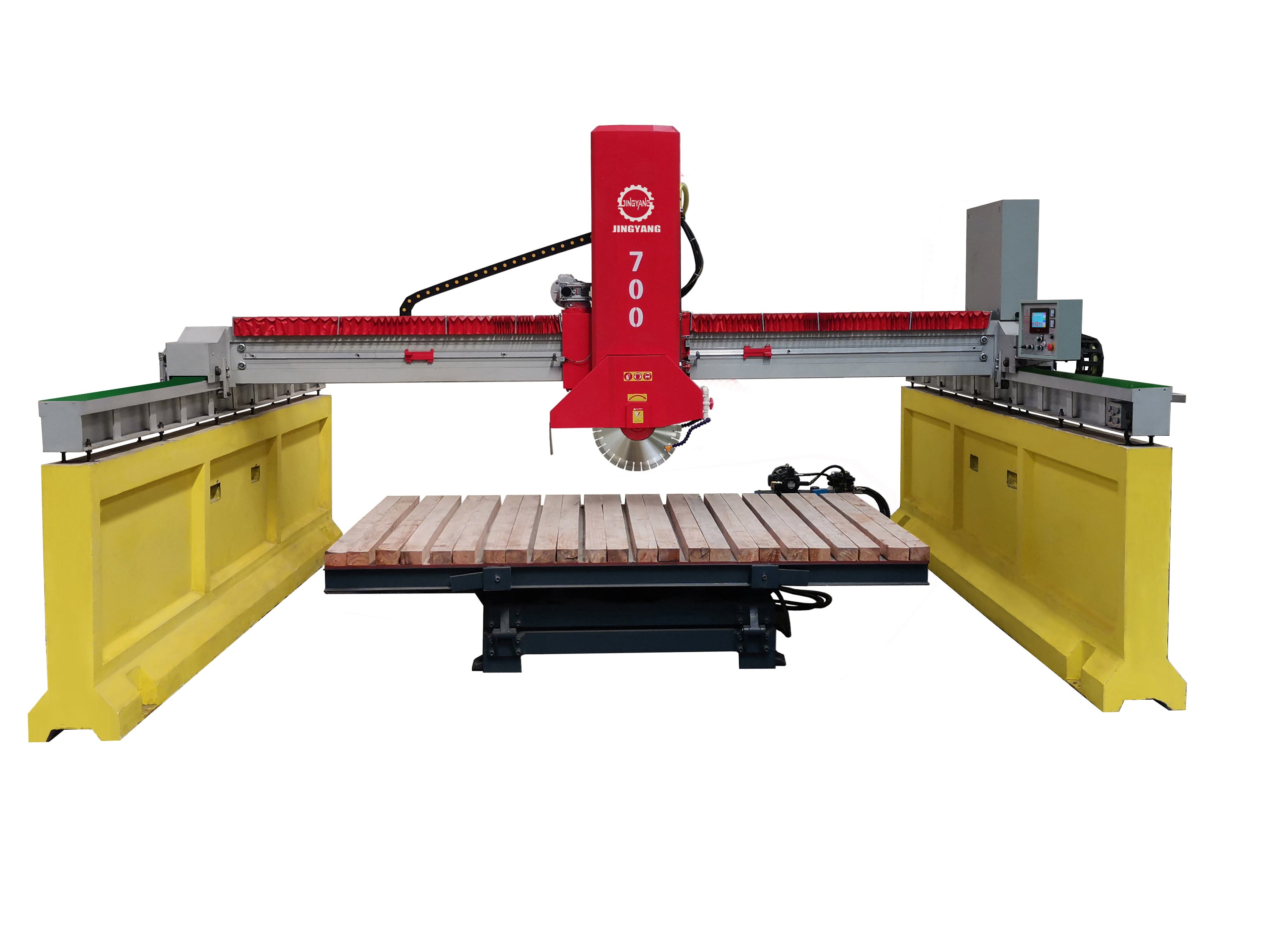
1. High-Efficiency Continuous Slab Cutting
High throughput with predictable cycle time – workshops often have to contend with unpredictable lead times, due to such things as manual parameter entry, intermediate repositioning, and operator skill-level variance, which result in large and irregular auxiliary windows; HLSQ-700 removes such variables by locking cut part recipes into their PLC, using a separate 18.5kW variable-speed drive and a 360-degree rotary table, which with an 85-degree tilting bench, to effectively ruduce multi-step crane-move operations time; it also holds a required feed speed in a closed-loop manner, so that cut times become predictable, at Tcut = L/V and cycle times of Tcycle = Tcut+Taux.HLSQ-700 turns throughput into a repeatable, drive-controlled metric rather than an operator-dependent variable.
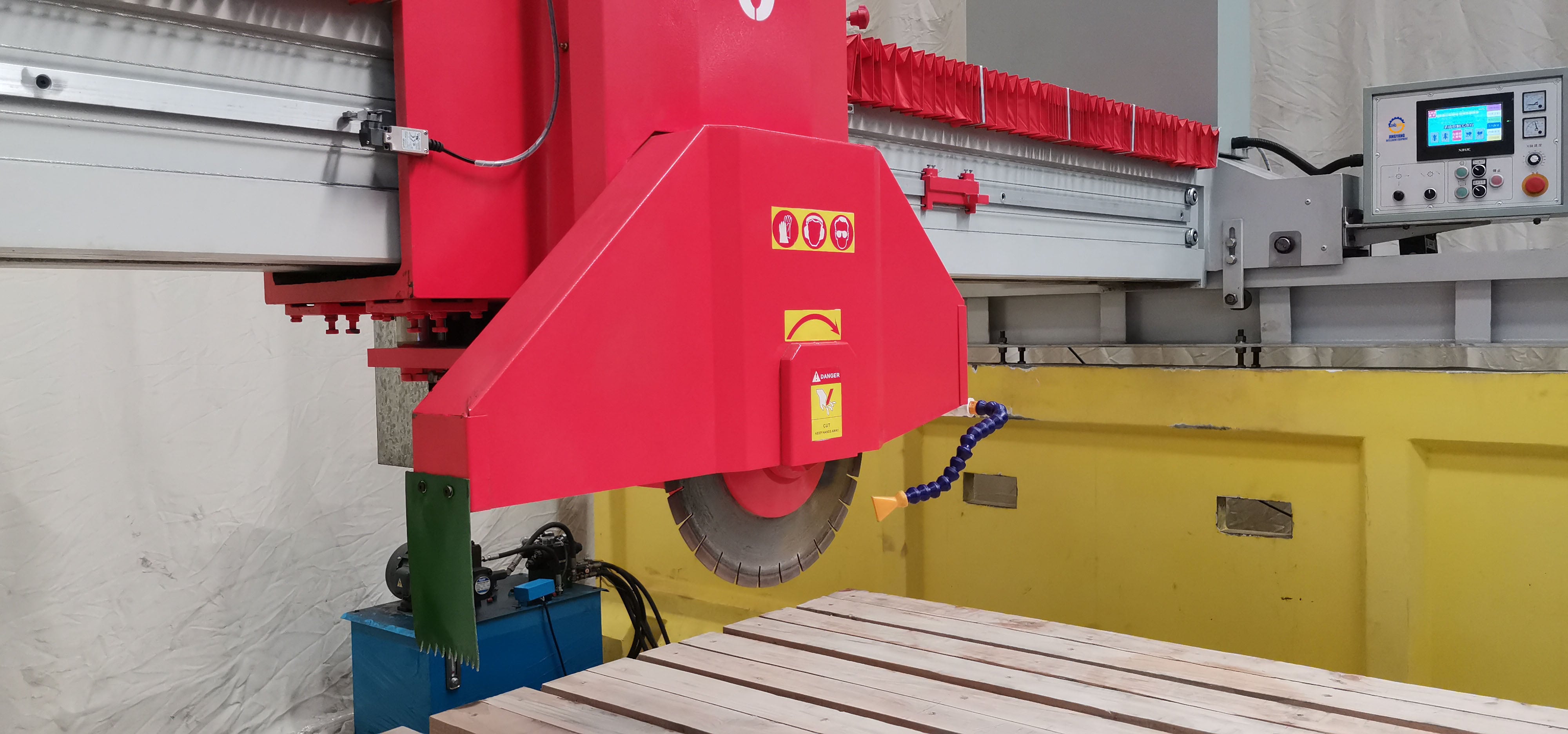
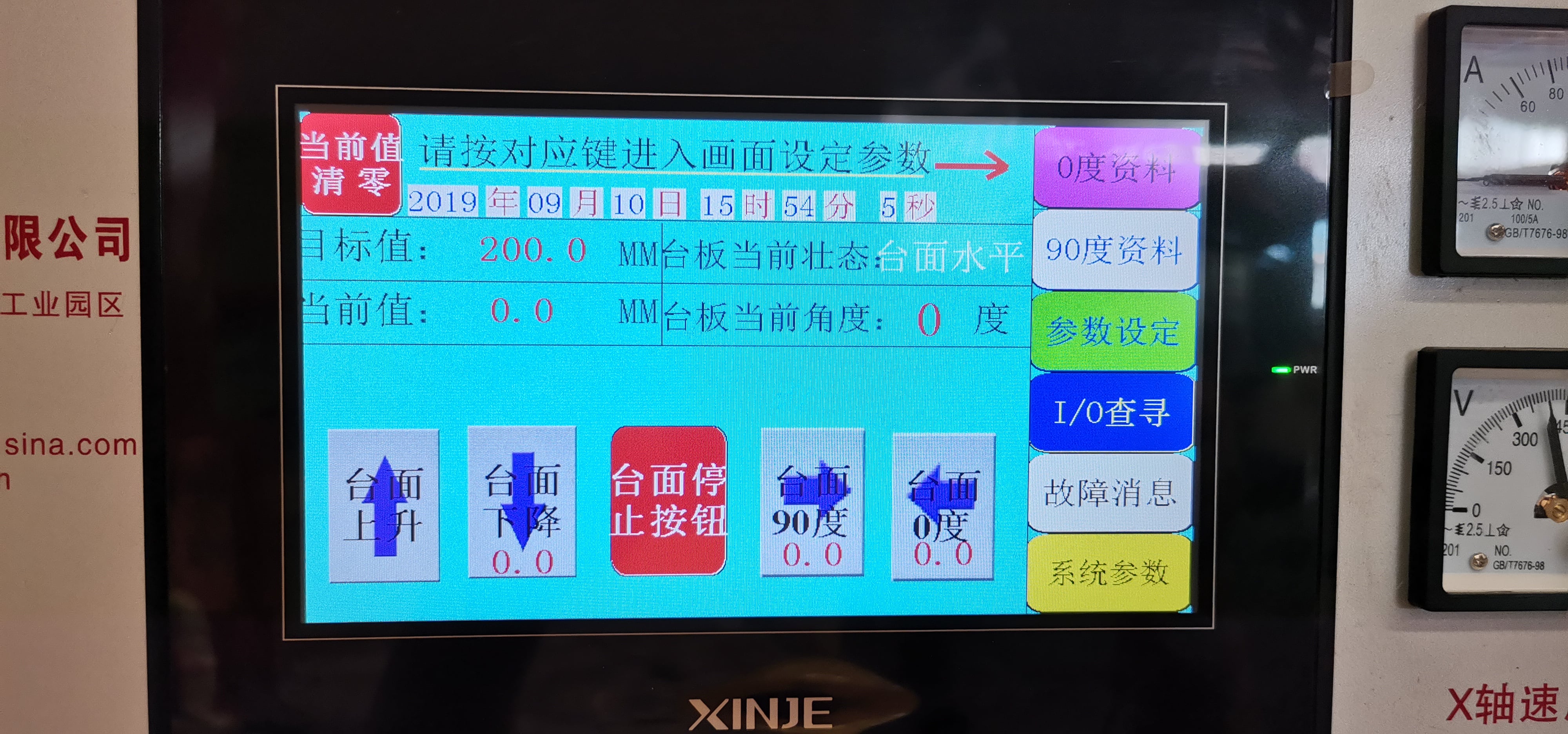
2. Stable Cutting Accuracy to Reduce Rework
HLSQ-700 achieves consistent geometric precision with no doubt, which can result in completed stone panel rejects based on the combination of structural deflection, poor feedback, and misalignment. It addresses three sources of the problem: double-sided oil-immersed V-guides improve the stiffness against bending forces, while the rotary coded limit and the high-resolution magnetic linear scale provide precise closed-loop positioning, at last, the laser projection provides accurate alignment. These errors can be summed up in the mathematical formula, the errors combine as
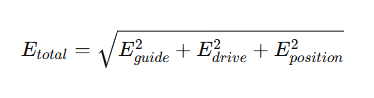
, and by correcting all three sources, the machine provides a reduction in the Overall error Etotal level.
3. Reduced Blade Wear with Stable Kerf Quality
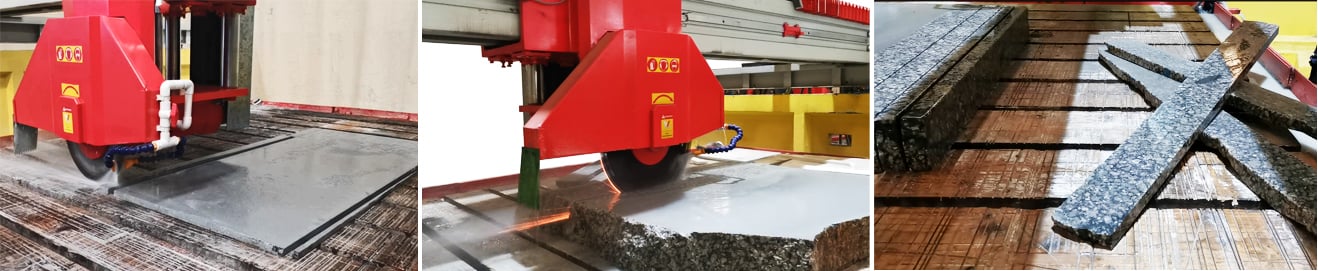
Blade life extension and a stable kerf are often the aims of the workshops that have to change blades very frequently. The two main reasons for these issues are heating up at the kerf and the retention of the abrasive slurry. The HLSQ-700 solves these issues using an engineered coolant circuit that both convects the heat away and removes the slurry ( flow rate of 4 m³/h), as well as with drive logic that synchronizes torque and feed rate so that the cutting power Pcut = F·v is within the blade's best capabilities. Owing to the unit wear being proportional to the inverse of coolant flow rate w ∝ 1/Q, the integrated control of coolant flow rate, power, and feed rate can suppress the blade thermal and abrasive components of wear.
4. Faster & Safer Slab Handling
In stone slab facilities, the typical repeated crane cycle and multi-operation holding positions are both common bottlenecks and a safety exposure. The HLSQ-700 represents a game-changer in this respect, due to its tilting bench, which can tilt as high as 85°, as well as its portable top surface and its operator-friendly interfaces. The outcome enables you to eliminate several lifting cycles in favor of one-step loading or direct indexing. This results in reduced auxiliary time (ΔT = Tmanual - Ttilt), per-part cycle time, interruptions in handling cycle time, and overall opportunities for accidents.
5. Higher First-Pass Yield through Accurate Positioning
Faster setup time, as well as First Pass Yield improvements, are realized through addressing the fundamental error—initial misalignment.
This is achieved through Laser calibration with the HLSQ-700 via a magnetic linear feedback loop from a PLC for continuous positioning correction. Such a system decreases the value of the error ε as well as enhances the probability of passing with a batch, which is expressed as P(pass) = P(|ε|≤Ttol).
The practical outcome is fewer manual adjustments always needed per batch, and a higher, more consistent first-time yield, compared to systems that rely on manual mark or low-resolution stops.
6. Higher Availability with Integrated System Design
Unintended downtime is typically caused by fragile interfaces, difficult-to-access components, and atypical controls. The HLSQ-700 deals with these issues by modularizing mechanical, electrical, and hydraulic components, driving standardization, and moving controls to PLC logic.
These improvements increase mean time between failures and decrease mean time to repair, increasing availability (Availability = MTBF / (MTBF + MTTR)). So, business impact is evident, as there will be less unscheduled downtime, better troubleshooting assistance, and less total lifetime cost of maintenance for such machines constructed out of random or illogically interfaced components.
Q: How often should I check fasteners on the HLSQ-700 frame and drive parts, and what if they are loose?
A: Check the fasteners of the machine rack and transmission parts and fasten them every two months.
Q: How often should the electrical control system be maintained?
A: Check the electrical control system and conduct maintenance every half month.
Q: What grease and intervals are specified for open gears and the gearbox?
A: Open gear meshing adopts artificial periodic lubrication, with Grease Micro 2# (lithium grease), and the lubrication period is half a month or lubricate it when there is no lubrication in the gear meshing. The gearbox adopts artificial periodic lubrication, with Grease Micro 2# (lithium grease), and the lubrication period is 12 months or lubricate it when there is no grease in the gearbox.